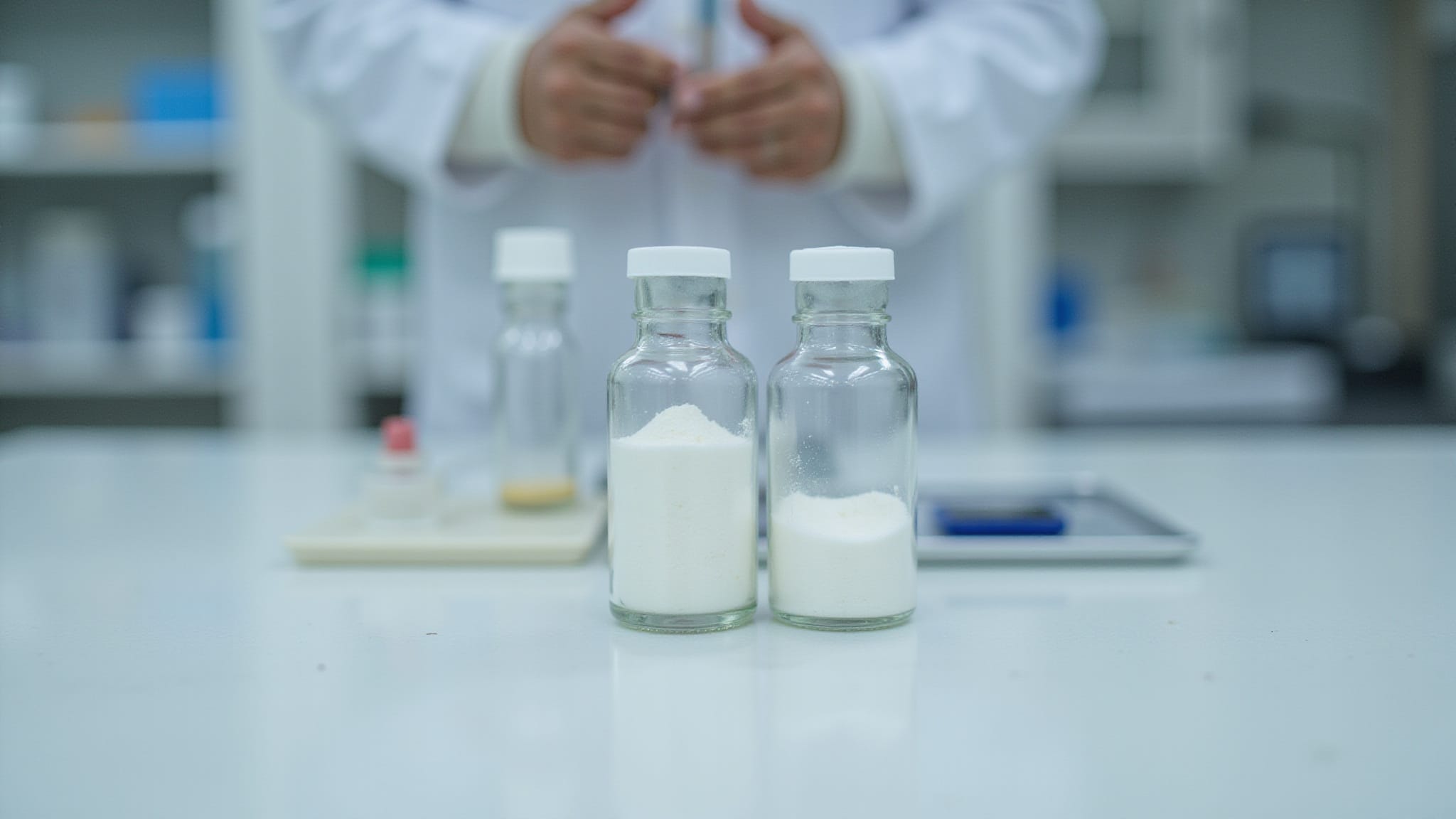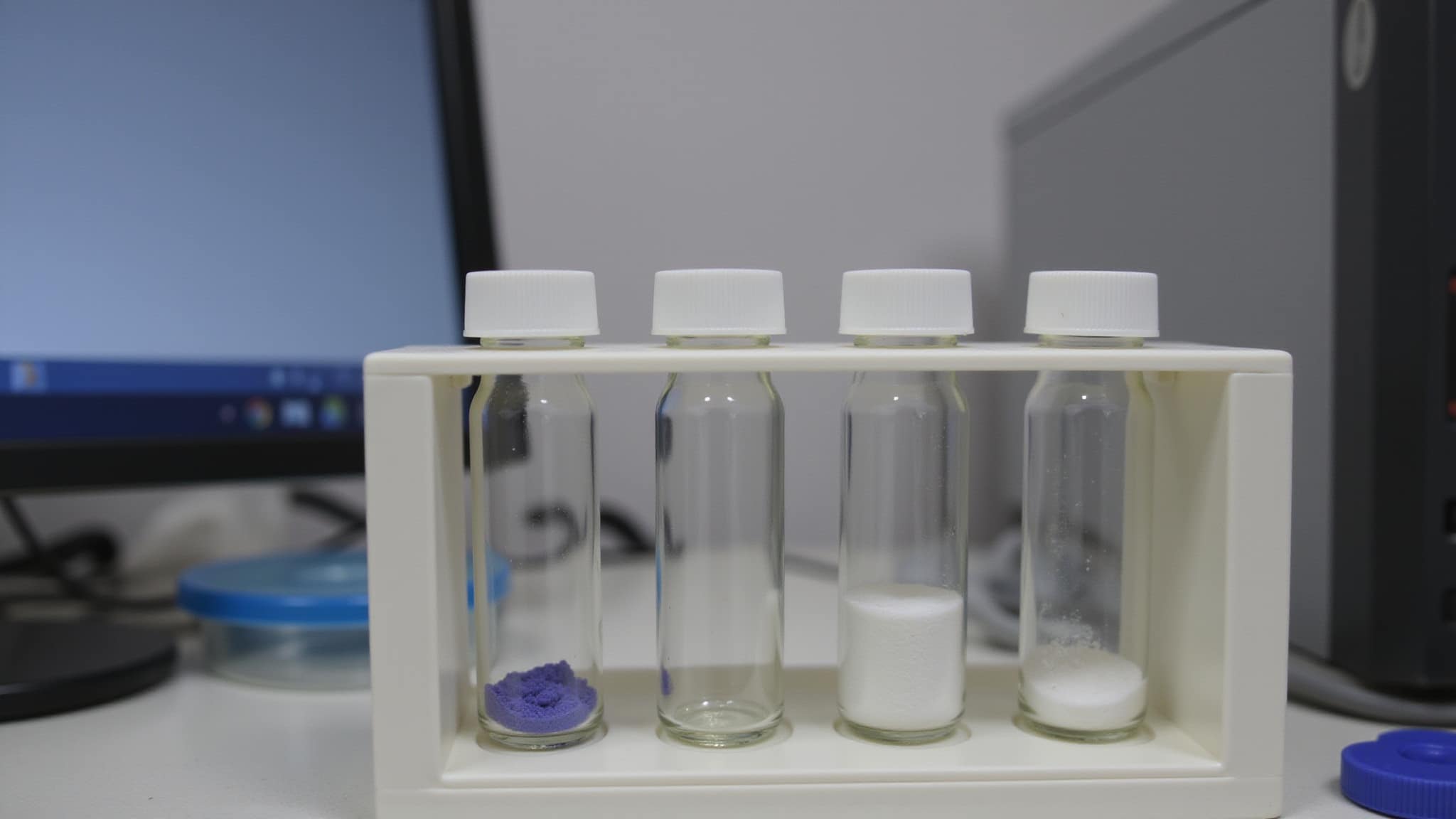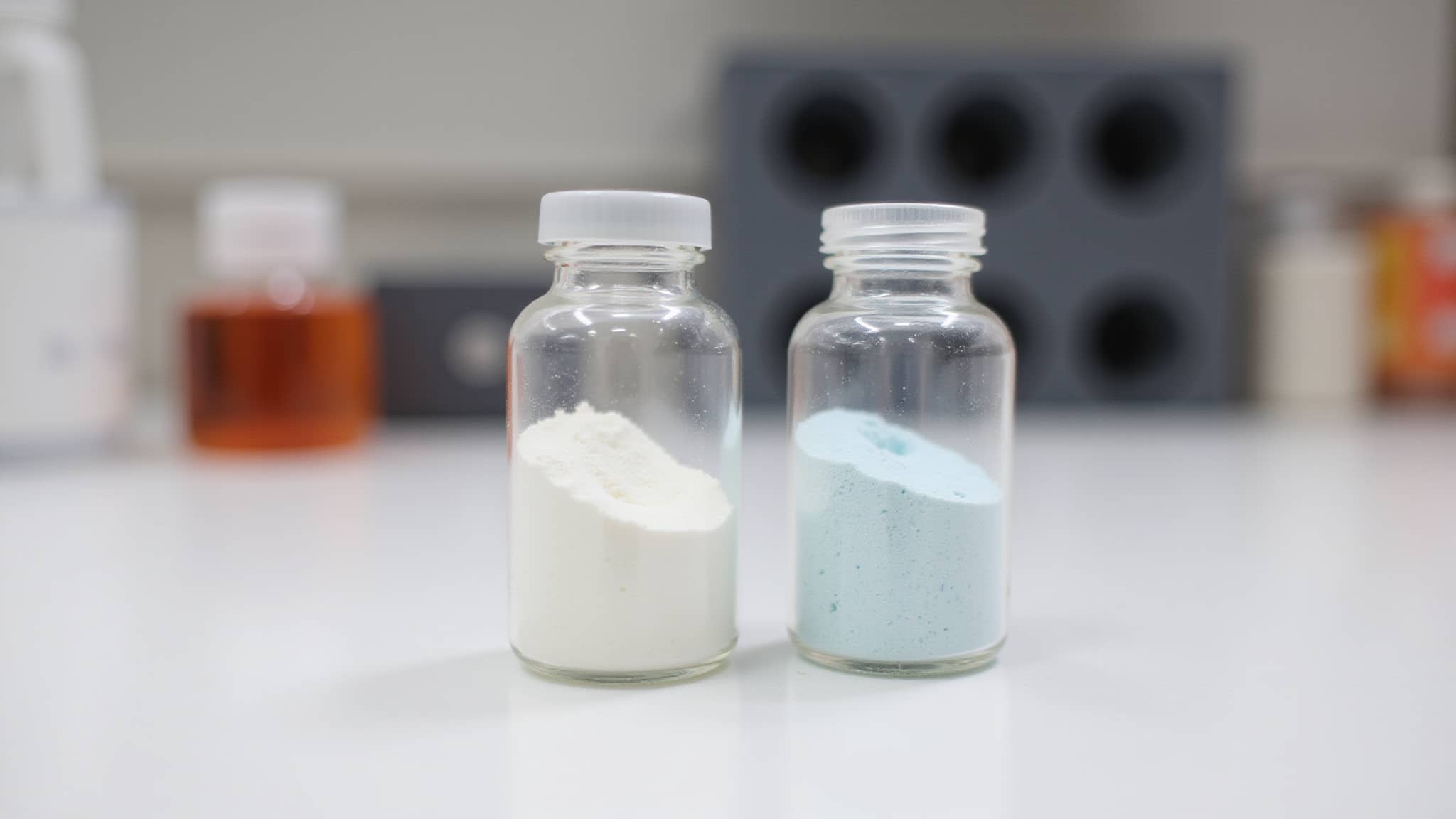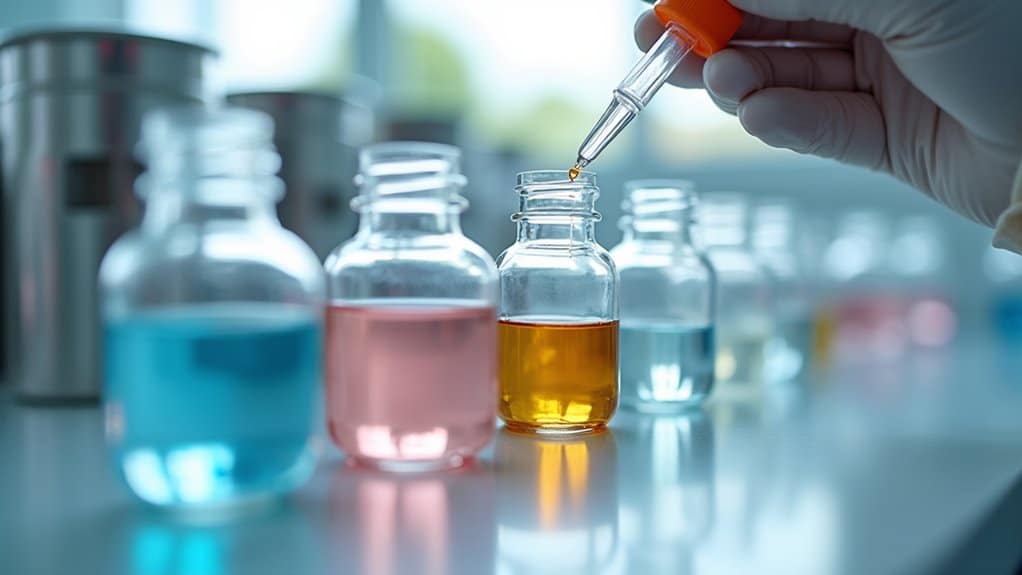
TB-500 vial reconstitution in laboratory research involves preparing the lyophilized peptide under aseptic conditions, adding the specified research diluent, and verifying the final solution before storage. Reconstituted peptide solutions are commonly stored refrigerated at 2, 8°C, although stability and allowable storage time depend on the specific formulation, diluent, concentration, and supplier data. Some bacteriostatic-water preparations use a 28-day in-use reference period, but that should not be assumed to represent TB-500 stability itself. The protocol below focuses on laboratory handling, solution inspection, labeling, and storage controls for research use only.
Key Takeaways
- Reconstitute lyophilized TB-500 only when use is planned, to reduce hydrolysis, contamination, and potency loss.
- Use bacteriostatic water with 0.9% benzyl alcohol for refrigerated multi-week storage after repeated vial punctures.
- Equilibrate the vial to room temperature for 15 to 20 minutes before reconstitution to prevent condensation and clumping.
- Inject measured diluent slowly along the vial wall, then gently roll; do not vortex or shake aggressively.
- Verify a clear, particle-free solution, label concentration and date, and store refrigerated at 2 to 8°C for about 28 to 30 days.
TB-500 Vial Reconstitution: Lab Protocol
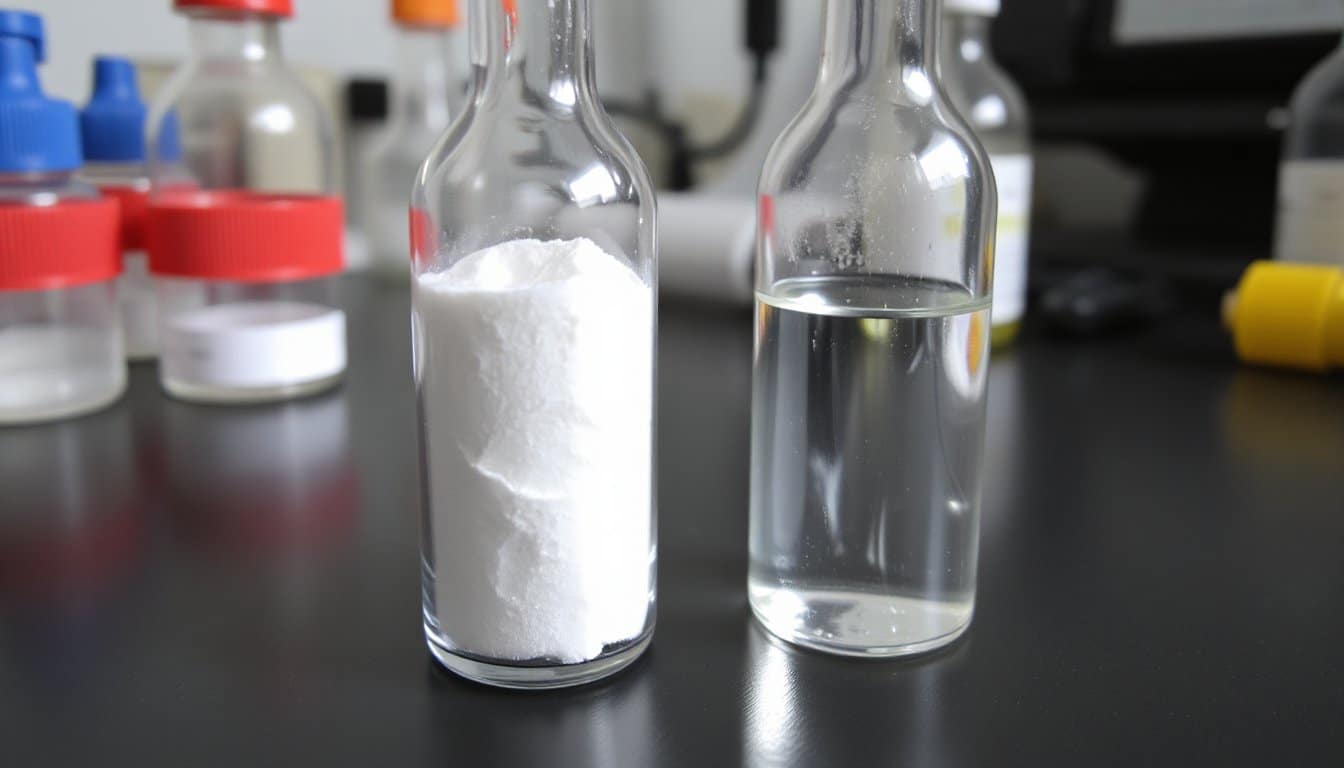
TB-500 reconstitution begins by bringing the lyophilized vial to room temperature for 15 to 20 minutes, which helps prevent condensation and powder clumping. Aseptic conditions are set up in a laminar flow hood, and the TB-500 and bacteriostatic water stoppers are swabbed with 70% isopropanol. Neither stopper is removed. Bacteriostatic water with 0.9% benzyl alcohol is used as the diluent, and solvent volume is calculated from peptide mass divided by target concentration. The measured diluent is drawn into a sterile syringe, air is expelled, and the needle is inserted at a slight angle toward the glass wall. Injecting slowly along the inner wall limits turbulence, coring, and foam. The vial is rolled gently until clear. This protocol supports controlled peptide reconstitution, sterility, and consistent concentration for research workflows.
What reconstitution is and when it is needed
Reconstitution is the controlled conversion of a lyophilized peptide cake into a measured liquid solution for research handling, and it is needed when TB-500 arrives as dry lyophilized material. A defined solvent volume restores mobility, distributes peptide molecules evenly, and creates a calculable concentration for downstream protocol steps. Lyophilized peptide stability is critical for maintaining the integrity of the peptide during storage and transportation. Ensuring that the peptides remain stable until reconstitution can greatly impact the outcomes of experiments.
Reconstitution is required because the dry format improves shelf stability but is not directly measurable as a liquid aliquot. It is not performed until use is planned, since dissolved peptides face higher risks of hydrolysis, microbial contamination, and potency loss over time. The step is preparation, not activation: it enables accurate sampling while preserving chemical integrity. When considering how to store nad+ powder, it is important to keep it in a cool, dry place to maintain its stability.
Diluents appropriate for the peptide
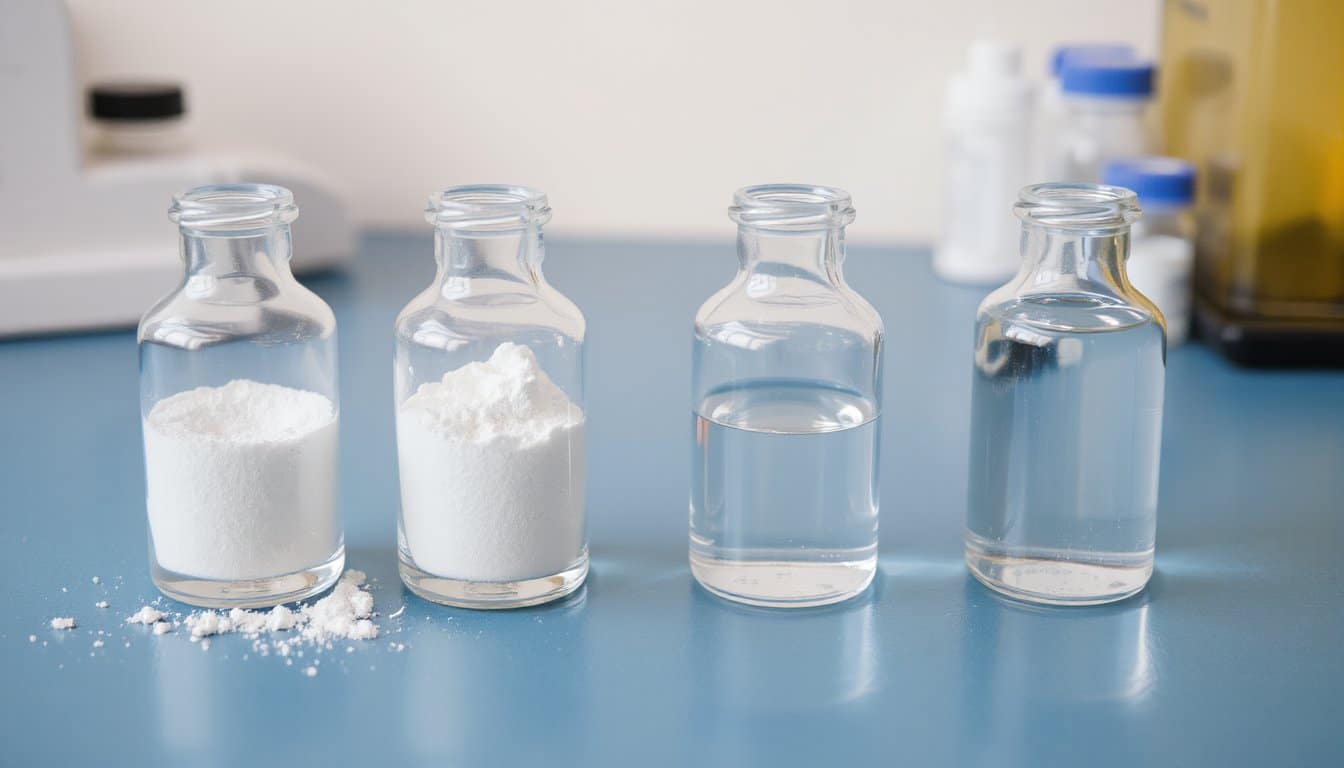
For TB 500 10mg vial reconstitution, bacteriostatic water is commonly referenced as a diluent in research settings because benzyl alcohol helps limit microbial growth after vial puncture. Since TB-500 is not approved for human use, reconstitution and storage should follow the supplier’s validated research protocol and institutional safety requirements rather than generalized dosing instructions. When evaluating the efficacy of TB-500 solubility testing methods, researchers must ensure that the chosen solvent does not compromise the integrity of the peptide.
Sterile water for injection is also appropriate for single-use or short-term handling, but it lacks an antimicrobial preservative, so contamination risk rises after access. Saline is avoided unless the assay specifically validates ionic strength and excipient effects, because salts can alter solubility, aggregation behavior, or downstream readouts. Diluent choice is matched to sterility, storage duration, analytical compatibility, and institutional SOPs.
How the peptide is prepared for experiments
Preparation begins by letting the lyophilized TB-500 vial equilibrate to room temperature for 15 to 20 minutes, then handling all materials under aseptic conditions, ideally in a laminar flow hood.
- Leave vial stoppers in place. Swab the TB-500 and diluent stoppers with 70% isopropanol and let them dry completely.
- Calculate solvent volume as peptide mass ÷ target concentration = required milliliters, matching the concentration to the experimental concentration plan.
- Draw the calculated bacteriostatic water volume into a sterile syringe, expel air bubbles, and keep the needle sterile before puncture.
- Insert the needle at a slight angle toward the glass wall, then add diluent slowly along the vial wall to wet the cake evenly and minimize foam-generating turbulence before gentle dissolution.
Reconstitution conditions that optimize peptide recovery
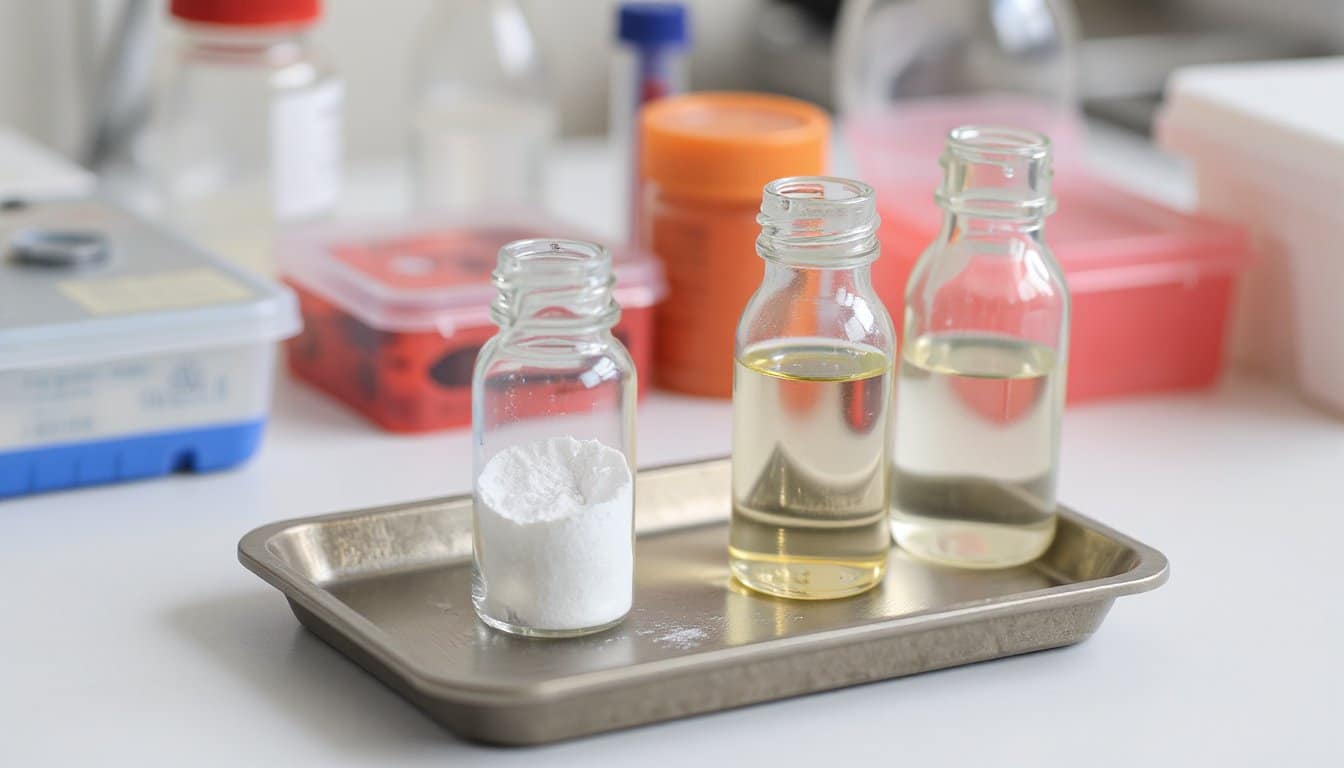
Room-temperature equilibration, slow wall-directed diluent addition, and gentle rolling optimize peptide recovery by reducing condensation, shear, turbulence, and adsorption. Letting the vial equilibrate to room temperature limits condensation-driven clumping. Injecting bacteriostatic water slowly along the glass wall, not onto the cake, advances hydration by capillary wetting instead of impact shear. Gentle rolling rather than vortexing reduces air-liquid interfaces where peptides can adsorb or aggregate.
| Condition | Mechanism | Recovery effect |
|---|---|---|
| Room-temperature vial | Prevents condensation | Less clumping |
| Wall-directed diluent | Lowers turbulence | Better wetting |
| Gentle rolling | Limits shear | Fewer aggregates |
Diluent volume is used accurately, since excess dilution reduces concentration precision, while too little solvent slows diffusion through the cake and traps peptide in partially hydrated solids.
How successful reconstitution is verified
Reconstitution is verified through visual, physical, and documentation checks before aliquoting or storage.
- Check clarity: Hold the vial against a neutral background under adequate light. The solution should appear clear, colorless, or very pale yellow.
- Check particles: Rotate the vial slowly and look for fibers, flakes, aggregates, or suspended material. No visible particulate matter should be present.
- Check persistence: If mild haze remains, let the vial stand at room temperature and recheck after 5 to 10 minutes. Persistent cloudiness indicates incomplete dissolution or compromised quality.
- Check traceability: Verify the vial label matches the peptide mass, diluent volume, calculated concentration, and reconstitution date. This preserves concentration accuracy, storage control, and study reproducibility.
Mistakes to avoid during reconstitution
Several mistakes compromise concentration, sterility, solubility, and peptide integrity. A cold vial should not be reconstituted, because condensation can wet powder unevenly and promote clumping. Alcohol swabbing should not be skipped and stoppers should not be removed, since each breach increases microbial entry risk. The wrong diluent or a guessed volume should be avoided; solvent is calculated from peptide mass and target mg/mL. Understanding how to reconstitute nasal peptides is crucial for maintaining their efficacy. Proper technique ensures that the peptides are dissolved evenly, preserving their structural integrity.
Diluent is not injected straight into the powder cake. The needle is aimed toward the glass wall and solvent is added slowly to limit shear, foaming, and incomplete wetting. Shaking, vortexing, and high-speed mixing are avoided, since gentle rolling protects molecular structure. Cloudiness, particles, or discoloration are not ignored; transient haze is allowed to settle and then rechecked. Reconstituted TB-500 is not frozen, stored warm, exposed to light, or kept beyond 28 to 30 days.
Conclusion
A sound TB-500 reconstitution protocol treats every step as a control point: room-temperature equilibration, aseptic stopper handling, calculated diluent volume, slow wall-directed addition, gentle rolling, and a documented clarity and traceability check before storage. Each control targets a specific failure mode, from condensation-driven clumping to shear-induced aggregation to contamination after repeated punctures. Followed consistently, it produces a clear, accurately labeled solution held reliably at 2 to 8°C within a bounded working window.
The protocol can only preserve the quality of what starts in the vial. Variable purity, inconsistent salt form, or a poorly formed lyophilized cake introduce clumping and recovery problems that careful technique cannot fully correct, and reproducibility across preparations depends on consistent starting material and a reliable diluent. Sourcing research-grade TB-500 and compatible bacteriostatic water of verified quality removes a major source of that variability and keeps prepared solutions consistent from vial to vial.
Shop Lab-Verified TB-500 at Holas Today
When your research calls for TB-500 with verified quality, secure lyophilized packaging, and reliable stability, Holas delivers exactly what your lab requires. Each batch of our TB-500 peptide is third-party tested for purity and consistency, prepared under laboratory-grade standards, and shipped with care. Browse our shop or contact us to source the right peptides for your work.
Frequently Asked Questions
How is the diluent volume calculated for a given target concentration?
The volume follows peptide mass divided by target concentration, so a 10 mg vial reconstituted to 5 mg/mL takes 2 mL. Working from mass and target concentration rather than a fixed volume keeps the final concentration calculable and reproducible across vials. Recording the mass, volume, and resulting concentration on the label preserves that traceability.
What causes coring, and why does it matter during reconstitution?
Coring occurs when the needle punches out a fragment of the rubber stopper, which can drop into the vial and introduce particulate contamination. Inserting the needle at a slight angle rather than straight down reduces the chance of it happening. Because coring adds visible particles, it can also confound the clarity check used to confirm successful dissolution.
Why is a laminar flow hood recommended rather than an open bench?
A laminar flow hood provides a filtered, unidirectional airflow that lowers the risk of airborne contamination during the open steps of reconstitution. Since bacteriostatic water only suppresses growth rather than sterilizing, reducing initial contamination at the preparation stage matters. Combining hood technique with stopper swabbing and intact stoppers gives layered protection for a multi-week refrigerated solution.
How does this reconstitution protocol differ from solubility testing?
Reconstitution is the preparation step that produces a measured, sterile solution at a target concentration, while solubility testing is the separate evaluation of whether and how completely the peptide dissolves under defined conditions. The protocol here focuses on aseptic technique, volume calculation, and verification; solubility testing adds chromatographic confirmation to distinguish dissolution from degradation. The two are complementary parts of sound peptide handling.
What is the reason for the 28 to 30 day refrigerated limit?
Once in solution, a peptide is more exposed to hydrolysis and, despite the preservative, gradual microbial and stability risk over weeks. Bacteriostatic water’s benzyl alcohol slows microbial growth but does not halt chemical degradation, so a bounded working window keeps the material within a reliable quality range. Labeling the reconstitution date is what makes that limit enforceable in practice.