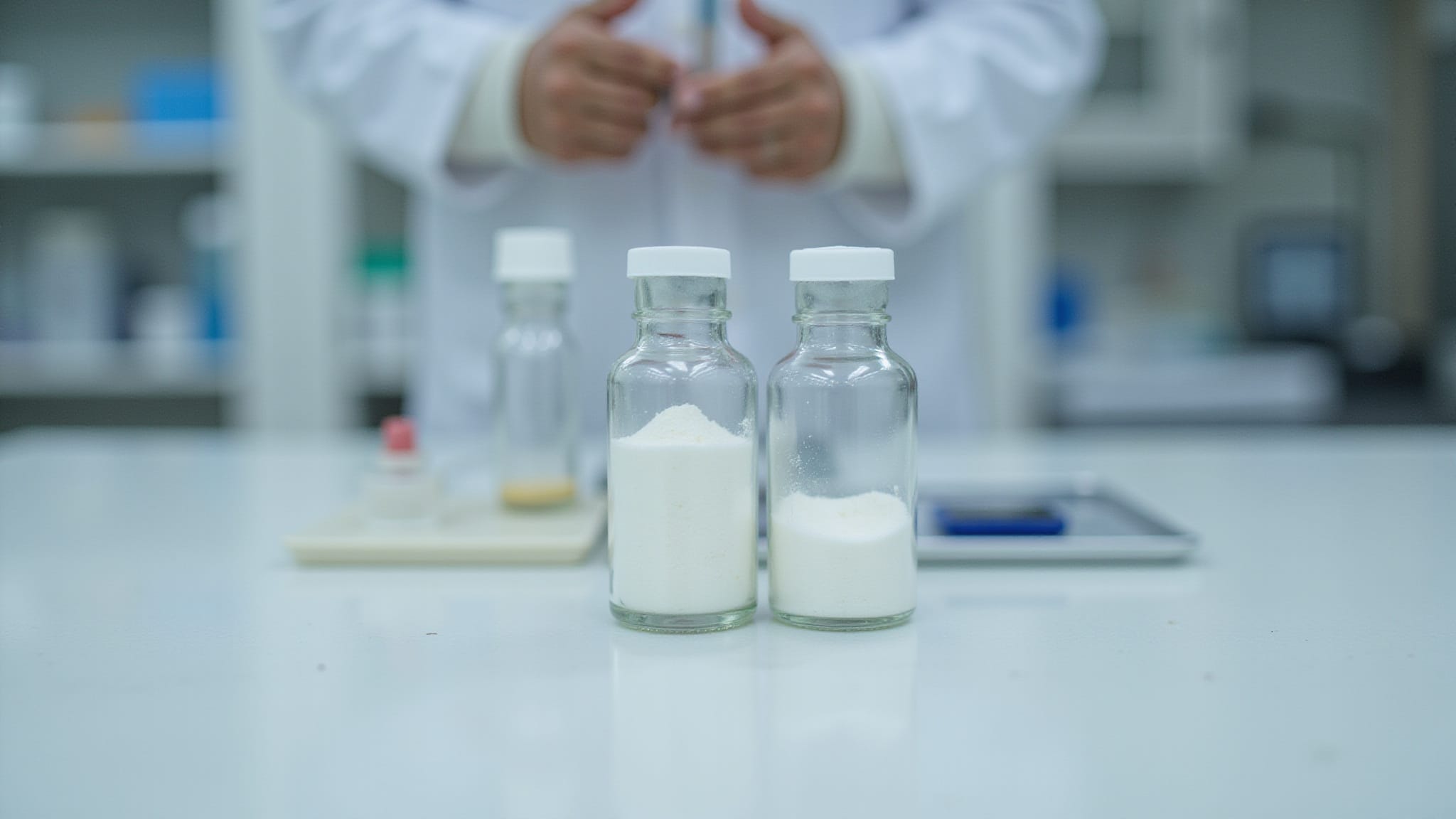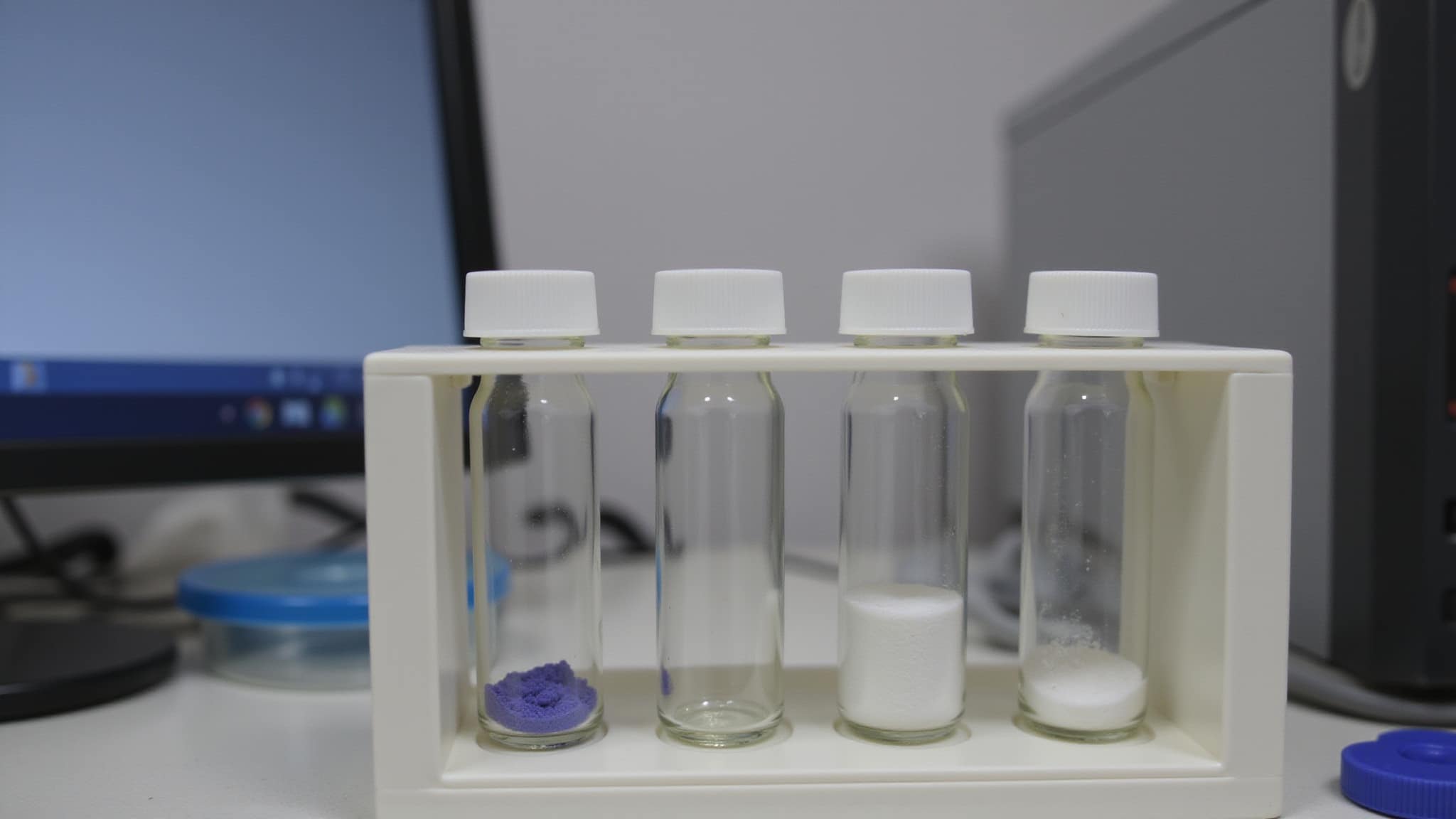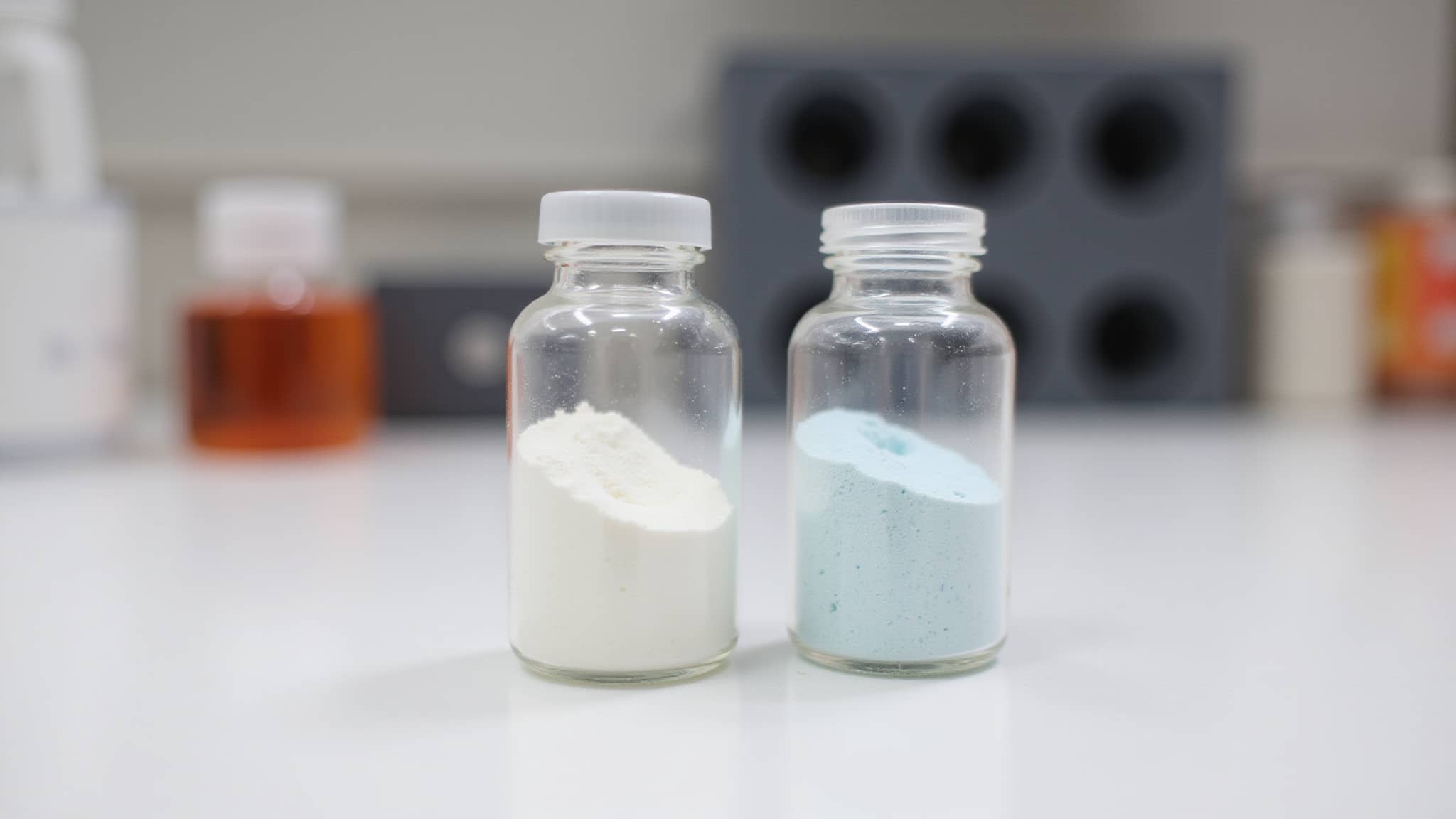
KPV dissolves readily in aqueous media thanks to its hydrophilic lysine residue. Choose your salt form carefully: the free base caps near 0.70 mg/mL, while the acetate reaches 5 mg/mL. Work within 0.5 to 2.0 mg/mL at neutral to slightly acidic pH to minimize precipitation. Reconstitute using bacteriostatic water for roughly 28 to 30 days of stability at 2 to 8 °C. Store lyophilized powder at −20 °C. Understanding each parameter’s rationale sharpens your protocol further.
Key Takeaways
- KPV is highly water-soluble due to its lysine residue, dissolving completely within 1 to 2 minutes with gentle mixing.
- Salt form dictates solubility: free base reaches 0.70 mg/mL in water, while acetate dissolves up to 5 mg/mL.
- Use a 0.5 to 2.0 mg/mL working range at neutral to slightly acidic pH to minimize precipitation and aggregation risk.
- Reconstitute with bacteriostatic water for ~28 to 30 days of refrigerated (2 to 8 °C), light-protected stability; use 0.1% acetic acid if needed.
- Store lyophilized powder at −20 °C desiccated, aliquot before freezing, and avoid shaking, cold-vial opening, and repeated freeze, thaw cycles.
How is KPV solubility and handling managed in research
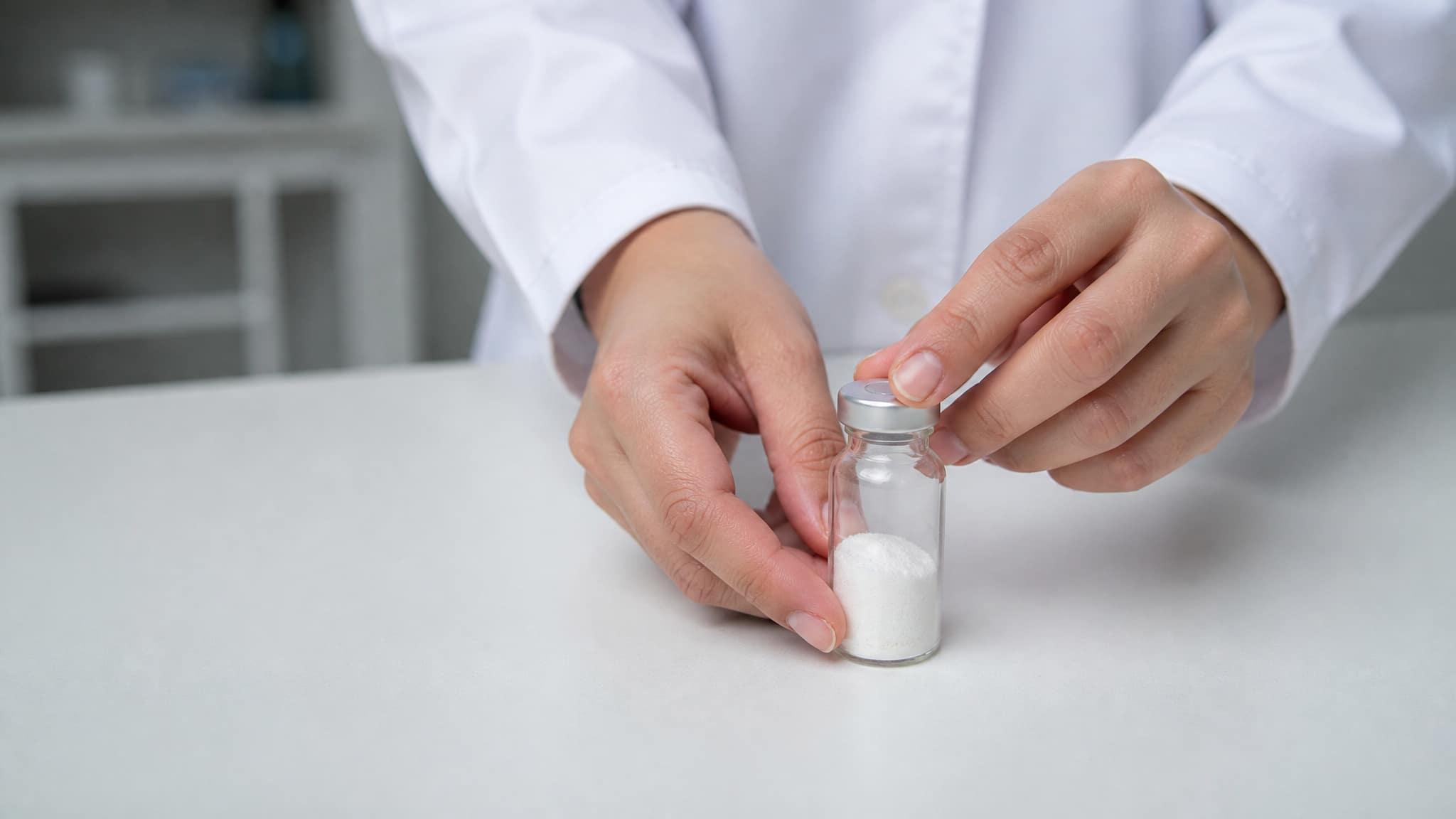
KPV solubility is managed by leveraging its highly water-soluble profile, driven largely by the lysine residue and the peptide’s hydrophilic character. You typically dissolve it within 1 to 2 minutes using gentle mixing. Select your vehicle based on the format: KPV free base dissolves in water up to 0.70 mg/mL, while KPV acetate reaches 5 mg/mL. Work is often within 0.5 to 2.0 mg/mL to avoid precipitation or aggregation risk. Choose sterile water, bacteriostatic water, or PBS, and reserve 0.1% acetic acid when plain water won’t fully dissolve the peptide. Target neutral to slightly acidic pH, since the positively charged lysine side chain improves dissolution. Avoid solvents below pH 3 during extended incubation, because acid hydrolysis can cleave the peptide bonds.
What is the solubility profile of KPV
KPV dissolves readily in aqueous media, and you can attribute this hydrophilic behavior largely to its lysine residue. In most cases, complete dissolution occurs within 1 to 2 minutes with gentle mixing.
Concentration limits depend on the form when working with. FDA briefing material reports KPV free base soluble in water up to 0.70 mg/mL, while KPV acetate reaches 5 mg/mL. Research sources cite practical working ranges of 0.5 to 2.0 mg/mL, and you should recognize that pushing higher concentrations can introduce precipitation or aggregation risk.
Best solubility occurs at neutral to slightly acidic pH, since mild acidification enhances the lysine side chain’s positive charge, improving dissolution.
Which diluent suits KPV reconstitution
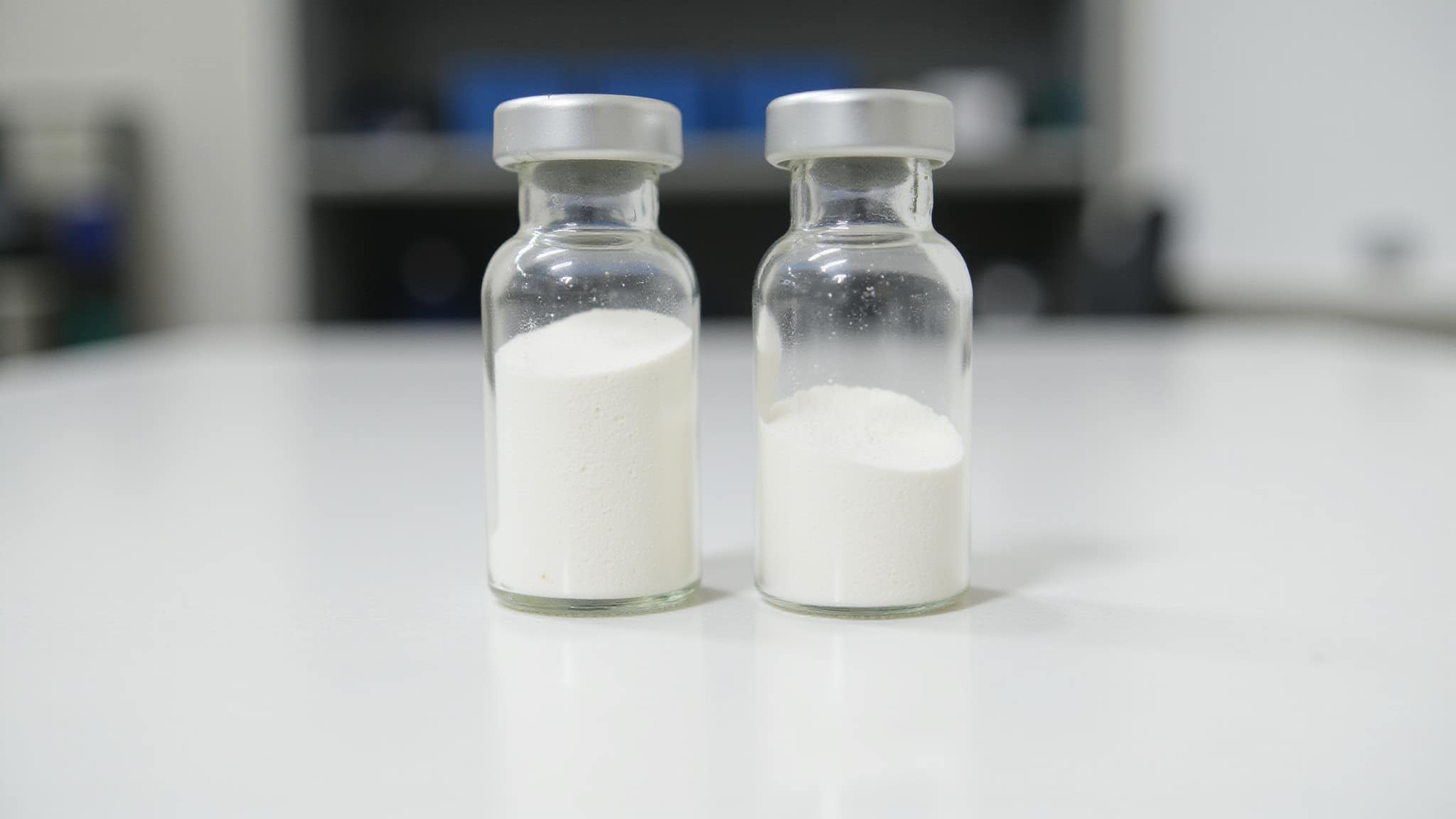
Sterile water and bacteriostatic water are your most commonly cited options for KPV reconstitution. Bacteriostatic water is often preferred because its 0.9% benzyl alcohol inhibits microbial contamination during repeated handling. Its typical pH range of 4.5 to 7.0 falls within KPV’s acceptable window, aligning with the peptide’s best solubility at neutral to slightly acidic conditions. KPV effects on inflammation models have been studied extensively in preclinical trials. These investigations demonstrate that KPV can significantly reduce pro-inflammatory cytokine levels.
If plain water doesn’t fully dissolve the peptide, you can turn to 0.1% acetic acid in water, since the protonated lysine side chain improves dissolution. Avoid acidic solvents below pH 3 for extended incubation, as acid hydrolysis can cleave peptide bonds. PBS and other buffered systems work for some in-vitro applications, while DMSO stays a limited fallback rather than your first-line choice.
How long does reconstituted KPV stay stable
Reconstituted KPV holds up for about 28 to 30 days when you store it in bacteriostatic water under refrigerated, light-protected conditions at 2 to 8 °C. Benzyl alcohol’s antimicrobial action supports this window, but stability is validated against the specific lot and timeframe.
| Condition | Storage Window | Key Consideration |
|---|---|---|
| BAC water, 2 to 8 °C | 28 to 30 days | Light-protected, refrigerated |
| Sterile water, 2 to 8 °C | Short-term | No preservative present |
| Lyophilized, −20 °C | Long-term | Desiccated, light-protected |
| Aliquoted, frozen | Extended | Minimizes freeze, thaw |
| Repeated freeze, thaw | Compromised | Degrades integrity |
For longer storage, aliquot and freeze the peptide to limit repeated freeze, thaw cycles, which erode molecular integrity over time. Treat these figures as protocol guidance, not absolute endpoints.
What storage conditions preserve KPV
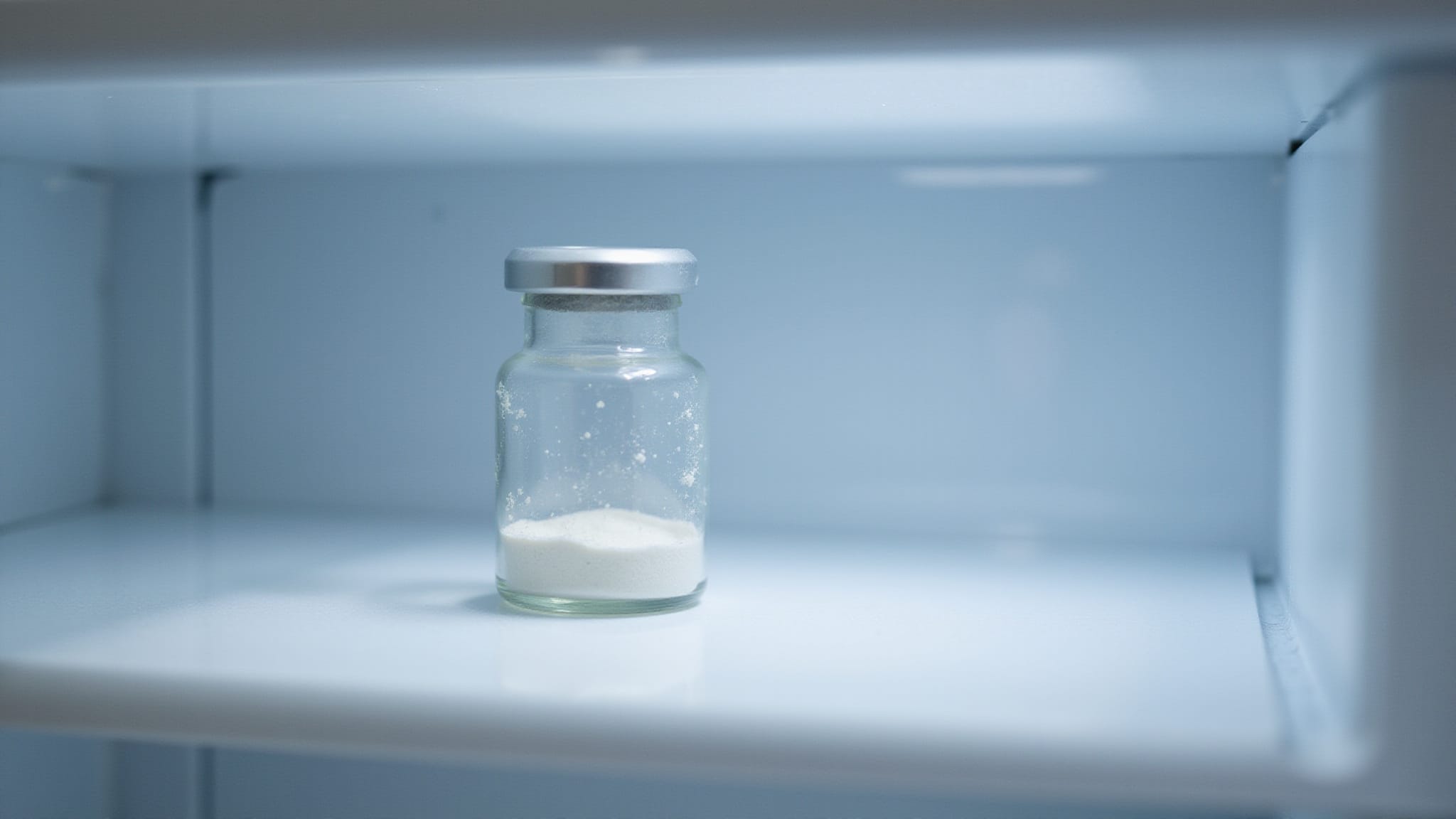
KPV is best preserved by matching storage conditions to the peptide’s form, since its stability hinges on temperature, moisture, and light exposure. Lyophilized material demands stricter conditions than reconstituted solution, so treat each form according to its vulnerabilities. Fulllength alphamsh peptide effects can significantly influence cellular signaling pathways and promote various biological responses. Understanding the specific conditions under which these peptides are stable will enhance their efficacy in research and therapeutic applications.
- Lyophilized storage: Keep the powder at −20 °C in a desiccated, light-protected environment to minimize moisture and photodegradation.
- Reconstituted storage: Hold the solution at 2 to 8 °C for short-term use, protected from light.
- Freeze, thaw control: Aliquot before freezing to avoid repeated cycles that compromise molecular integrity.
- Handling discipline: Maintain dry conditions during weighing and warm sealed vials to room temperature before opening.
Validate these parameters against your specific lot and experimental timeframe, since stability claims remain protocol guidance, not guarantees.
What handling errors compromise KPV samples
Common handling errors that compromise KPV samples include opening a cold vial before it reaches room temperature, shaking vigorously, adding solvent too quickly, exceeding solubility limits, using overly acidic solvents, repeating freeze, thaw cycles, exposing material to light or moisture during weighing, and skipping centrifugation. Opening a cold vial before it reaches room temperature allows condensation to dilute your material and skew concentration. Shaking vigorously instead of swirling gently drives foaming and localized aggregation. Adding solvent as a fast stream, rather than slowly down the vial wall, compounds that risk. Overshooting concentration past 5 mg/mL for KPV acetate or 0.70 mg/mL for free base invites precipitation. Extended incubation in solvents below pH 3 triggers acid hydrolysis of peptide bonds. Repeated freeze, thaw cycles fragment the molecule, and light or moisture exposure during weighing accelerates degradation. Skipping a brief centrifugation leaves you uncertain whether dissolution actually completed.
Shop High-Purity KPV at Holas
Proper KPV solubility and handling starts with a research-grade peptide from a source you can trust. Holas supplies laboratory-grade KPV in KLOW blend, third-party tested and shipped under sterile handling standards. Browse our shop or contact us to source the right peptides for your work.
Frequently Asked Questions
What Is the Molecular Weight and Sequence of KPV?
KPV is a tripeptide of three amino acids, lysine (K), proline (P), and valine (V), giving the sequence Lys-Pro-Val. Its molecular weight is approximately 342.4 g/mol for the free-base form. As with any lot, the exact value and net peptide content are best confirmed against the specific lot’s certificate of analysis before concentration calculations or reconstitution.
How Is KPV Concentration Verified After Reconstitution?
KPV concentration can be checked by UV spectrophotometry, though its lack of aromatic residues limits absorbance, so quantitative assays such as HPLC against a calibration curve are often used instead. The expected concentration is calculated from the known peptide mass and solvent volume, then complete dissolution is confirmed via brief centrifugation. Mass spectrometry can cross-check identity. The verification method is matched to the lot’s certificate of analysis and assay requirements.
Can KPV Be Filter-Sterilized Without Significant Peptide Loss?
Yes, filter-sterilization causes minimal loss with a low-protein-binding membrane such as PVDF or PES at 0.22 μm. Because KPV is small and highly water-soluble, it passes through readily. Pre-wetting the filter and discarding the first fraction to pre-saturate it reduces adsorptive losses. Verifying post-filtration concentration confirms recovery, since even minor binding can affect low-concentration working solutions.
What Container Materials Are Best for Storing KPV Solutions?
Borosilicate glass vials or low-binding polypropylene tubes work best, since both minimize peptide adsorption. Standard polystyrene and untreated plastics are best avoided, as they can bind KPV and reduce effective concentration. Amber or light-protected containers limit photodegradation, and containers should be sterile and sealable to maintain integrity. For refrigerated storage, tightly capped vials and smaller aliquots help avoid repeated freeze-thaw exposure.
How Does KPV Compare to Alpha-MSH in Structure?
KPV is the C-terminal tripeptide fragment (lysine-proline-valine) of alpha-MSH, a 13-amino-acid peptide, so it comprises just the final three residues and is much smaller and structurally simpler. It retains the anti-inflammatory sequence of the parent molecule but lacks the melanocortin receptor-binding regions. That is why KPV does not drive pigmentation effects while keeping the hydrophilic character of the fragment.