
Peptide Research & Science
KPV vs Full-Length Alpha-MSH: Why the Tripeptide Fragment
KPV peptide delivers alpha-MSH’s anti-inflammatory action without pigmentation or endocrine effects, acting via PepT1 uptake and NF-κB suppression.
KPV peptide delivers alpha-MSH’s anti-inflammatory action without pigmentation or endocrine effects, acting via PepT1 uptake and NF-κB suppression.
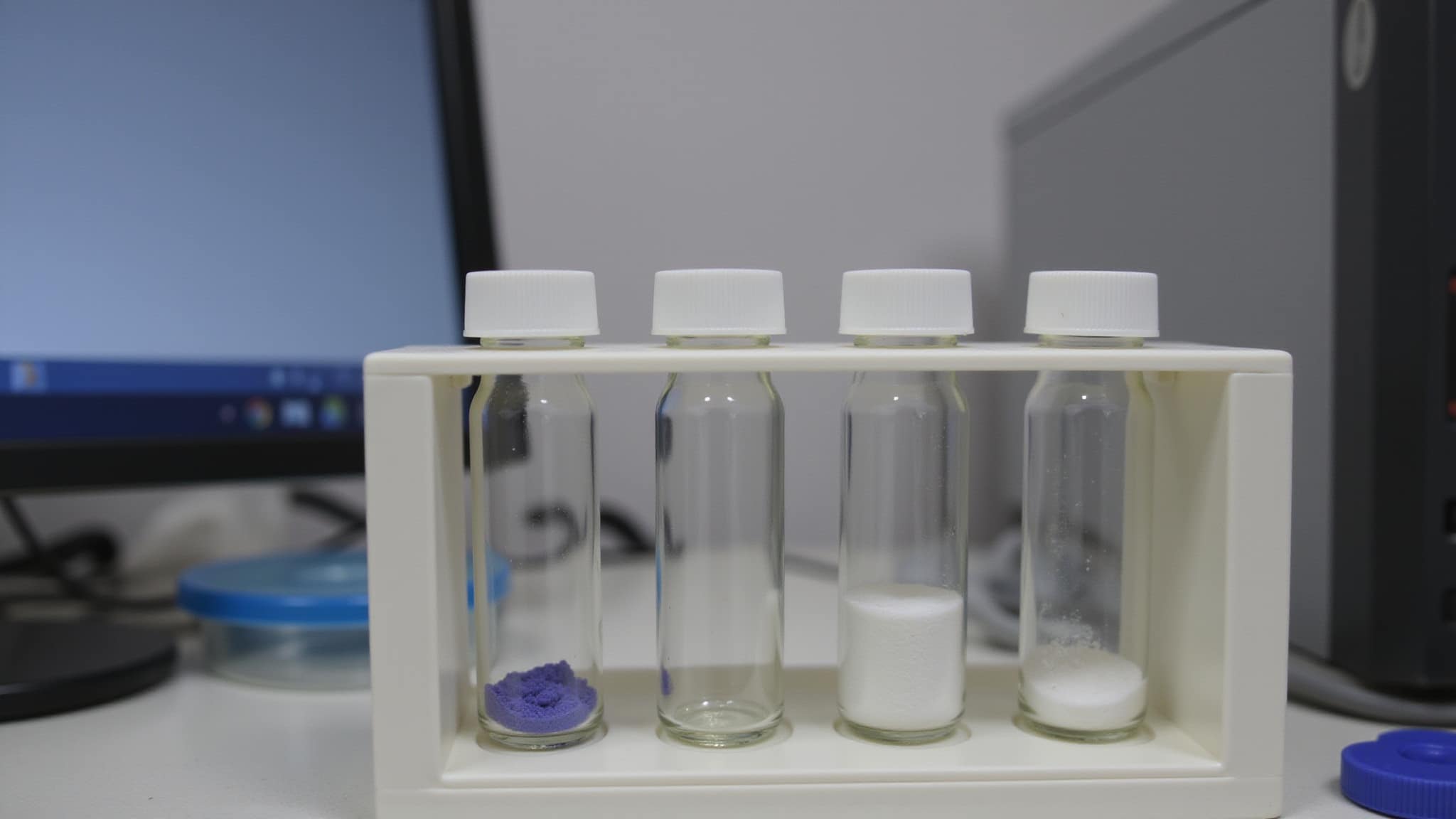
KLOW peptide blend combines GHK-Cu, BPC-157, TB-500, and KPV in one 80 mg vial for tissue repair. Learn the composition and ratios.
GLOW vs KLOW: compare two skin research peptide blends and choose the right one based on whether inflammation drives your study.

KPV Solubility guidance for choosing salt form, concentration, pH, and storage conditions to support reliable research handling.
Peptide blends for research help study multiple peptide interactions in one system with fixed-ratio co-formulations.
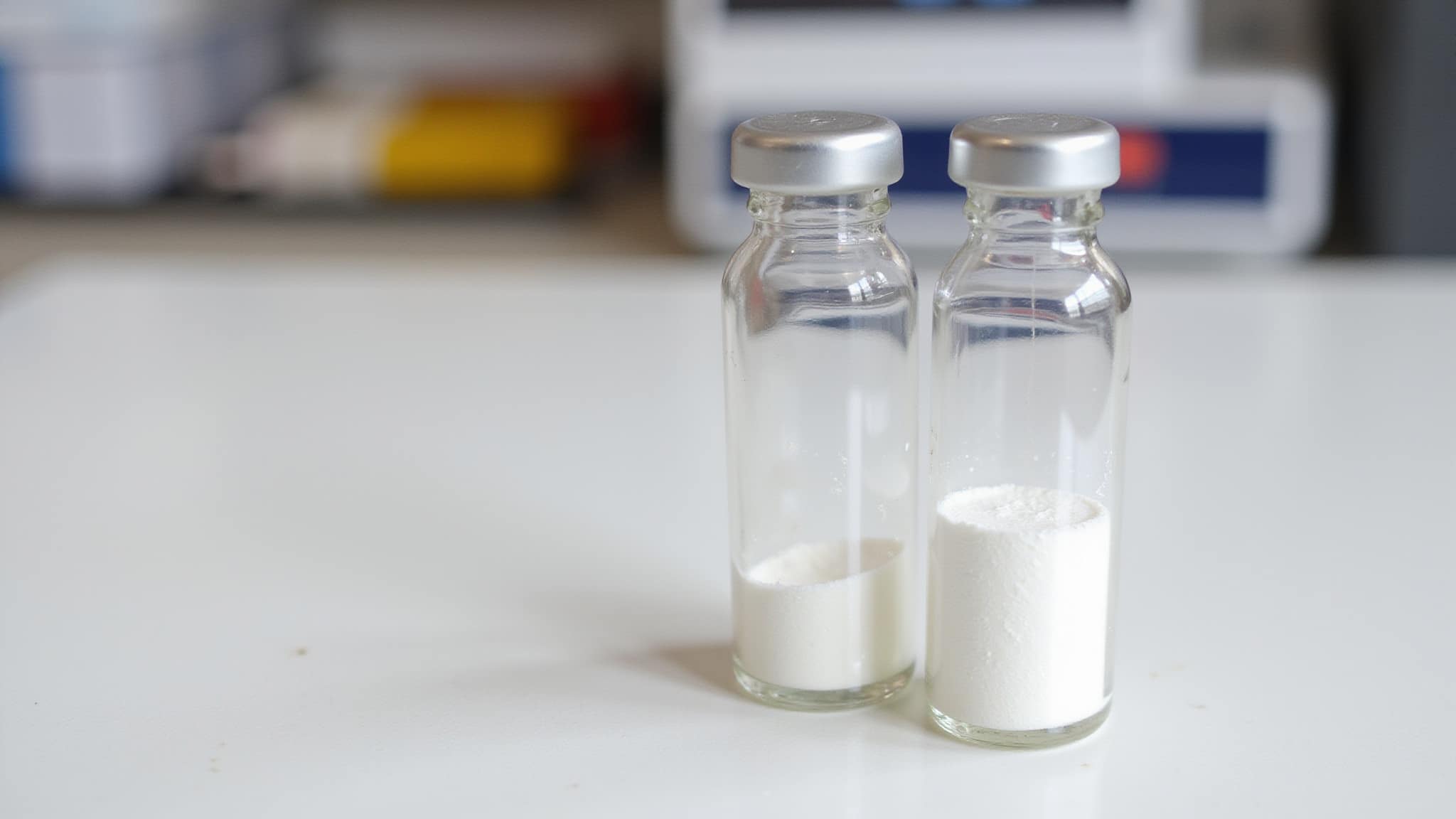
KPV peptide research: how it targets NF-κB and TNF-α to support gut barrier function in preclinical colitis models.

KPV peptide: the Lys-Pro-Val α-MSH fragment studied for anti-inflammatory action via PepT1 uptake and NF-κB blockade in gut and skin.
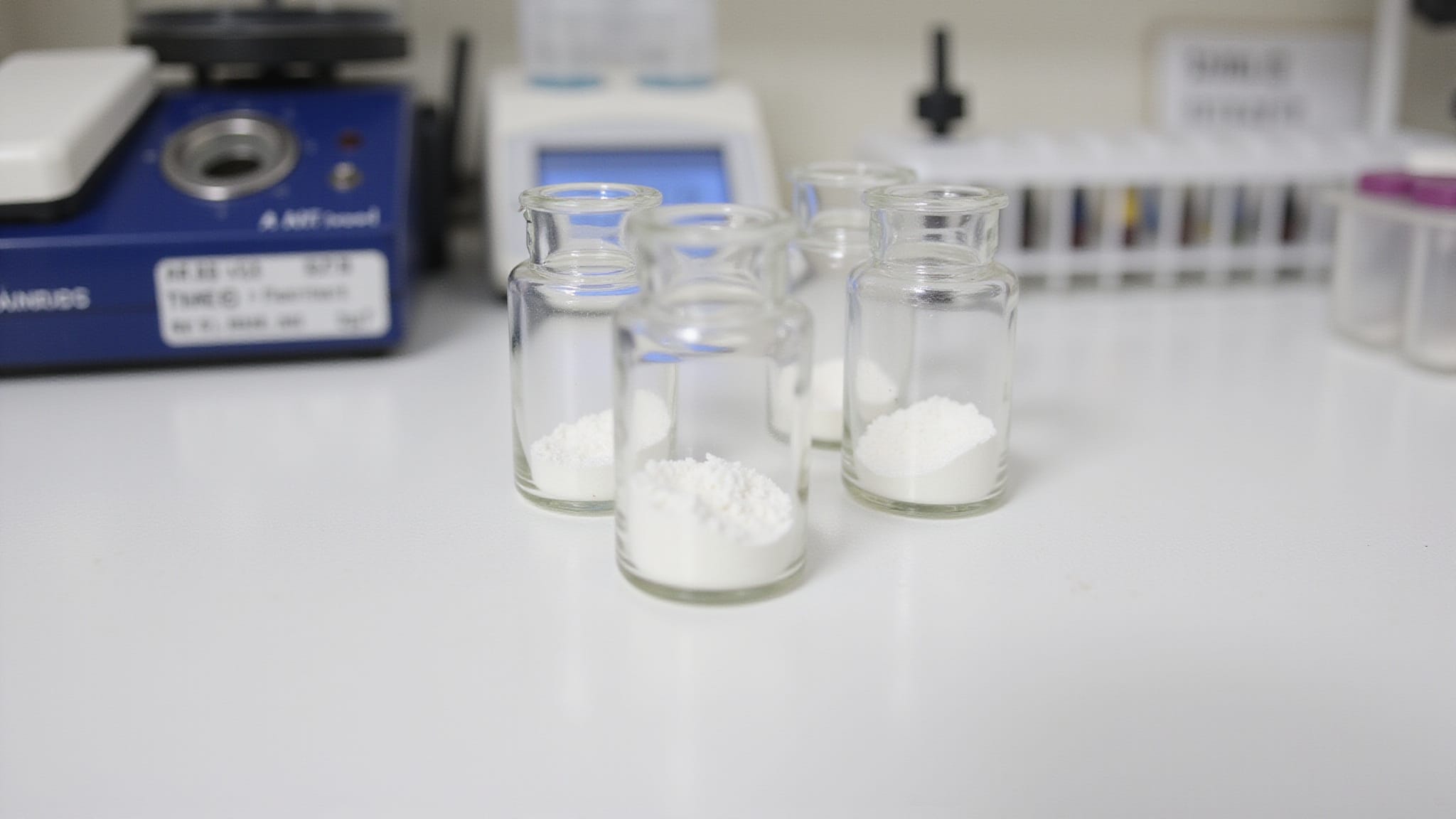
Pulsatile vs continuous GH secretagogue release: learn how dosing pattern shapes pulse amplitude, receptor activation, and study outcomes.
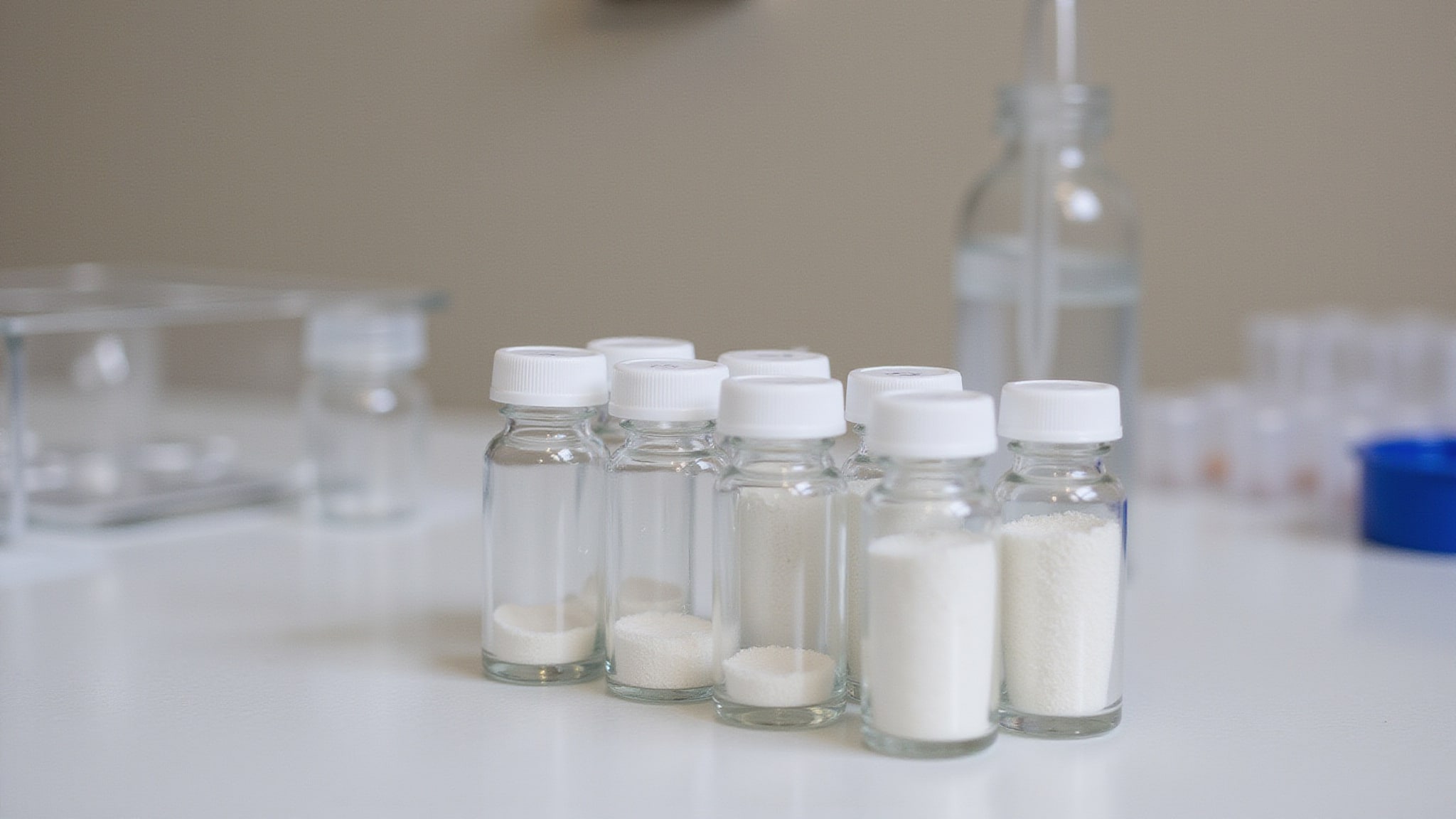
GHRP-2 research overview: how this hexapeptide stimulates GH release via the GHS-R1a receptor across cell, mouse, and human studies.
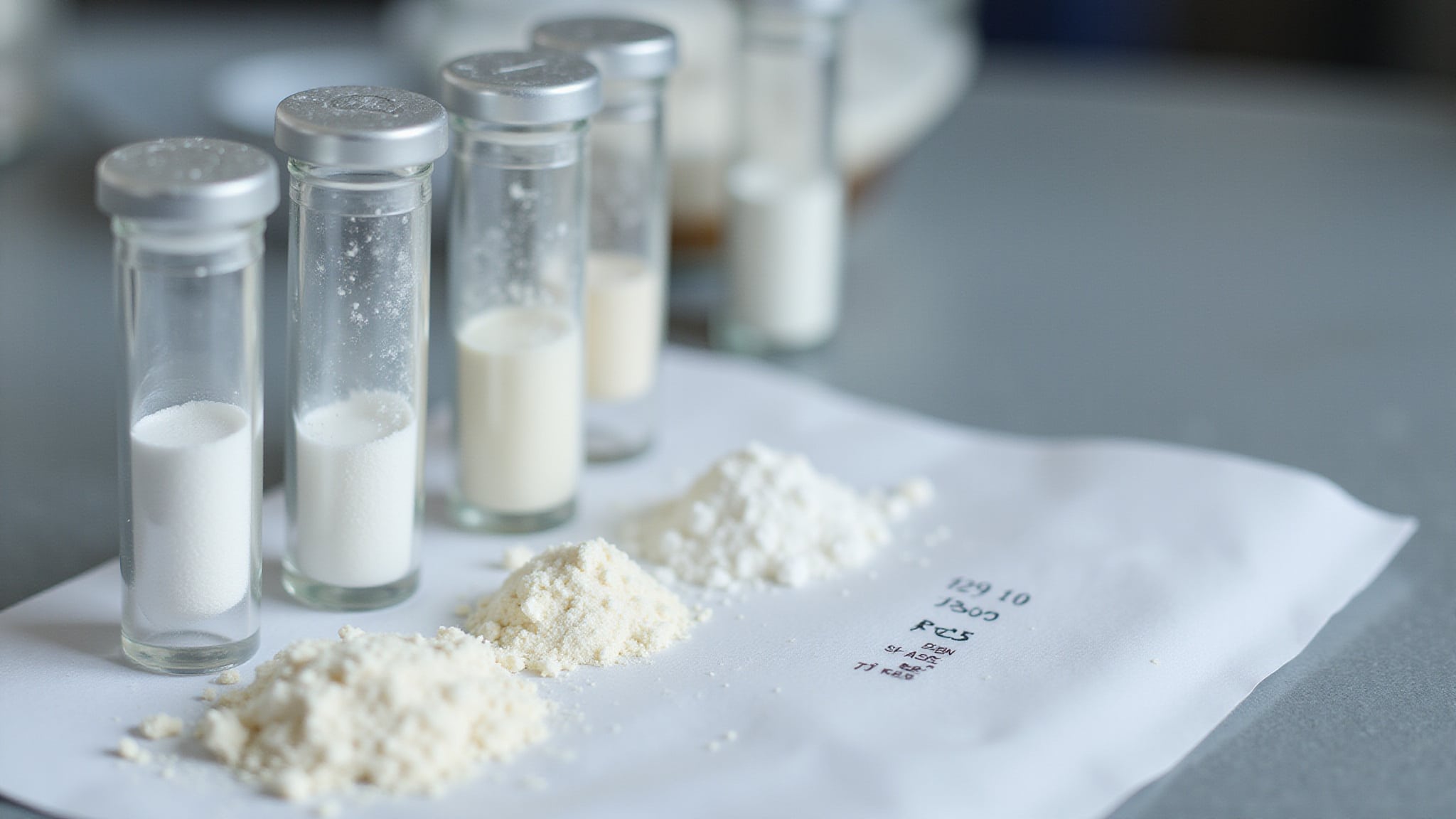
Ipamorelin receptor selectivity: binds GHS-R1a at 1-3 nM Ki, avoiding CD36 and 5-HT off-targets for clean GH release without cortisol or prolactin spikes.