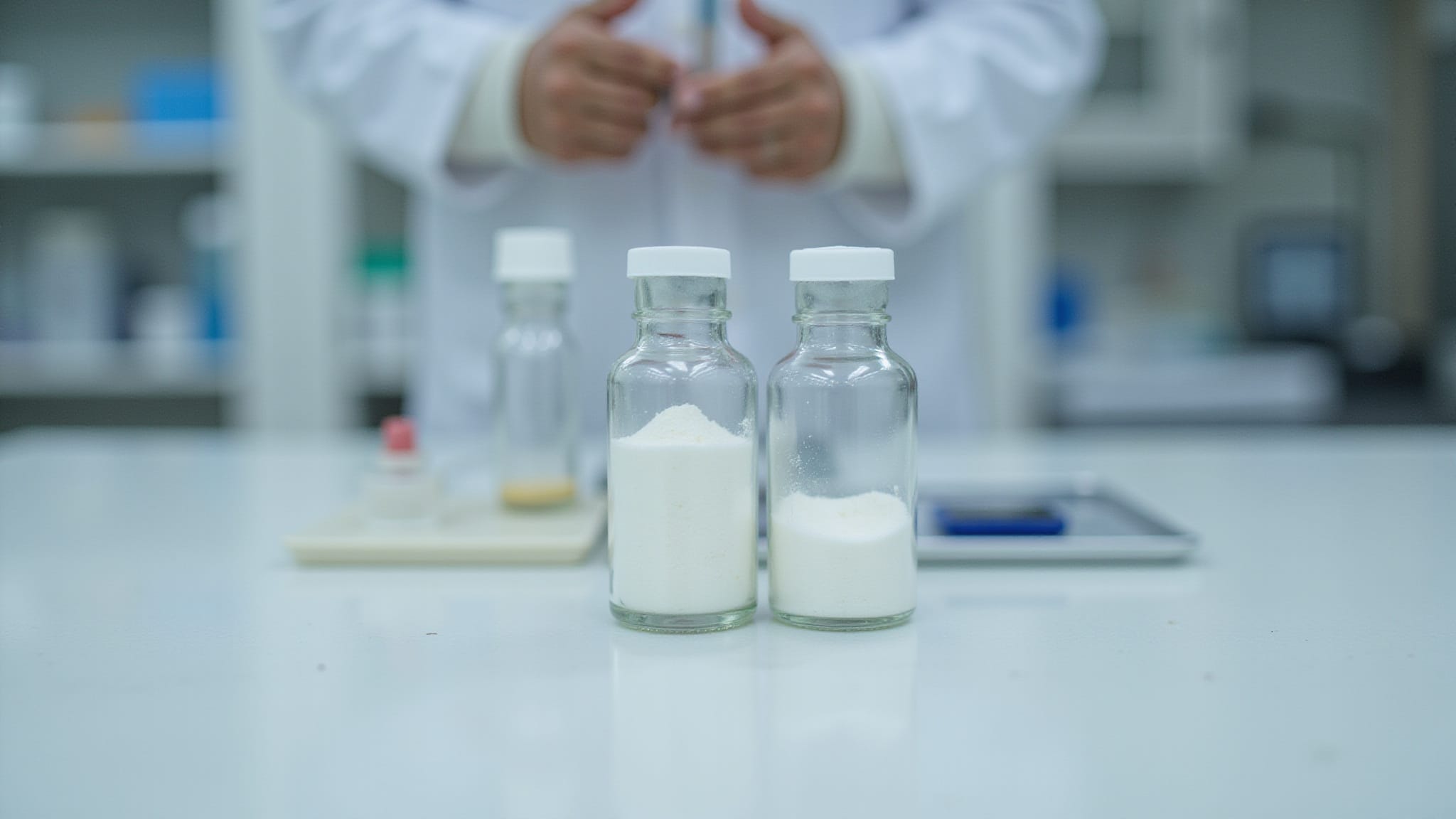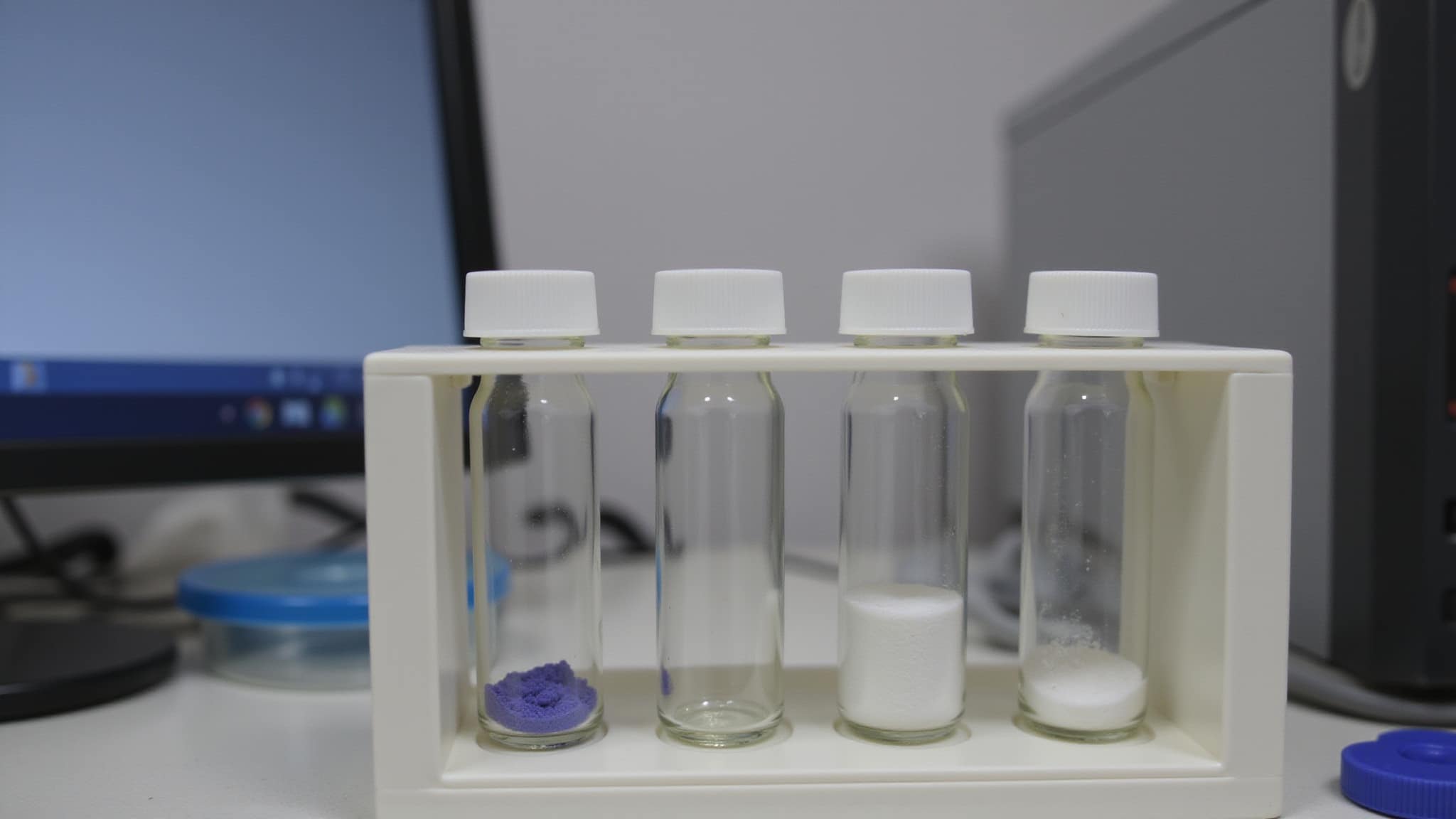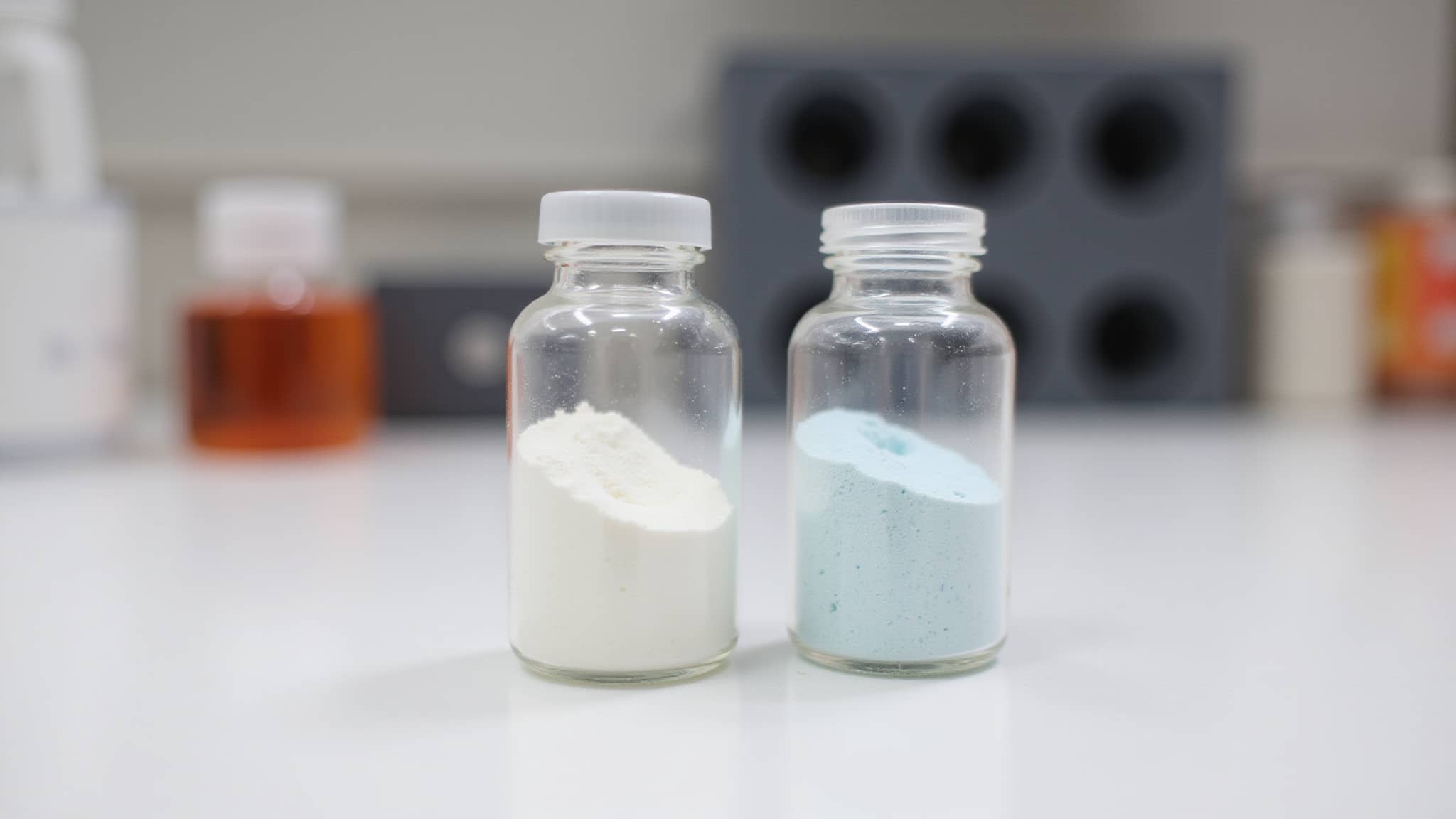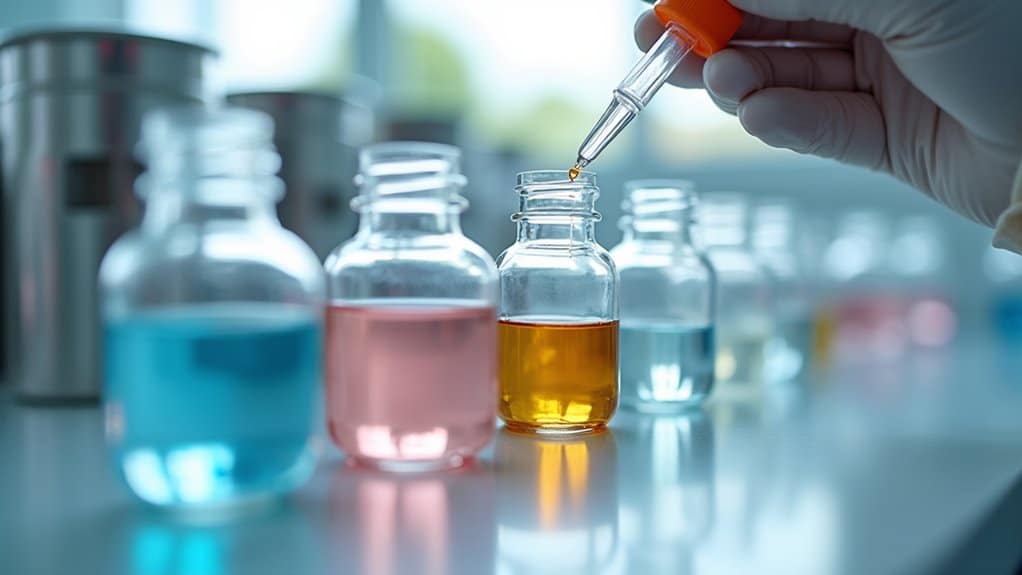
TB-500 aqueous solubility is assessed by controlling reconstitution, then verifying clarity and dissolved peptide content. Vials are brought to room temperature, stoppers disinfected, bacteriostatic water added slowly down the vial wall, and the vial rolled gently rather than shaken. The solution is inspected against bright light for haze, particles, or precipitate. For stronger evidence, undissolved material is separated by filtration or centrifugation, then quantified with HPLC or LC-MS. pH, salts, concentration, additives, and temperature all shape the result.
Key Takeaways
- Reconstitute TB-500 slowly with wall-directed bacteriostatic or sterile water addition, then gently roll instead of shaking.
- Inspect the solution under bright light for clarity, haze, particles, sediment, or precipitation.
- Quantify apparent solubility by preparing a known concentration, then filtering or centrifuging undissolved material.
- Confirm dissolved intact peptide using HPLC or LC-MS, which can distinguish solubility loss from degradation.
- Control pH, ionic strength, temperature, concentration, and solvent composition, since these strongly affect TB-500 solubility.
Aqueous Solubility Testing for TB-500
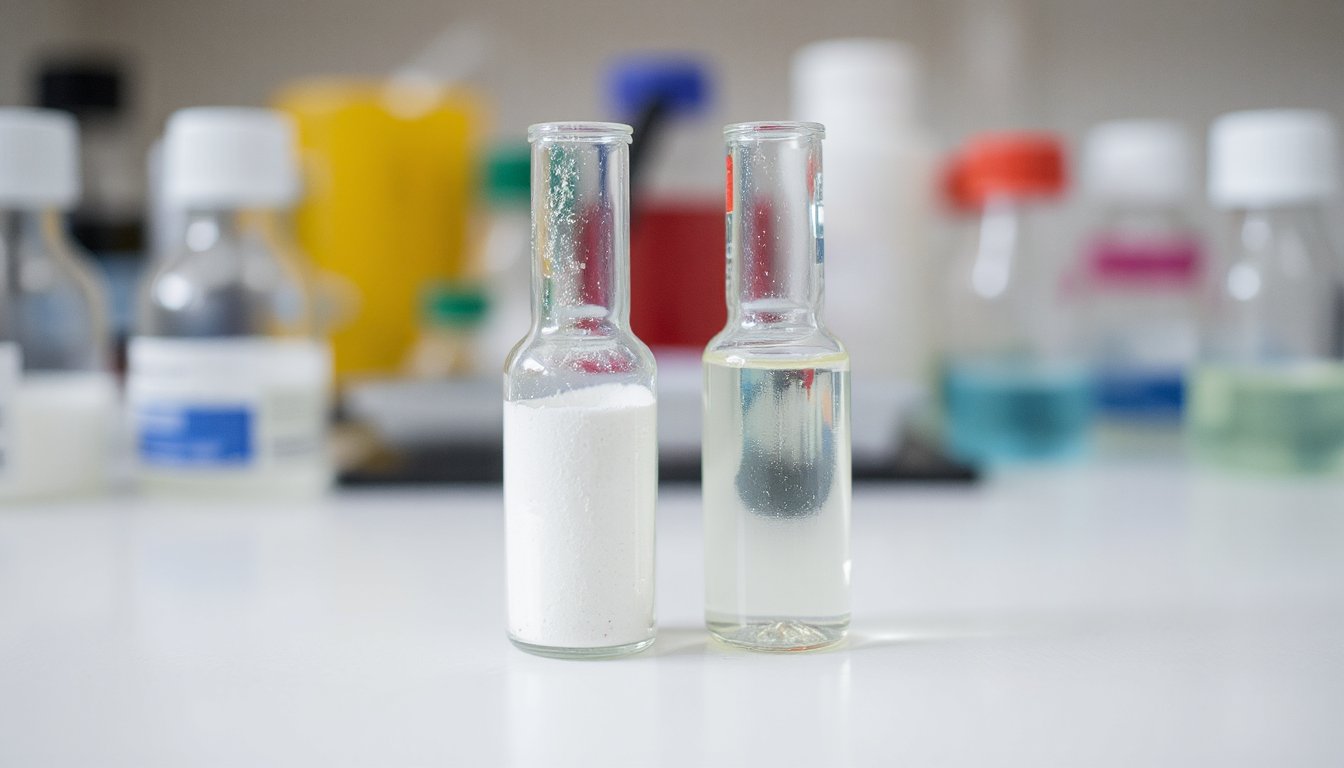
TB-500 aqueous solubility is assessed by reconstituting the lyophilized peptide under sterile, controlled conditions and verifying that it forms a fully transparent solution. Both vials are brought to room temperature, stoppers are disinfected, and sterile bacteriostatic water is withdrawn. For a 10 mg vial, adding 2 mL targets 5 mg/mL, with the stream directed down the glass wall. The vial is rolled gently rather than shaken until no visible powder remains. TB-500 water solubility is evaluated by inspecting against bright light for haze, particles, or precipitate. A clear solution supports acceptable aqueous solubility; turbidity signals incomplete dissolution, precipitation, or contamination, and the preparation is discarded. Volume, concentration, time to clarity, and appearance are recorded. This solubility testing approach provides reproducible, observable evidence before storage, analysis, or further handling under validated sterile conditions.
What determines peptide aqueous solubility
Peptide aqueous solubility is determined by sequence-dependent chemistry, including ionizable side chains, net charge, hydrophobic residues, counterions, and residual salts. A clear TB-500 solution confirms the chosen conditions worked, but it does not explain why the peptide dissolved. pH also matters, since protonation changes electrostatic repulsion and aggregation risk. Temperature, concentration, and solvent composition contribute as well, and a peptide may remain clear at 5 mg/mL yet precipitate at higher loading. Lyophilized form, moisture history, and excipients can alter wetting and dissolution kinetics without changing the sequence. One aqueous vehicle should not be assumed to fit all synthetic peptides, since composition drives solvent interaction. In peptide testing, clarity supports solubility, while turbidity, particles, or delayed haze signal precipitation, contamination, or incomplete dissolution. Gentle mixing protects structure while allowing uniform hydration.
Methods that measure TB-500 solubility
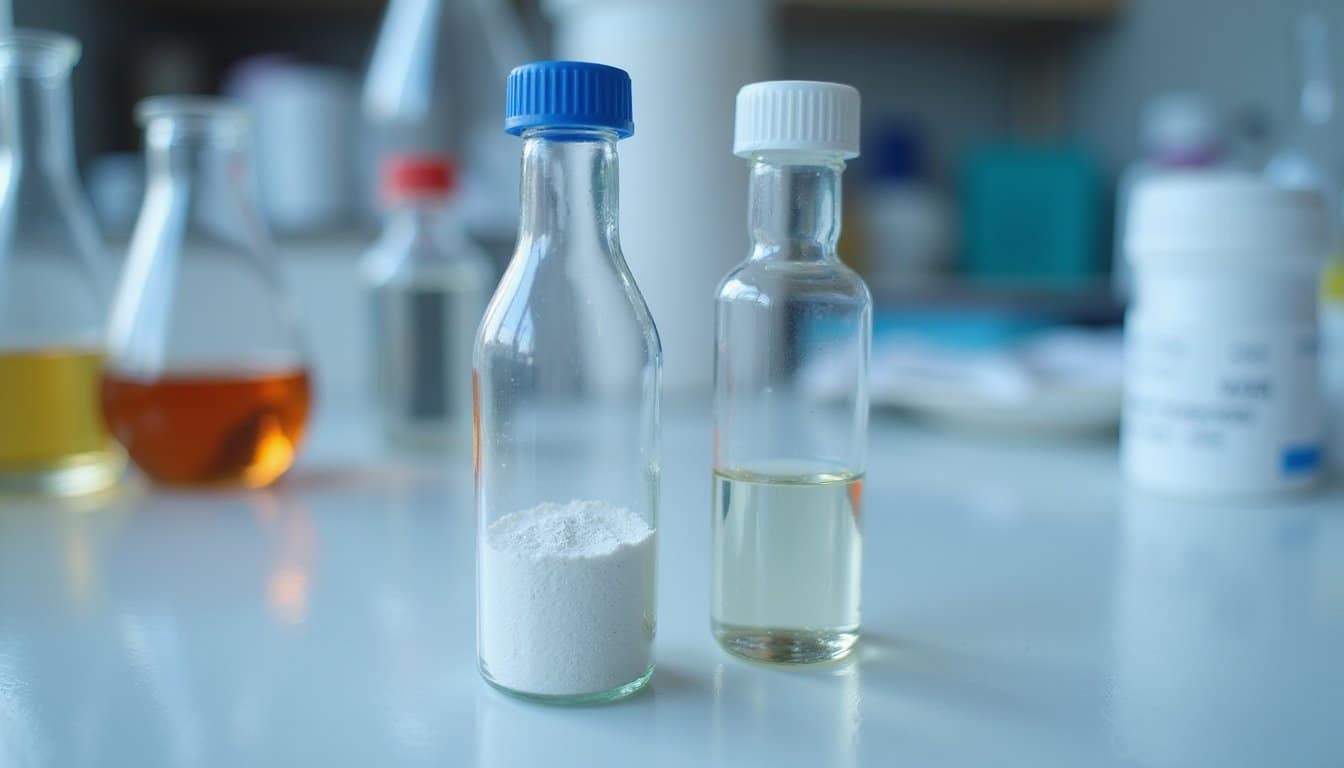
TB-500 solubility is measured reliably by combining visual, gravimetric, and chromatographic checks. The lyophilized peptide is reconstituted under sterile, controlled conditions, with solvent added slowly against the vial wall and gentle rolling rather than shaking. Clarity is then inspected against light: a transparent solution supports complete dissolution, while haze, particles, or sediment signal precipitation or contamination. Lyophilization stability testing of thymosin beta-4 is essential to ensure the peptide maintains its efficacy throughout its shelf life.
Apparent solubility is quantified by preparing a known target concentration, filtering or centrifuging undissolved material, and measuring the peptide remaining in solution. HPLC or LC-MS gives stronger evidence than visual inspection because it separates intact peptide from degradation products and insoluble loss. UV absorbance can help when wavelength response is validated. Temperature, solvent composition, pH, time, and handling are recorded, since solubility results are not transferable without those conditions.
Solubility across different aqueous solutions
TB-500’s aqueous solubility varies by solvent composition, pH, ionic strength, and peptide lot characteristics rather than by water alone. One aqueous vehicle should not be assumed to predict all results. In bacteriostatic water, a 10 mg vial reconstituted with 2 mL targets 5 mg/mL, and a clear solution is expected if dissolution succeeds. Acidified water may improve analytical handling, especially when 0.1 to 2% TFA is used for reversed-phase workflows. Salt-rich or incompatible buffers can reduce apparent solubility, so the endpoint is judged by clarity, not mixing time alone. TB-500 encapsulation methods can significantly influence the effectiveness of its delivery in various biological systems. Proper selection of encapsulation techniques may enhance its stability and bioavailability, leading to improved therapeutic outcomes.
| Aqueous solution | Expected observation |
|---|---|
| Sterile water | Variable clarity; lot-dependent |
| Bacteriostatic water | Clear at 5 mg/mL when compatible |
| 0.1 to 2% TFA water | Often improved analytical dissolution |
| High-salt buffer | Higher turbidity risk |
Cloudy preparations are discarded.
Factors that affect solubility

Solubility is affected by peptide sequence, concentration target, pH, ionic strength, solvent additives, temperature, and handling technique. As a synthetic peptide, TB-500 should not be expected to take a universal diluent. Charge distribution and hydrophobic regions govern how it interacts with water. Higher target concentrations, such as 5 mg/mL, increase precipitation risk because less solvent surrounds each molecule. pH shifts ionizable residues and can improve or reduce net repulsion. Salts and buffers change ionic strength, sometimes screening charges that keep peptides dispersed. Additives, including benzyl alcohol, DMSO, DMF, acids, or chaotropes, can alter wetting, sterility, or peptide-solvent interactions. Temperature matters, since room-temperature mixing reduces shock. Technique matters too: slow wall-directed addition and gentle rolling limit foaming, aggregation, and mechanical stress.
How solubility results inform formulation design
Solubility results inform formulation design by defining feasible concentration, diluent choice, handling steps, visual release criteria, and storage conditions. A clear 5 mg/mL result after adding 2 mL bacteriostatic water to 10 mg TB-500 serves as evidence that the target strength is feasible. If clarity holds without particles, that diluent system can be selected and acceptance criteria defined around transparency.
Solvent-response data also sets preparation controls. If slow wall-directed addition reduces foaming and supports dissolution, that technique is specified. If room-temperature equilibration improves consistency, it is included. Storage instructions align with stability data: refrigerate at 2 to 8°C, avoid freezing, and limit use to 30 days. In this way, solubility testing defines concentration, diluent, handling, visual release criteria, and storage conditions.
Solubility challenges that arise with TB-500
TB-500 can present solubility challenges because peptide sequence, hydrophobic regions, salt form, and residual lyophilization components all affect aqueous behavior. Uniform dissolution should not be assumed. When a 10 mg vial is reconstituted with 2 mL bacteriostatic water to target 5 mg/mL, clarity must verify that concentration. Turbidity, particles, or delayed clouding signal precipitation, incomplete wetting, or contamination. Proper tb-500 vial reconstitution is crucial for ensuring the effectiveness and safety of the solution. Any deviation from the specified process can result in compromised product quality.
Handling-related challenges also arise. Vigorous shaking can foam the solution and stress peptide structure, so slow wall-directed addition and gentle rolling are needed. Temperature shifts, freezing, or storage beyond 30 days can reduce stability and apparent solubility. If water fails, acidified water, DMSO, or chromatographic solubilization strategies may be needed based on analytical evidence.
Conclusion
Aqueous solubility testing for TB-500 combines controlled reconstitution, a visual clarity check, and chromatographic confirmation to establish that the peptide dissolves fully and remains intact at the target concentration. Its strength is that a simple, observable endpoint, a transparent solution, is backed by HPLC or LC-MS evidence that separates true solubility from degradation. Because the outcome depends on pH, ionic strength, temperature, and handling, every result is only as portable as the conditions recorded alongside it.
Reliable solubility work also depends on the material entering the vial. Inconsistent salt form, residual lyophilization components, or variable purity introduce turbidity and recovery problems that no reconstitution technique can fully correct, and reproducibility across preparations depends on consistent starting material. Sourcing research-grade TB-500 and compatible bacteriostatic water of verified quality removes a major source of that variability and keeps solubility results comparable across experiments.
Shop TB-500 Backed by Full Documentation
Sourcing peptides for your research requires transparency and reliable batch consistency, and that’s exactly what Holas delivers. Our TB-500 peptide is supported by independent lab results for verified purity, with proper lyophilization for long-term storage in laboratory settings. Browse our full catalog or reach out to discuss your sourcing needs.
Frequently Asked Questions
Why is bacteriostatic water often chosen over sterile water for reconstituting TB-500?
Bacteriostatic water contains a small amount of benzyl alcohol that suppresses microbial growth, which suits a preparation held over a multi-day working window rather than used immediately. Sterile water has no such agent, so any solution made with it is more time-limited. The choice depends on how long the reconstituted material will be stored and whether the additive is compatible with the intended analytical workflow.
How can incomplete dissolution be distinguished from peptide degradation?
Visual clarity alone cannot separate the two, since a hazy solution could reflect undissolved peptide or breakdown products. Filtering or centrifuging the preparation and running the supernatant on HPLC or LC-MS resolves this: undissolved peptide shows as reduced recovery of the intact species, while degradation shows as new peaks. Pairing the visual check with a chromatographic one is what makes the distinction reliable.
Why is shaking avoided during TB-500 reconstitution?
Shaking introduces air and shear that generate foam and mechanical stress, which can promote aggregation and denaturation at the air-liquid interface. Slow addition down the vial wall followed by gentle rolling wets the powder without that stress and preserves structure. This is why time to clarity, not vigorous mixing, is the endpoint being watched.
Does targeting a higher concentration than 5 mg/mL change the solubility result?
Higher target concentrations leave less solvent per molecule and raise precipitation risk, so a peptide that dissolves cleanly at 5 mg/mL may show turbidity at a higher loading. Any concentration change is therefore re-verified by clarity rather than assumed to hold. Recording the concentration alongside the observation keeps the result interpretable and reproducible.
Why must solvent conditions be recorded with every solubility result?
Apparent solubility depends on pH, ionic strength, temperature, solvent composition, and lot characteristics, so a result is only meaningful alongside the conditions that produced it. A clear solution under one set of conditions does not guarantee clarity under another. Documenting temperature, diluent, pH, time, and handling is what allows a result to be compared or repeated across experiments.