GLOW and KLOW share the same three-peptide core, GHK-Cu, BPC-157, and TB-500, but they diverge on one variable. KLOW adds a fourth peptide, KPV, an alpha-MSH-derived tripeptide that introduces anti-inflammatory activity through NF-κB and cytokine signaling modulation. Choose GLOW when research on repair, regeneration, and matrix remodeling without an inflammatory component. Choose KLOW when inflammation or immune signaling drives your research question. The details below sharpen your selection.
Key Takeaways
- Shared backbone: Both blends contain GHK-Cu, BPC-157, and TB-500; KLOW adds KPV, an alpha-MSH-derived anti-inflammatory tripeptide.
- Mass difference: GLOW totals 70 mg across three peptides, while KLOW totals 80 mg across four peptides.
- GLOW focus: Best for repair, regeneration, and matrix remodeling studies without an inflammatory variable, keeping readouts cleaner.
- KLOW focus: Adds NF-κB and cytokine signaling modulation, suiting inflammation-linked, immune signaling, or UV-induced damage research contexts.
- Choosing criterion: Select based on whether your model needs the KPV anti-inflammatory dimension; if not, GLOW offers tighter variable control.
How do GLOW and KLOW compare as skin research blends
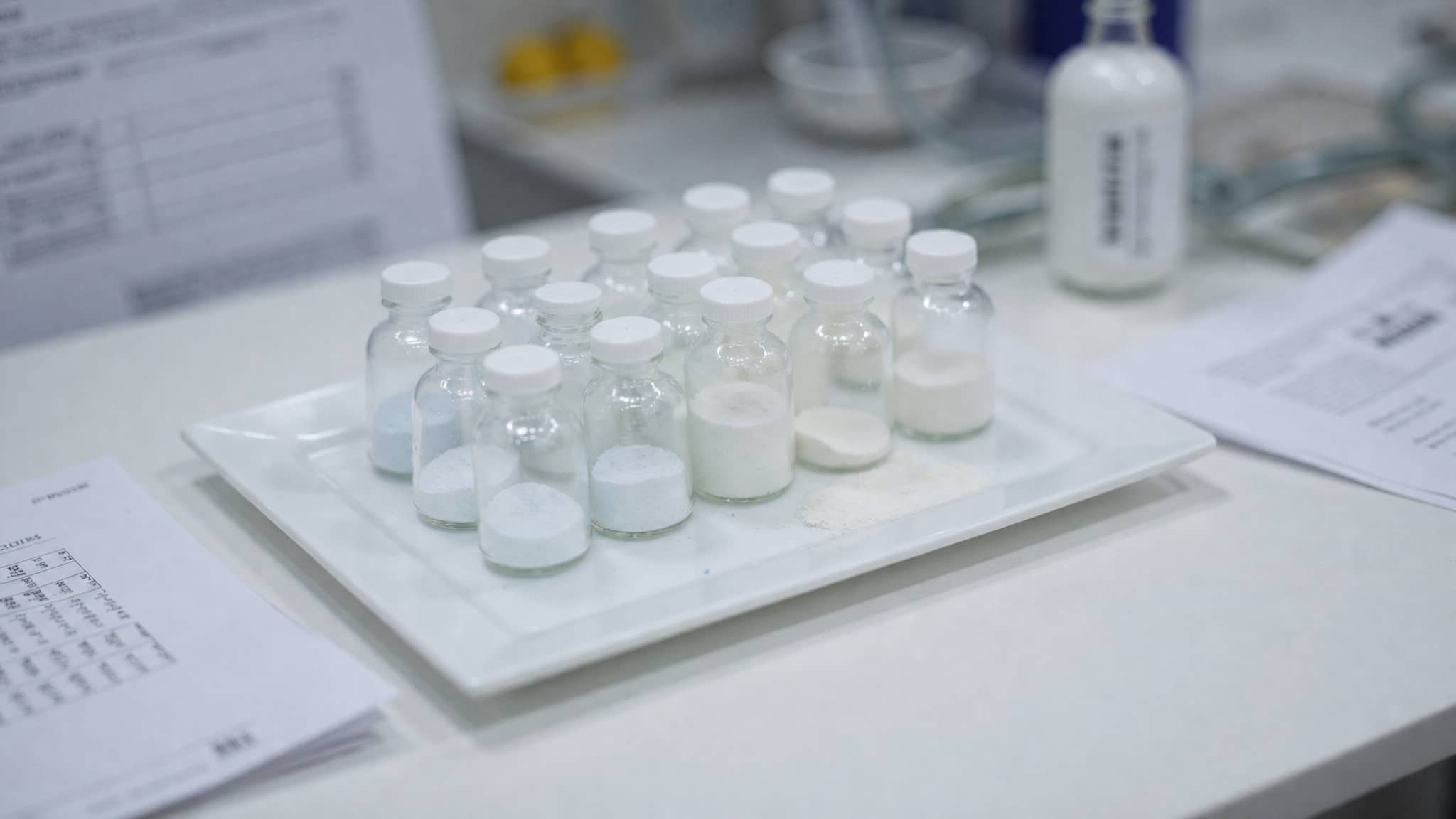
GLOW and KLOW differ by one peptide: KLOW adds KPV, an alpha-MSH-derived tripeptide that introduces an anti-inflammatory layer through NF-κB and cytokine signaling modulation. Both share a three-peptide base, GHK-Cu, BPC-157, and TB-500, directed at tissue repair and matrix remodeling. That single variable shifts the research scope. The difference in the formulations also raises questions about MT-1 vs MT-2 receptor selectivity. Understanding how these receptors interact with the introduced peptide could unveil new therapeutic potentials.
| GLOW | KLOW |
|---|---|
| 3 peptides, 70 mg total | 4 peptides, 80 mg total |
| Skin renewal, remodeling | Repair plus anti-inflammatory |
| Fibroblast, keratinocyte focus | NF-κB, cytokine focus |
| Non-inflammatory wound models | Inflammation-linked models |
GLOW suits models targeting remodeling without an inflammatory variable, making it a cleaner baseline. KLOW suits work where chronic inflammation, immune signaling, or NF-κB activation factors into your research question.
What is the GLOW blend and what does it contain
GLOW is a three-peptide research blend that combines GHK-Cu, BPC-157, and TB-500 into a single 70 mg formulation. This base is positioned around skin renewal, tissue repair, and matrix remodeling. Each component contributes to the blend’s regenerative focus: GHK-Cu supports fibroblast collagen studies and keratinocyte barrier research, while BPC-157 and TB-500 drive vascular response and cell migration pathways. Note that some vendors list TB-4 instead of TB-500, which reflects naming inconsistency rather than a distinct component. Blending peptides for research opens up new avenues for therapeutic applications. Researchers are continually exploring how these peptides can be utilized in various clinical settings to enhance healing.
GLOW serves as a cleaner baseline study option for remodeling-related research, since it lacks a dedicated inflammatory variable. It fits non-inflammatory wound healing, dermal matrix density, surface skin repair, and hair follicle biology models where isolating repair and regeneration without immune signaling.
What is the KLOW blend and what does it contain

KLOW is a four-peptide blend containing GHK-Cu, BPC-157, TB-500, and KPV, with a total blend mass of 80 mg. KPV is the fourth peptide added to the same three-peptide backbone found in GLOW, and that single addition is the main variable separating KLOW from GLOW’s 70 mg formulation. The innovative KLOW peptide blend enhances recovery and promotes healing, making it a favored choice among athletes and wellness enthusiasts alike.
KPV is a tripeptide derived from alpha-MSH, and researchers consistently link it to anti-inflammatory activity. It’s associated with NF-κB and cytokine signaling modulation, giving KLOW an immune-modulating dimension the base blend lacks.
How do their research applications differ
Each blend maps to a distinct research lane, and the divide comes down to whether your model includes an inflammatory variable. GLOW fits when the focus is repair, regeneration, and matrix remodeling without a specific inflammatory component. It fits fibroblast collagen studies, keratinocyte barrier research, dermal matrix density work, and non-inflammatory wound healing, a cleaner baseline for remodeling questions and aesthetic skin rejuvenation.
KLOW fits when the model involves chronic inflammation, immune signaling, or NF-κB activation. The added KPV, a tripeptide derived from alpha-MSH, extends the repair backbone with cytokine modulation, making it better suited to barrier disruption, UV-induced damage, and inflammatory dermatology models. In hair research, GLOW supports follicle biology, while KLOW aligns with vascularization, anagen extension, and inflammatory alopecia contexts.
What mechanisms does each blend target

GLOW and KLOW share the same three-peptide base and diverge mechanistically based on what KPV adds. With GLOW, when targeting matrix remodeling pathways: fibroblast collagen studies and keratinocyte barrier research anchor its mechanistic profile. You get a clean signal for tissue repair and dermal matrix density without an inflammatory variable complicating the readout.
With KLOW, you keep that repair backbone but add KPV, a tripeptide derived from alpha-MSH. That gives you NF-κB and cytokine signaling modulation, which is why KLOW aligns with inflammation-linked models. If your research question involves NF-κB activation, immune signaling, or UV-induced damage, that added dimension applies. So the choice is between a focused remodeling mechanism and a broader repair-plus-anti-inflammatory mechanism depending on your model.
How to choose between GLOW and KLOW for a study
The selection comes down to one variable: whether your model includes an inflammatory component.
Choose GLOW when research on repair, regeneration, and matrix remodeling without a specific inflammatory variable. Its three-peptide base, GHK-Cu, BPC-157, and TB-500, makes it a cleaner baseline for fibroblast collagen work, keratinocyte barrier research, dermal matrix density, and non-inflammatory wound healing. It’s the more focused option for baseline comparison studies.
GLOW’s three-peptide base keeps your variables tight: a cleaner baseline for repair, regeneration, and matrix remodeling research.
Choose KLOW when your model incorporates chronic inflammation, immune signaling, or NF-κB activation. The added KPV extends coverage to cytokine modulation, UV-induced damage, barrier disruption, and inflammatory dermatology or alopecia contexts.
Practically, ask whether your research question needs the KPV dimension. If it doesn’t, GLOW keeps your variables tighter.
Compare Research Peptide Blends at Holas
Choosing between GLOW and KLOW research blends is easier when you can source both from a trusted supplier. Holas supplies laboratory-grade peptide bundles and blends, third-party tested for purity and prepared under sterile standards. Browse our shop or contact us to explore your options.
Frequently Asked Questions
How Should GLOW and KLOW Be Stored and Reconstituted?
Like other lyophilized research peptides, GLOW and KLOW are generally stored cold, at −20°C or colder for the lyophilized powder, and reconstituted with bacteriostatic water. Exact temperatures, solvent volumes, and post-reconstitution stability are best confirmed against the supplier’s documentation, since these vary by formulation. Reconstituted solutions are kept refrigerated, protected from light, and used within the stability window the supplier specifies.
What Is the Shelf Life of GLOW and KLOW?
As lyophilized powders stored cold and sealed, blends like GLOW and KLOW typically remain stable for an extended period, often a couple of years, while reconstituted solutions are far shorter-lived and used within weeks. Exact shelf life depends on formulation, lyophilization, and storage conditions, so the vendor’s certificate of analysis or product documentation is the definitive reference for a specific lot.
Are GLOW and KLOW Approved for Clinical Use?
No, neither GLOW nor KLOW is approved for clinical use. Both blends are research-only materials intended for laboratory and preclinical investigation. They are not cleared by any regulatory body for therapeutic administration, and the available evidence centers on mechanistic and experimental contexts rather than validated clinical outcomes. They are handled strictly under research-use conditions and applicable institutional guidelines.
Does the TB-500 Versus TB-4 Naming Affect Research Outcomes?
No, the TB-500 versus TB-4 naming does not affect research outcomes. Based on the available sources, this is likely a naming inconsistency in vendor descriptions rather than a separate blend component, so the same peptide is involved either way. When evaluating formulations, the label variation matters less than confirming the total blend mass and the actual peptide composition to ensure consistency across studies.
Can GLOW and KLOW Be Combined in a Single Study?
Yes, they can be combined, though a clear rationale helps. Since GLOW and KLOW share the same three-peptide base, running them together mainly isolates KPV’s contribution. GLOW typically serves as the baseline arm and KLOW as the comparison arm, so any anti-inflammatory or NF-κB-related differences can be attributed to KPV. That design gives cleaner mechanistic separation between repair pathways and inflammation-linked effects in the model.