
Peptide Blends & Combinations
The Wolverine Stack: Why Researchers Combine BPC-157 and TB-500 Together
The Wolverine Stack pairs BPC-157 with TB-500 for faster healing, but the real story lies in what researchers don’t yet know.
For laboratory and research use only. Not for human consumption.
The Wolverine Stack pairs BPC-157 with TB-500 for faster healing, but the real story lies in what researchers don’t yet know.
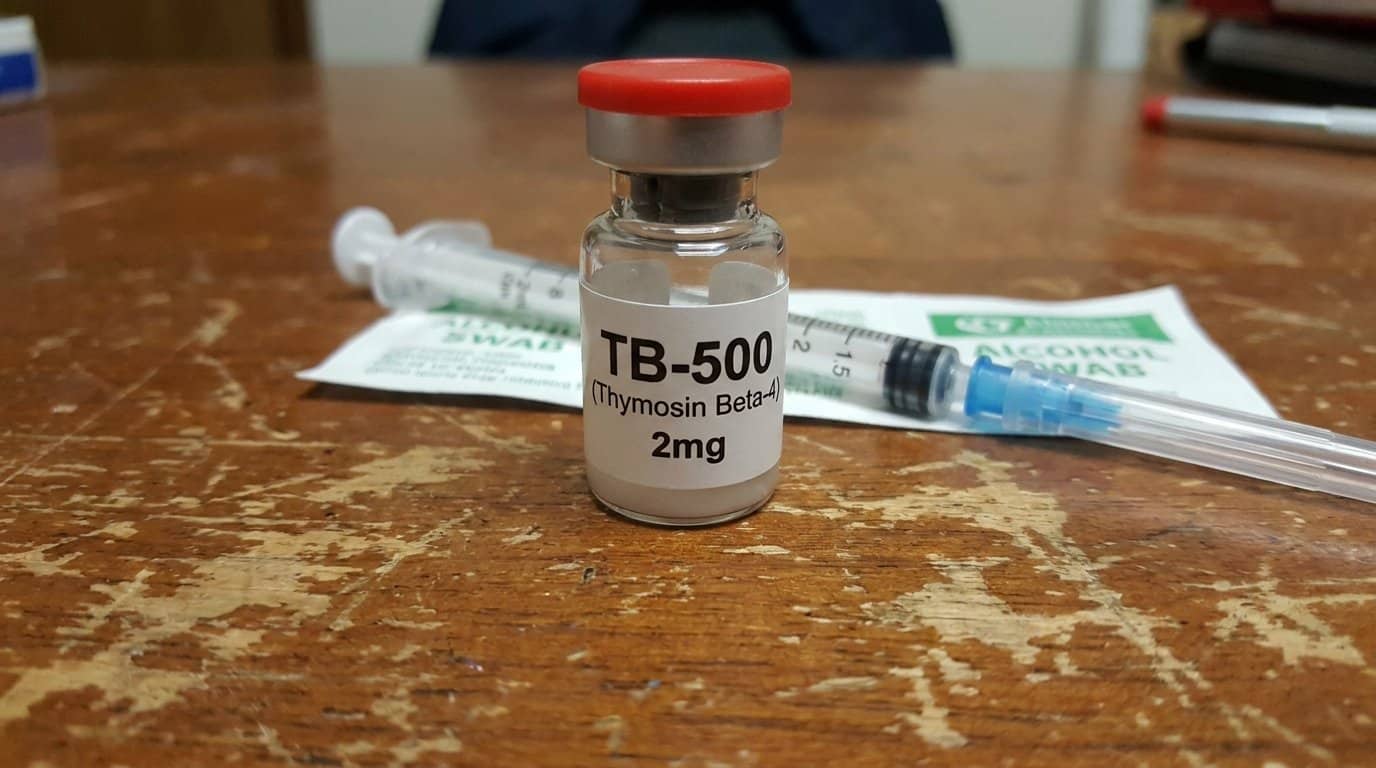
New rodent studies show TB-500 slashing infarct size by 43%, but the missing human data raises questions you need to explore.
How NAD+ drives cellular energy, sirtuin activation, and DNA repair, why it declines with age, and how NR and NMN are used to study it. Research use only.
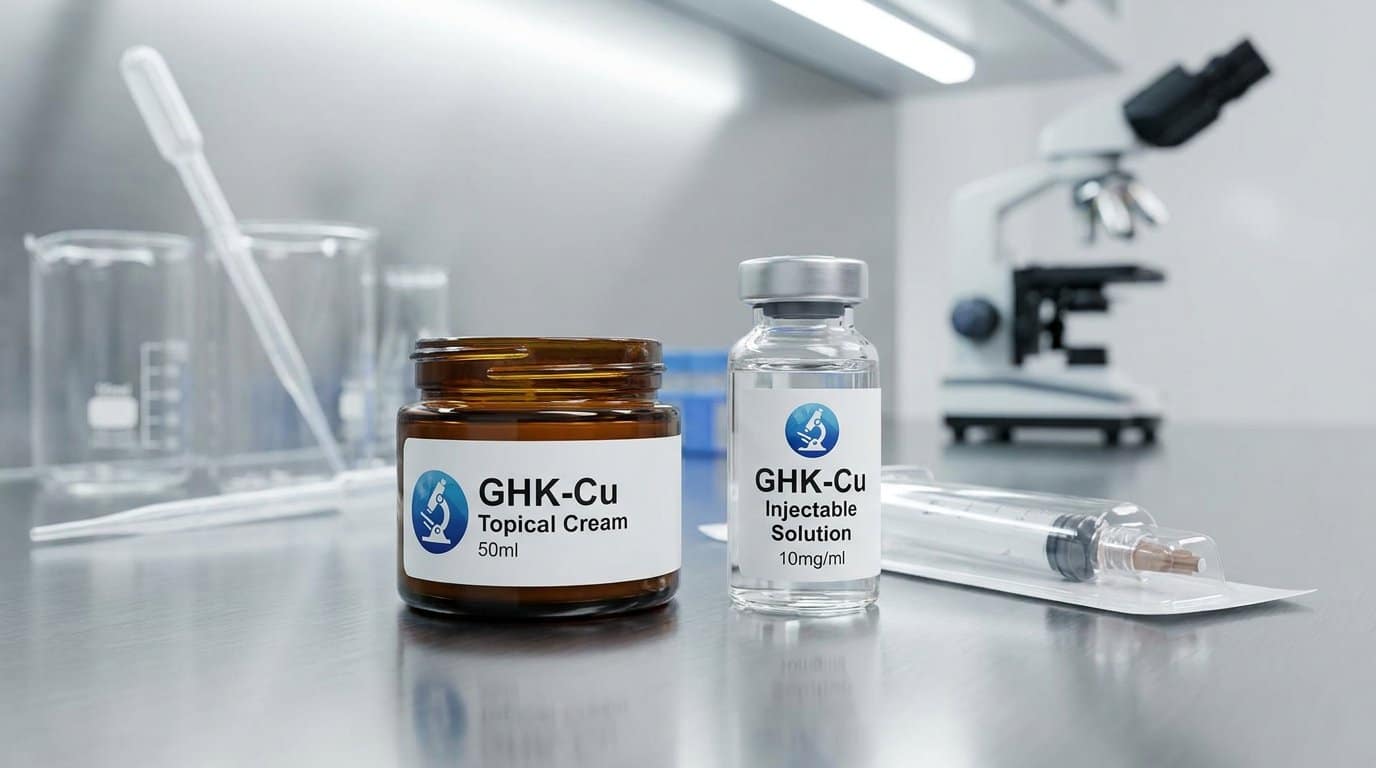
How GHK-Cu’s hydrophilicity, copper center, and chelation chemistry shape its skin permeation, carrier-system delivery, and storage stability in research.
A comprehensive guide to MOTS-c dosing, reconstitution, and storage protocols, but one critical step could compromise your entire experiment.
Mitochondrial aging depends on two molecules most people have never heard of, and their interaction changes everything researchers thought they knew.
NAD+ loses half its potency in just 24 hours under common lab conditions, but one overlooked buffer choice changes everything.
Know how a single copper tripeptide can reverse over 4,000 age-related gene changes, but the real surprise is what researchers found next.
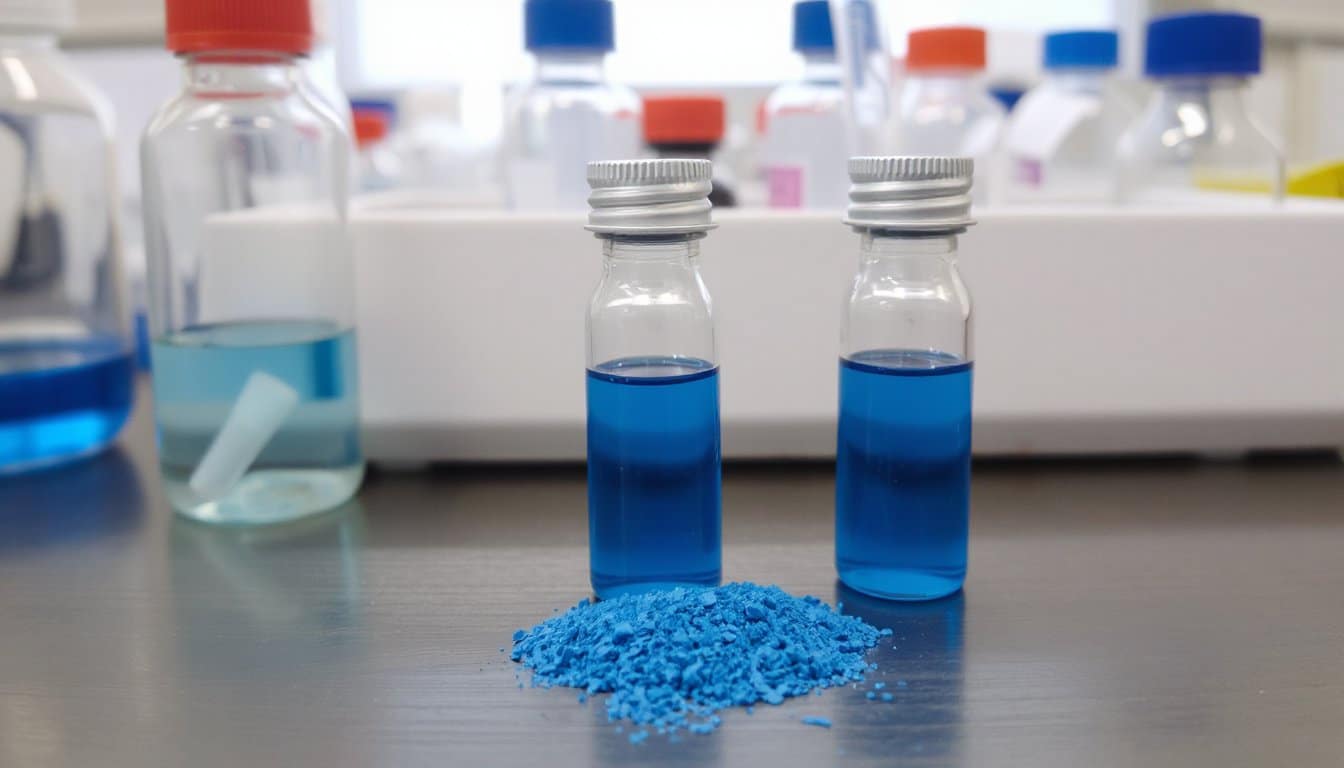
Studies show GHK-Cu can boost collagen synthesis by up to 70%, but the genetic mechanisms behind it may surprise you.
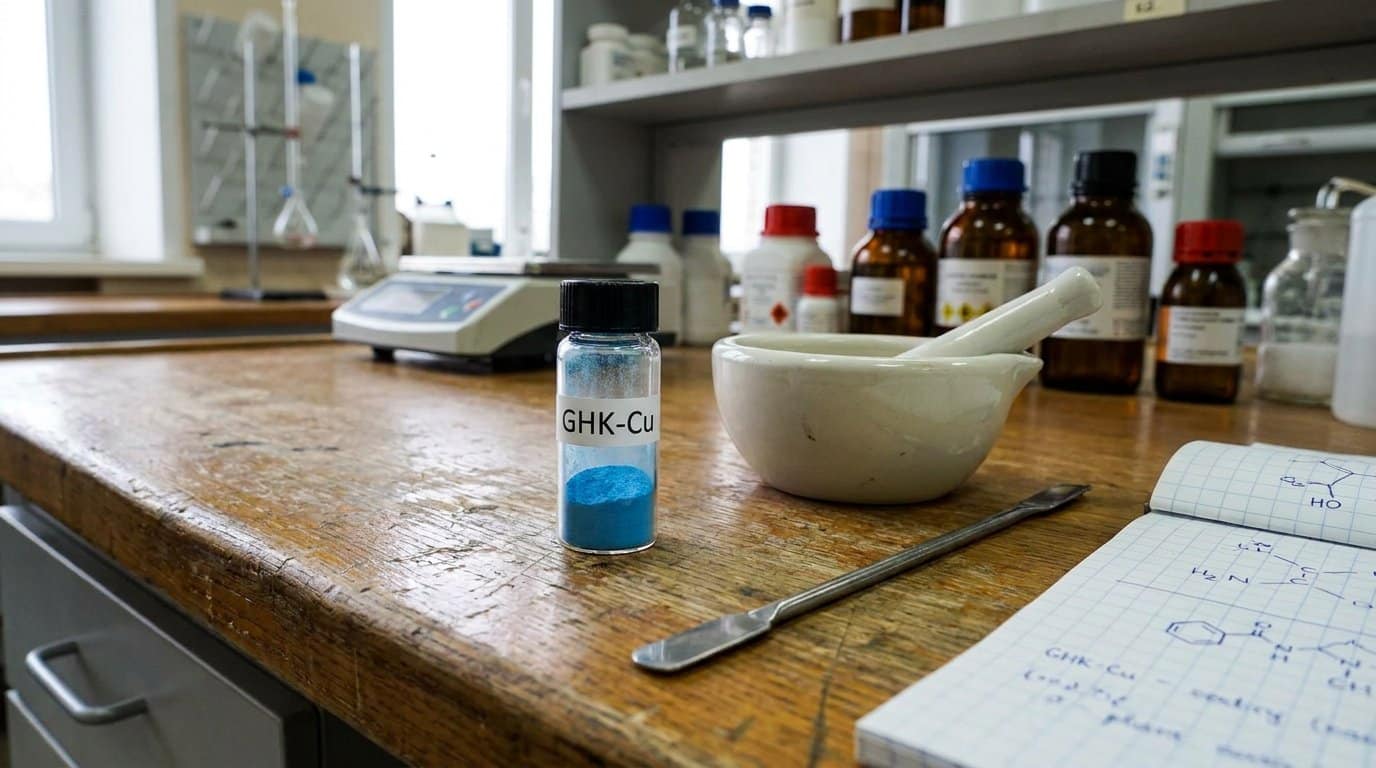
One powerful peptide influences thousands of genes tied to skin repair, but what researchers discovered next changes everything.