
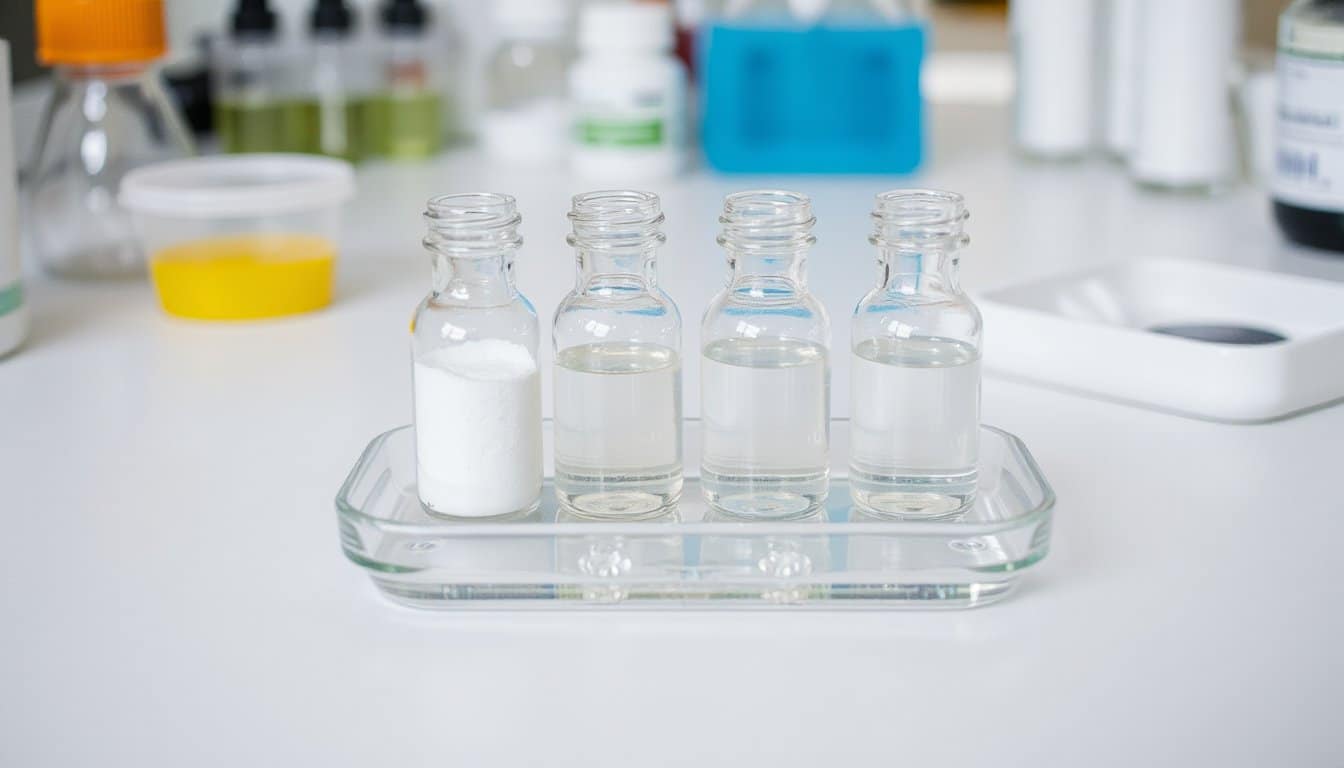
Peptide Storage & Handling
TB-500 Vial Reconstitution: Complete Lab Protocol Guide
TB-500 vial reconstitution protocol with aseptic steps, dilution guidance, QC checks, storage, and failure-mode controls for lab use.
TB-500 vial reconstitution protocol with aseptic steps, dilution guidance, QC checks, storage, and failure-mode controls for lab use.
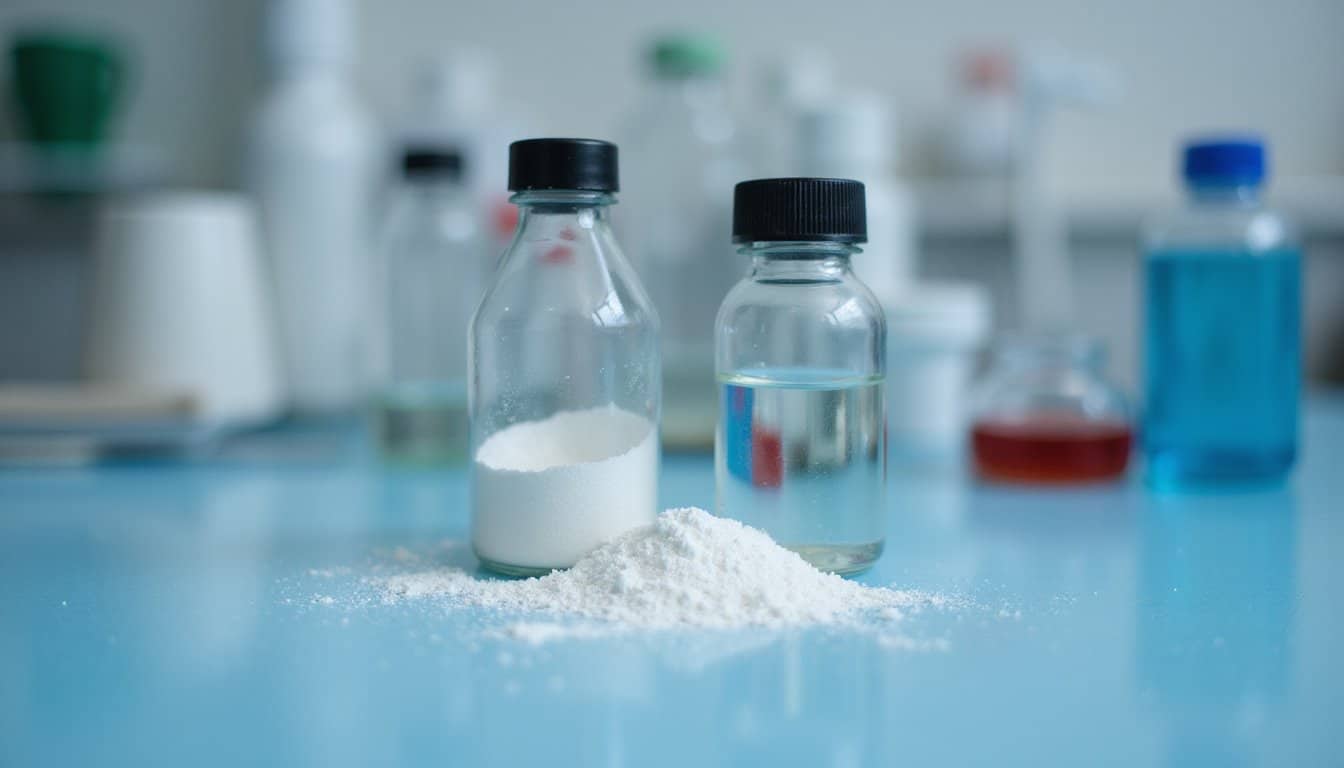
TB-500 peptide aqueous solubility testing methods to verify clarity, dissolved content, and factors affecting reliable results.
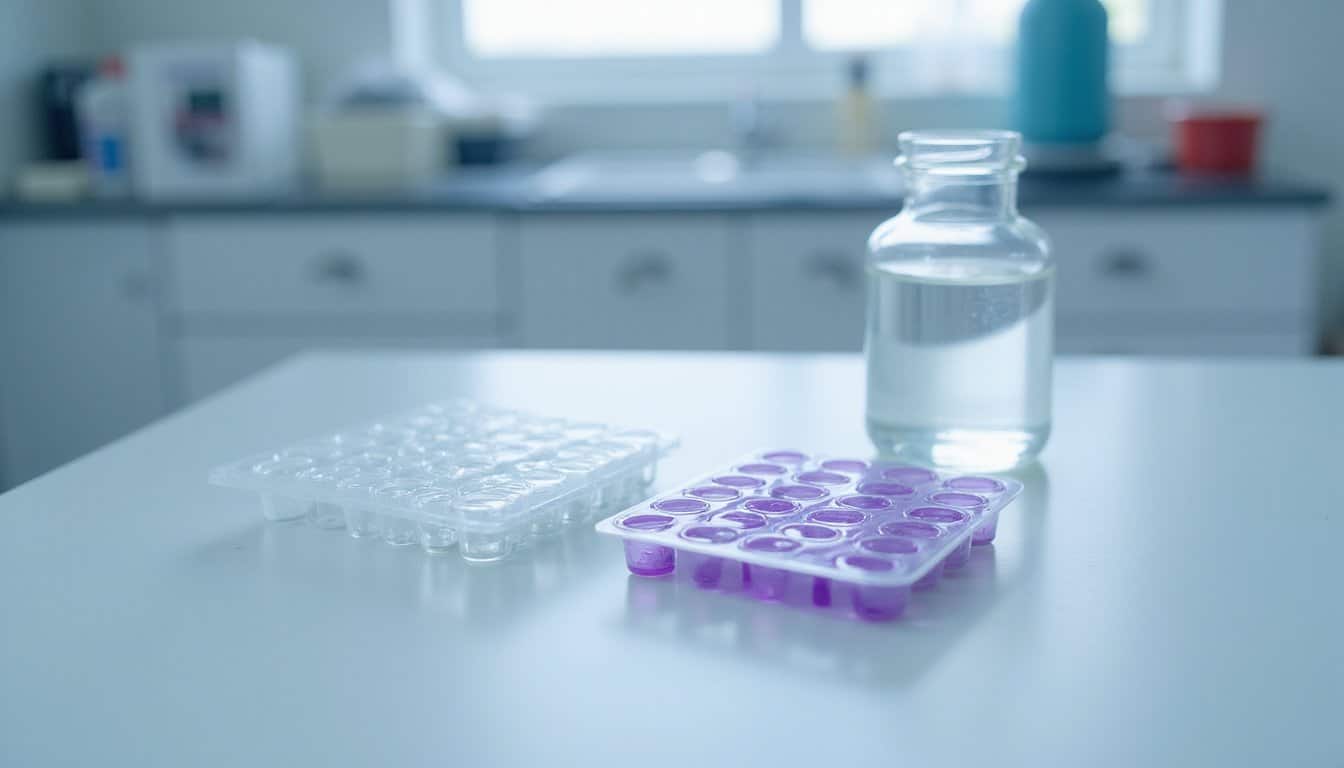
MTT cell viability assay methods for peptide screening with clear controls, interference checks, and IC50-ready viability calculations.
Peptide secondary structure analysis by CD explains how to measure, process, and interpret far-UV spectra for reliable folding insights.
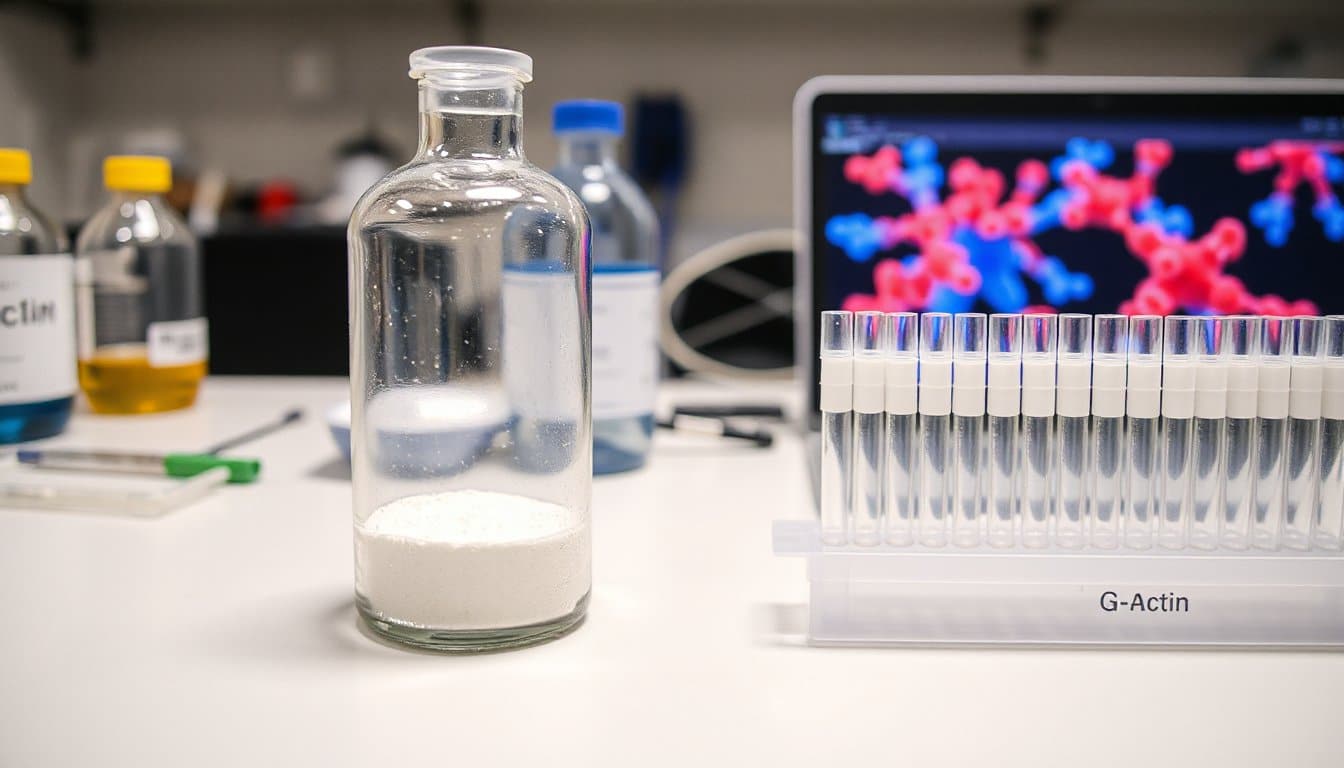
Thymosin beta-4 mechanism explains how actin sequestration controls monomer pools and supports cell repair through clear structural insight.
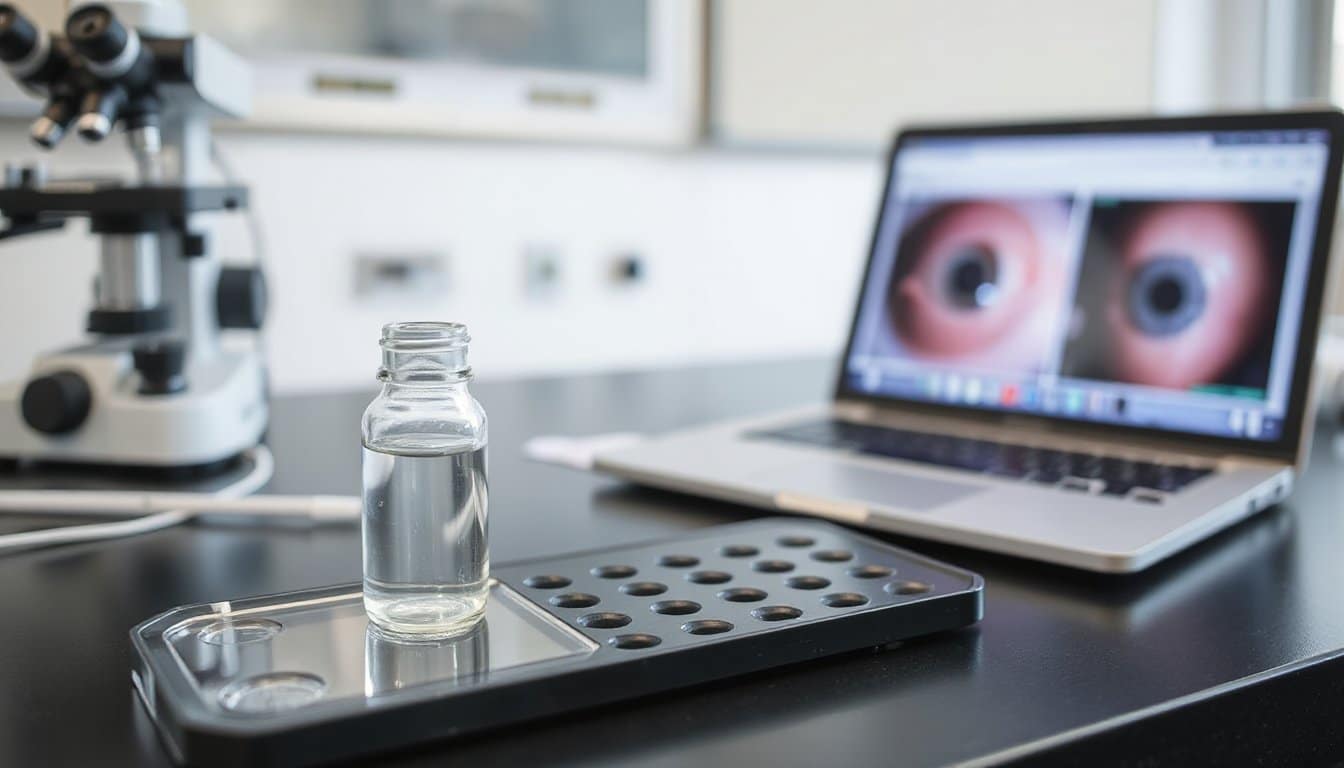
Thymosin Beta-4 supports corneal wound healing by promoting epithelial cell migration through actin regulation in HCE-T scratch assays.
DAC is a maleimidopropionyl linker that bonds covalently to Cys34, the one free thiol on albumin. Why that single addition changes plasma persistence by orders of magnitude, and what it leaves unchanged.
Sermorelin binds the GHRH receptor with reported low-nanomolar affinity. How saturation and competitive binding assays work, why IC50 is assay-dependent, and why affinity does not predict response.
Thymosin beta-4 remodels extracellular matrix by supporting cell migration, collagen organization, and balanced wound repair.

Lyophilized peptide stability guidance to control degradation risks and support reliable frozen shelf life decisions.