
Peptide Purity & Quality Testing
Mg and Mcg in Peptide Concentration Calculations
Peptide concentration calculations: convert mg to mcg accurately and avoid 1,000-fold dosing errors with clear unit-matching guidance.
For laboratory and research use only. Not for human consumption.
Peptide concentration calculations: convert mg to mcg accurately and avoid 1,000-fold dosing errors with clear unit-matching guidance.
Vial volume vs peptide mass explained: learn the difference so you can reconstitute accurately and calculate peptide concentration correctly.
Selank peptide mechanisms, benefits, and research applications in neuroactive, anxiolytic, and nootropic pathways explained clearly.
Selank research models show validated anxiolytic readouts, mechanisms, and dose-dependent effects across BALB/c mice and WAG/Rij rats.

Kisspeptin-10 and GnRH signaling explained: learn how KISS1R activation drives GnRH release and supports reproductive research.
Kisspeptin study design guidance for testing GnRH neuron activation, LH pulsatility, and hypothalamic versus pituitary effects.
Melanotan II receptor research explains MC1R, MC3R, MC4R, and MC5R activity to clarify pigmentation, appetite, and CNS effects.
MT-1 vs MT-2 receptor selectivity: choose the right melanocortin peptide for clearer MC1R-focused or pan-agonist research readouts.
Encapsulated TB-500 peptide formulation methods to compare carriers, loading controls, and release profiles for more stable delivery.
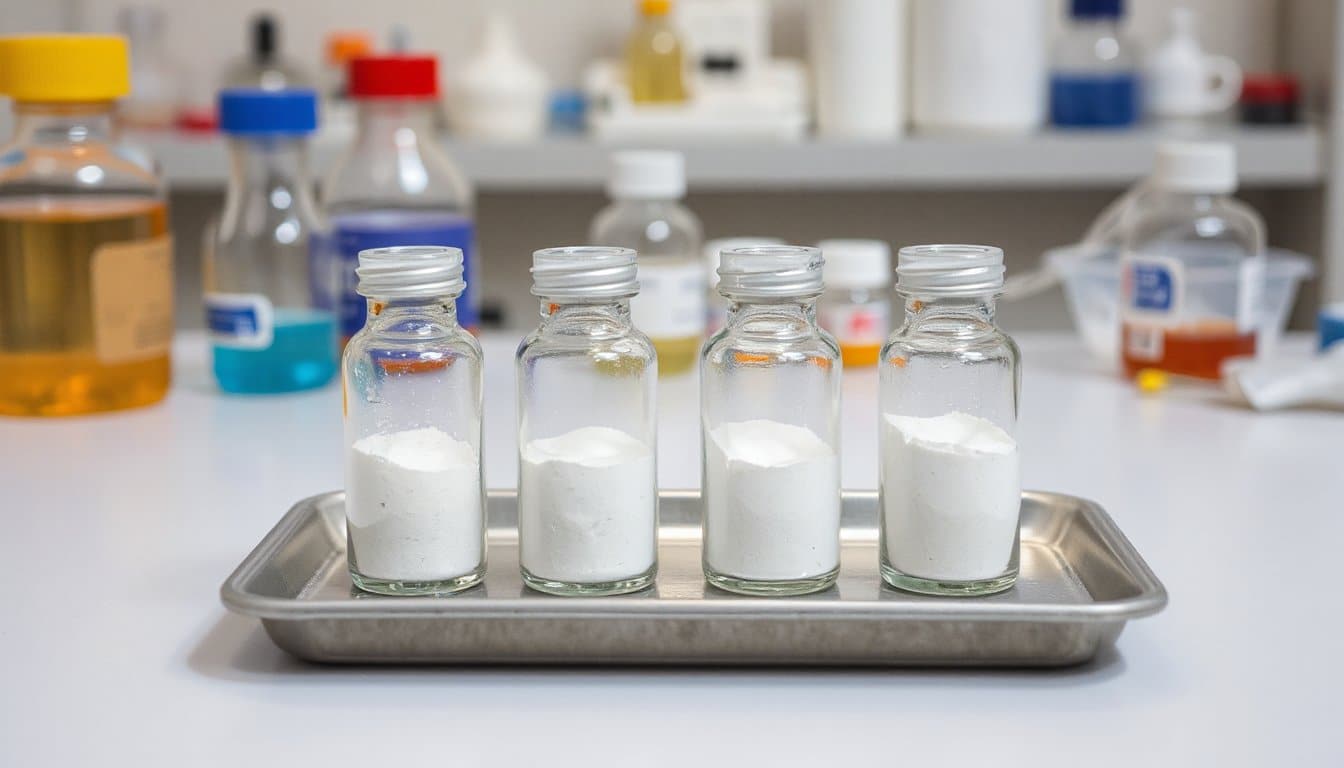
Lyophilized thymosin beta-4 stability: learn storage and testing requirements to support shelf-life claims with ICH-aligned data.