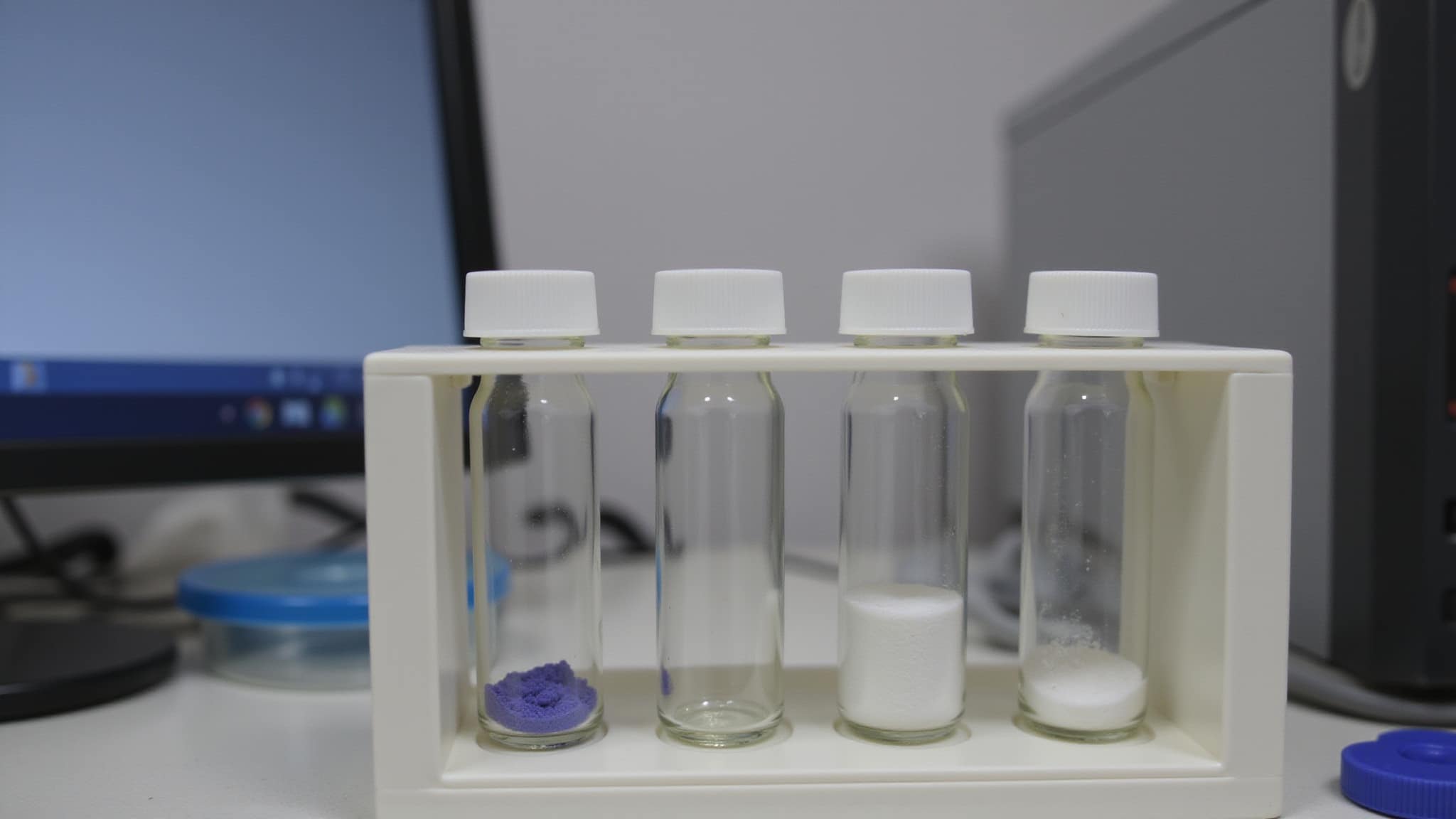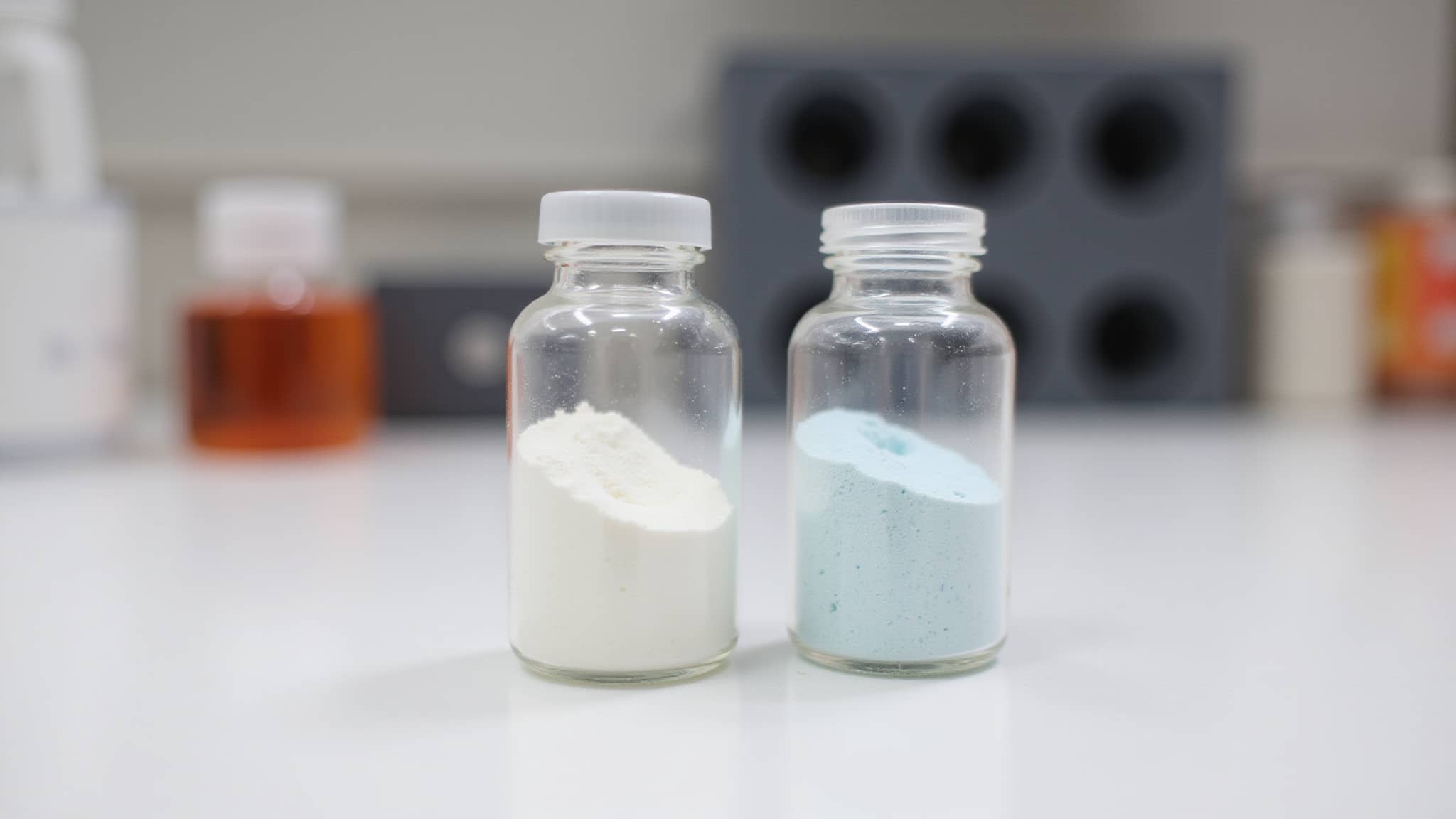
MOTS-c is a 16-amino-acid mitochondrial-derived peptide studied mainly in laboratory and animal research, where dosing is typically reported in milligrams per kilogram rather than as a human dose. Published mouse studies have used doses such as 5 mg/kg and 15 mg/kg, depending on the research model. Lyophilized MOTS-c is commonly stored around −20°C, while reconstituted laboratory solutions are generally kept at 2, 8°C. MOTS-c remains an experimental research compound and does not have an established approved human dosage.
MOTS-c Dosing Ranges Reported in Animal Studies

Published MOTS-c studies report dosing in milligram-per-kilogram terms in rodent models rather than as a fixed dose. Reported regimens span roughly 0.5 to 20 mg/kg per day depending on the study, with intraperitoneal injection the most common route and subcutaneous delivery, sometimes via osmotic minipump, also used. There is no validated human dose, and figures that circulate outside the primary literature generally come from non-validated extrapolation rather than controlled trials. Because these mg/kg values do not scale linearly across species, any research protocol should specify exact units, route, frequency, and duration for the model in use rather than relying on a universal standard.
Administration Routes Used in MOTS-c Research
In animal research, route of administration can influence MOTS-c dosage and timing by affecting absorption, tissue tolerability, and peak concentration. Intraperitoneal injection is most commonly reported in MOTS-c studies, while subcutaneous and minipump delivery are also used. Subcutaneous administration generally produces slower uptake because blood flow in fatty tissue is lower.
Subcutaneous Route Characteristics
The subcutaneous route appears in MOTS-c animal studies for several reasons relevant to data quality. It produces slower, sustained absorption through relatively avascular tissue, a depot effect that holds peptide levels more stable between doses, which suits study designs where steady exposure is the variable of interest. It also carries lower infection risk than intravenous routes, and localized reactions stay contained. Thymosin beta 4 cornea has shown promise in regenerative medicine, particularly in ophthalmology. Research indicates that it can enhance corneal wound healing and improve overall tissue repair.
For repeated-dosing designs, the subcutaneous route simplifies laboratory workflow by removing the need for skilled venous access, and osmotic minipumps allow continuous delivery in chronic protocols. Paired with correct storage, subcutaneous delivery supports consistent compound integrity and reproducible pharmacokinetic data across multi-week studies.
Intraperitoneal Route Characteristics
Intraperitoneal injection is the dominant route in the published MOTS-c metabolic and aging studies. It provides rapid access to the systemic circulation and accommodates the daily dosing schedules used in many rodent protocols. Because it bypasses first-pass hepatic metabolism, it supports the dose-dependent exposure that mechanistic study designs require.
As with any route, correct storage before administration, particularly avoiding freeze-thaw cycles, helps ensure that observed differences between conditions reflect genuine pharmacokinetics rather than compound degradation. Standardizing the route, volume, and timing across a study matters more for reproducible data than the choice of route alone.
Matching Route to Study Design
The route used in a study shapes the compound’s absorption kinetics, bioavailability window, and the quality of the resulting data. Subcutaneous and minipump delivery give slower, more gradual systemic uptake, which suits designs where sustained exposure is the variable of interest. Intraperitoneal injection supports the daily-dosing, rapid-access designs common in metabolic studies.
Route selection in research is matched to the pharmacokinetic profile the study requires. Whatever the route, standardizing administration site, volume, and timing is what supports reproducible data, rather than the route choice on its own.
Dosing Schedules and Study Durations in the Literature
Dosing frequency and overall study duration are the two variables that shape cumulative exposure in a model. Reported MOTS-c animal studies range from acute designs of a few days to chronic designs running several weeks, with both daily dosing and intermittent schedules such as three times per week documented in the aging literature.
Dosing Frequency in Study Designs
Dosing frequency in a study affects both exposure consistency and workflow. Daily intraperitoneal dosing is common in shorter mechanistic studies, while intermittent schedules appear in longer aging-focused designs, including late-life intermittent treatment three times per week in aged mice. Anchoring administration to a consistent schedule reduces missed or duplicated doses in the experimental record.
Protocol documentation should specify dose, route, schedule, and how missed administrations are handled, so that data integrity holds across the study. These are record-keeping and design considerations for a model, not directions for use.
Study-Duration Ranges
Documented MOTS-c study durations span short acute windows of several days, medium designs of two to four weeks, and longer chronic designs extending across multiple weeks. Acute studies, such as four to seven days of dosing, are common for mechanistic endpoints like insulin-stimulated glucose uptake, while longer designs assess physical capacity and metabolic phenotypes in aged models. Mots c in aging and longevity research emphasizes the importance of understanding the biological mechanisms that underpin aging processes.
Total exposure is tied to the study objective rather than a fixed standard. Longer designs in the aging literature often use intermittent dosing blocks rather than continuous administration, which is one way researchers manage cumulative exposure while assessing durable effects.
Intermittent Dosing in Long-Duration Studies
In longer aging studies, intermittent dosing schedules are used to assess whether observed metabolic changes persist between dosing blocks. The table below summarizes how these design variables are typically described in the literature.
| Design Parameter | Reported in Studies |
|---|---|
| Acute design | ~4 to 7 days of dosing for mechanistic endpoints |
| Intermittent design | Three times per week in aged-mouse studies |
| Monitored endpoints | Glucose handling, body composition, physical capacity in models |
| Assessment basis | Response evaluation against study objective |
Mild effects noted in models during dosing, such as injection-site reactions, are recorded as part of the tolerability assessment. These intervals function as design choices for evaluating durability of response rather than as a fixed pharmacologic requirement.
How MOTS-c Activates AMPK to Drive Fat Oxidation
MOTS-c drives fat oxidation primarily by activating AMP-activated protein kinase (AMPK), the cell’s central energy sensor that redirects metabolism toward ATP-generating pathways when energy status falls. Mechanistically, MOTS-c inhibits the folate cycle, which triggers accumulation of AICAR, a well-characterized endogenous AMPK activator. This cascade links MOTS-c to increased beta-oxidation of fatty acids and reduced tissue lipid accumulation in study models. NAD plus benefits for cellular energy are becoming increasingly recognized for their role in enhancing metabolic processes. By supporting mitochondrial function, NAD+ can improve overall energy levels and promote endurance.
AMPK activation also increases glucose uptake, improving metabolic flexibility, the capacity to switch between carbohydrate and lipid fuels based on availability. In obese mouse models, exercise-induced upregulation of MOTS-c correlated with increased PGC-1α, GLUT4, and AMPK phosphorylation in skeletal muscle. These findings position AMPK as the primary effector behind the exercise-mimetic metabolic phenotype reported in the research.
What Is MOTS-c and Why Does It Matter?

MOTS-c is a 16-amino acid peptide encoded within the mitochondrial genome rather than nuclear DNA, derived from a short open reading frame in the 12S rRNA region. It is classified as a mitochondrial-derived peptide (MDP) and acts as a signaling molecule that coordinates energy balance between mitochondrial and nuclear gene expression.
| Feature | Detail |
|---|---|
| Sequence | MRWQEMGYIFYPRKLR |
| Primary Target Tissue | Skeletal muscle |
| Key Pathway Activated | AMPK signaling |
In research models, MOTS-c activates AMPK, influences glucose utilization, and modulates fatty acid metabolism. Preclinical data link it to improved insulin sensitivity, greater exercise capacity, and favorable body composition changes in animal models. Evidence outside of animal and early-stage studies remains limited.
How MOTS-c Peptide Is Reconstituted in the Lab
In laboratory practice, the lyophilized MOTS-c vial is taken from frozen storage and left sealed to equilibrate to room temperature, which prevents condensation from contaminating the powder. Both the peptide vial stopper and the bacteriostatic water vial are sanitized with alcohol and allowed to air dry before puncture.
The peptide is reconstituted by adding bacteriostatic water to the lyophilized vial, with the diluent directed slowly down the inner vial wall rather than onto the powder. The general handling steps are:
- Direct the diluent slowly down the inner vial wall, never onto the powder directly
- Gently swirl or roll the vial rather than shaking, until the solution clears completely
- Inspect for full clarity with no cloudiness or visible particulates
- Label immediately with the reconstitution date and concentration
The concentration of the resulting solution depends on the mass of peptide in the vial and the volume of diluent added, and is recorded so that the prepared material can be tracked for stability across the study.
Storage Conditions That Prevent Peptide Degradation

Once MOTS-c is reconstituted, storage becomes the main factor in whether the peptide keeps its biological activity across a study timeline. Three variables drive degradation: temperature, light exposure, and post-reconstitution handling. Each accelerates breakdown through a distinct mechanism, including hydrolysis, photodegradation, and oxidation. Setting these conditions correctly from the start prevents the silent deterioration that can compromise data weeks into a protocol.
Temperature Control Best Practices
Because MOTS-c degrades through hydrolysis and oxidation pathways that speed up as temperature rises, thermal control at every stage determines compound integrity and data reliability. Useful measures include:
- Store lyophilized MOTS-c at -20°C minimum, reserving -80°C for storage beyond 12 months
- Keep reconstituted solution at 2 to 8°C only within the validated 2 to 3 week usable window
- Freeze aliquots at -80°C when longer-term storage of reconstituted material is needed
- Thaw frozen aliquots at 4°C under controlled conditions rather than at ambient temperature
Dedicated cold storage units that are not opened frequently help, since repeated door opening introduces temperature swings that erode peptide stability over time.
Avoiding Light Exposure
Light exposure is a third degradation pathway alongside temperature and moisture, eroding MOTS-c through photochemical oxidation at aromatic and sulfur-containing residues in the peptide chain. UV and visible light speed structural breakdown and alter potency, color, and solution clarity over time.
Lyophilized MOTS-c should be kept in amber vials or opaque containers within dark freezer compartments. Where amber vials are not available, wrapping containers in aluminum foil blocks photodegradation. During handling, keeping vials sealed until immediately before use and working away from direct overhead lighting limits benchtop exposure.
Combining light protection with airtight sealing and desiccation gives the best preservation. Vials returned to dark storage immediately after each use limit cumulative photochemical damage.
Post-Reconstitution Handling Tips
Storage of lyophilized material addresses degradation before the vial is opened, but reconstitution changes the stability picture. In solution, MOTS-c faces hydrolysis, oxidation, and microbial contamination at the same time. The following post-reconstitution steps help: GhK-cu stability in research has become a significant focus due to the compound’s potential therapeutic applications. Recent studies have demonstrated how environmental conditions can impact this stability, prompting further investigation into optimal storage solutions.
- Aliquot into single-use volumes to cut repeated container access and hold concentration accuracy across experiments
- Store short-term aliquots at 2 to 8°C for use within a 2 to 4 week window, and move anything beyond that to -20°C or -80°C
- Limit freeze-thaw cycles to three or fewer, since repeated cycling promotes aggregation and activity loss
- Minimize headspace in storage vials to reduce oxidation at the air-liquid interface
Treating each aliquot as expendable after a single thaw preserves functional integrity.
MOTS-c Reported Effects in Research
MOTS-c has shown a favorable tolerability profile in preclinical research, but its effect spectrum outside animal models is not well characterized. The FDA has stated that no human exposure data exist for drug products containing this peptide. The categories below summarize effects reported in the research and regulatory record.
| Category | Reported in Models |
|---|---|
| Injection-related | Site redness, swelling, localized reaction |
| Metabolic | Appetite changes, glucose-lowering signals |
| Systemic | Fatigue, nausea, flushing reported in models |
| Unknown/Long-term | Interactions with AMPK-targeting compounds, cumulative profile |
In study designs, severity progression is monitored rather than assumed to be transient. Glucose-lowering signals appear stronger in models combined with other glucose-lowering agents or fasting conditions. Compound purity remains a critical variable, and the FDA has flagged peptide-related impurities as a recognized concern. The related analog CB4211 was safe in a short-term study, though persistent injection-site reactions were common. Retatrutide vs semaglutide which is better is a question that many healthcare professionals are asking as they explore treatment options.
Limitations and Data Gaps in MOTS-c Research
MOTS-c lacks FDA approval and has no established clinical trial data confirming a safety profile. Reproductive-safety data for mitochondrial peptides do not exist. The research record notes several areas of limited or conflicting data:
- Reproductive models: developmental exposure effects remain uncharacterized, with no reproductive-safety data for mitochondrial peptides
- Oncology models: MOTS-c’s metabolic activity produces mixed signals, with anti-tumor effects reported in ovarian cancer models alongside theoretical concerns in other metabolically active tumors
- Renal and hepatic impairment models: reduced peptide clearance increases accumulation risk, and no validated dose-adjustment data exist
- Glucose-lowering compound overlap: AMPK-mediated overlap with agents such as metformin or thiazolidinediones complicates the interpretation of glucose data
MOTS-c is also listed on the WADA Prohibited List under the metabolic modulators category, which is relevant to research involving sport-related testing.
Key Endpoints Measured in MOTS-c Studies
Five core marker categories give the clearest picture of how MOTS-c affects metabolic function in a study: glycemic control, insulin response, body composition, endurance performance, and safety labs.
For glycemic control, models track fasting glucose, postprandial glucose, and HOMA-IR. Pairing fasting insulin with glucose assesses metabolic efficiency, since lower insulin at equivalent glucose signals improved sensitivity.
Body composition is tracked through body-fat percentage and lean mass rather than weight alone, with waist circumference capturing central adiposity shifts more sensitively in applicable models.
Endurance endpoints include time-to-exhaustion, repeated-sprint output, and perceived exertion at fixed workloads.
Safety labs include ALT, AST, creatinine, BUN, and a lipid panel at baseline and at intervals. Homocysteine is worth adding given MOTS-c’s mechanistic link to folate-cycle metabolism.
Shop Research Peptides at Holas Today
If you are looking for laboratory-grade peptides that are properly handled, securely packaged, and shipped with care, Holas has you covered. We provide research-grade peptides with third-party tested purity, reliable packaging standards, and fast shipping to support your research needs. Browse our full catalog or contact us to find the right materials for your research today. All products are for laboratory research use only and are not for human or veterinary use.
Frequently Asked Questions
Can MOTS-c Be Combined With Other Peptides Like BPC-157 or CJC-1295 in Research?
MOTS-c can be combined with BPC-157 or CJC-1295 in a study design, but no robust clinical evidence validates these combinations. Direct combination trials do not exist, and available data remains preclinical and largely theoretical. Each peptide targets a distinct pathway, mitochondrial metabolism, tissue repair, and GH secretion respectively, so combining them adds protocol complexity without proven synergy. Any multi-peptide design should be treated as experimental, with additive adverse-effect risk accounted for and combination safety profiles recognized as uncharacterized.
Does MOTS-c Show Up on Standard Athletic Anti-Doping Drug Tests?
MOTS-c can be detected on anti-doping tests when laboratories use targeted LC/MS methods validated to WADA standards. It is prohibited at all times under WADA’s metabolic modulators category. Routine urine screens will not necessarily catch it, since detection depends on whether the lab includes MOTS-c in its test menu and on timing relative to sample collection. Targeted peptide testing capability has improved considerably, so it should not be assumed undetectable.
How Quickly Do Metabolic Changes Appear in MOTS-c Studies?
In animal models, early metabolic signals such as changes in glucose handling and insulin sensitivity have been reported within roughly the first week of dosing in acute designs. Measurable shifts in body composition and physical capacity generally require several weeks of consistent dosing in the model. Response varies with the baseline metabolic state of the animals, and these timeframes describe study observations rather than expected outcomes for any individual.
Is MOTS-c Active by Oral Route Instead of Injection?
Oral MOTS-c is unlikely to be active. As a 16-amino acid peptide, it is rapidly degraded by stomach acid and digestive enzymes before meaningful absorption can occur. Published preclinical studies showing metabolic effects, including improved insulin sensitivity and glucose utilization, consistently use intraperitoneal or subcutaneous injection rather than oral delivery. No peer-reviewed data confirm oral bioavailability or equivalent systemic exposure. Without a specialized delivery system, the systemic levels needed for the documented AMPK-mediated effects are not reached.
How Is a Missed Administration Handled in a MOTS-c Study?
When a scheduled administration is missed in a study, the standard approach is to record it and resume on the next scheduled point rather than compressing doses. A single missed point is unlikely to disrupt measured endpoints such as insulin sensitivity or metabolic flexibility in most designs. The missed date, the actual administration date, and any protocol deviations are documented to preserve data integrity. Where several consecutive administrations are missed, re-baselining is more appropriate than simply resuming.
MOTS-C Dosage and Cycle Length Affect Endpoint Sampling Intervals?
Yes. Sampling intervals should match the dosing schedule and the biological endpoint being measured. There is no single validated sampling interval for MOTS-C studies, so researchers may collect data before dosing, shortly after administration, or at defined weekly endpoints depending on the study design.
MOTS-C Dosage and Storage Require Labeling After Reconstitution?
Yes. Reconstituted samples should be labeled with the peptide name, concentration, reconstitution date, solvent, and storage condition. For example, a vial prepared at 5 mg/mL should clearly state that concentration to reduce dosing and handling errors during the study.
MOTS-C Dosage and Reconstitution Account for Peptide Loss During Preparation?
Yes. Peptide loss can occur through adsorption to vial surfaces, incomplete dissolution, or transfer between containers. Because there is no universal percentage correction for MOTS-C loss, researchers should avoid adding an assumed extra amount unless recovery has been measured experimentally.
MOTS-C Dosage and Timing Differ Between Acute and Chronic Study Designs?
Yes. Acute studies may evaluate responses after a single administration, while chronic studies use repeated dosing over days or weeks. The timing should follow the specific experimental protocol because there is no universally established MOTS-C dosing schedule across all study models.