Vial volume and peptide mass differ because they measure entirely different properties. Your vial’s capacity (mL) describes how much liquid the container holds, while peptide mass (mg) quantifies the lyophilized peptide sealed inside. A “3 mL vial” holding “5 mg” tells you nothing about concentration, dry powder has zero concentration until you add diluent. Concentration only emerges when you divide mass by diluent volume. Understanding this distinction enables accurate reconstitution and dosing calculations below. How to calculate peptide concentration requires knowing both the peptide mass and the total volume of the solution after dilution.
Key Takeaways
- Peptide mass (mg) measures the total lyophilized peptide sealed inside, while vial volume (mL) measures the container’s maximum liquid capacity.
- A “5 mg” label quantifies peptide amount only, revealing nothing about container size or concentration.
- A “3 mL vial” indicates holding capacity only, revealing nothing about active peptide content.
- Dry peptide has mass but zero meaningful concentration until diluent is added during reconstitution.
- Concentration emerges only after reconstitution, calculated as peptide mass divided by diluent volume (e.g., 5 mg ÷ 1 mL = 5 mg/mL).
Why do vial volume and peptide mass differ

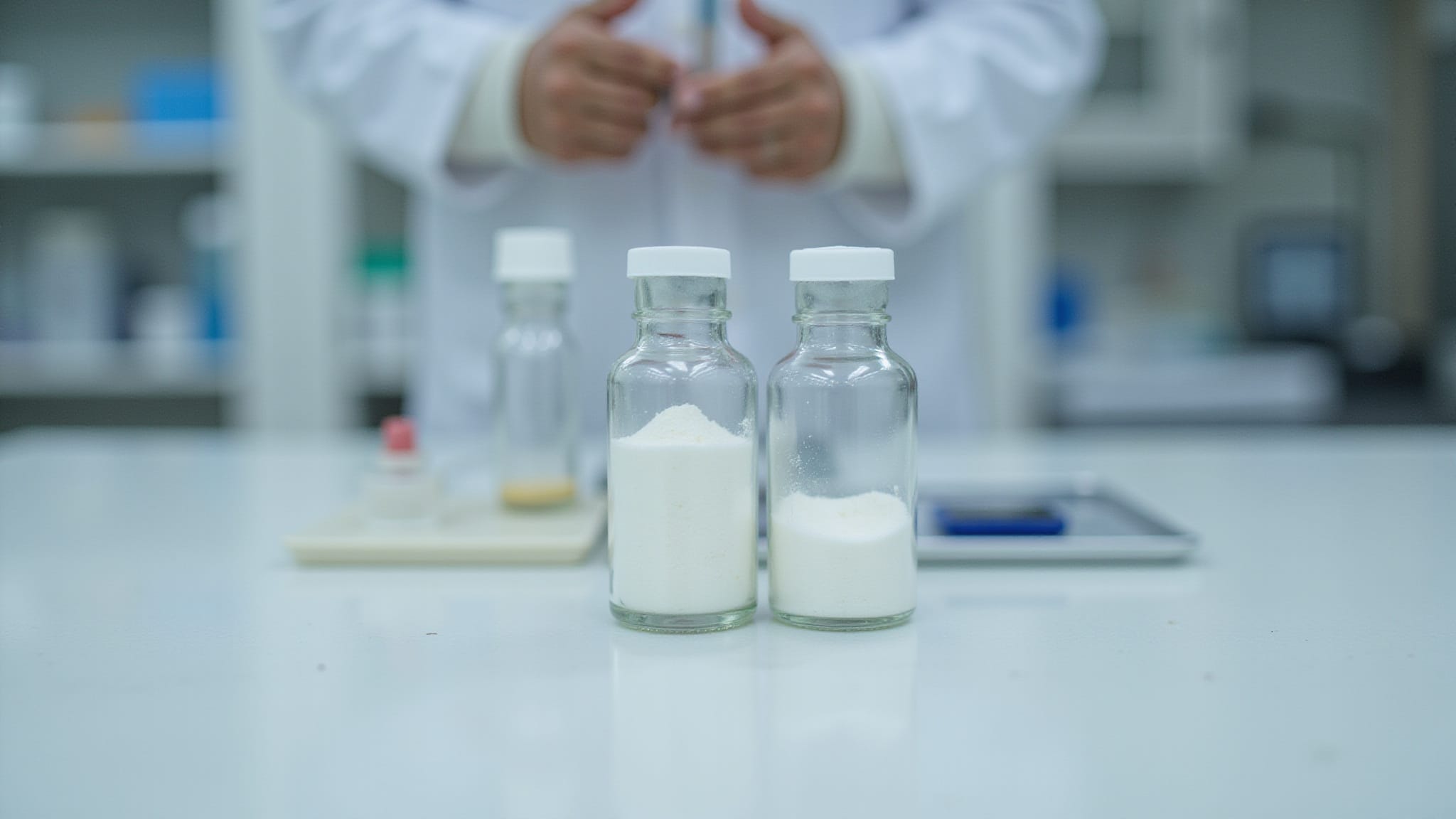
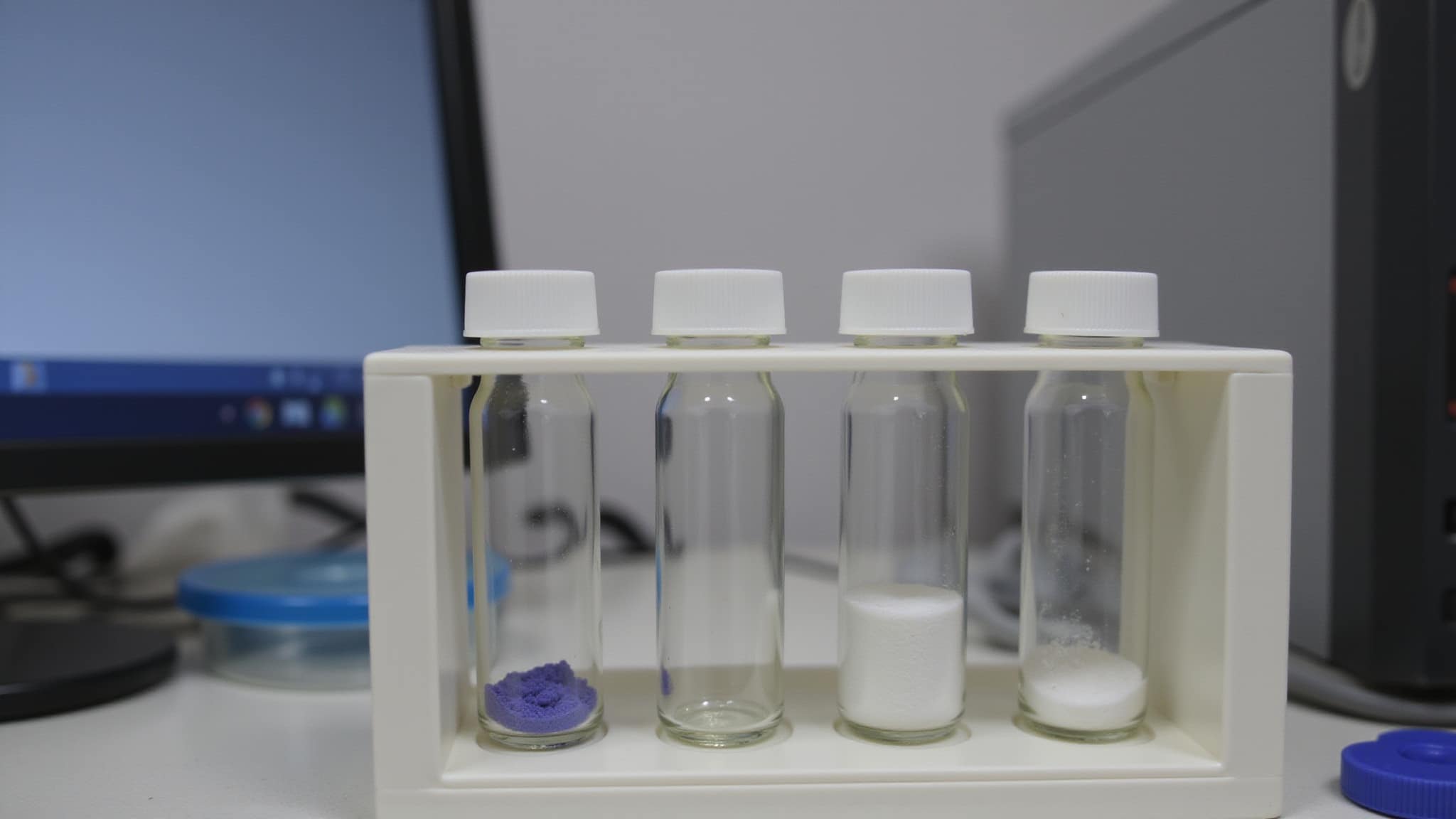
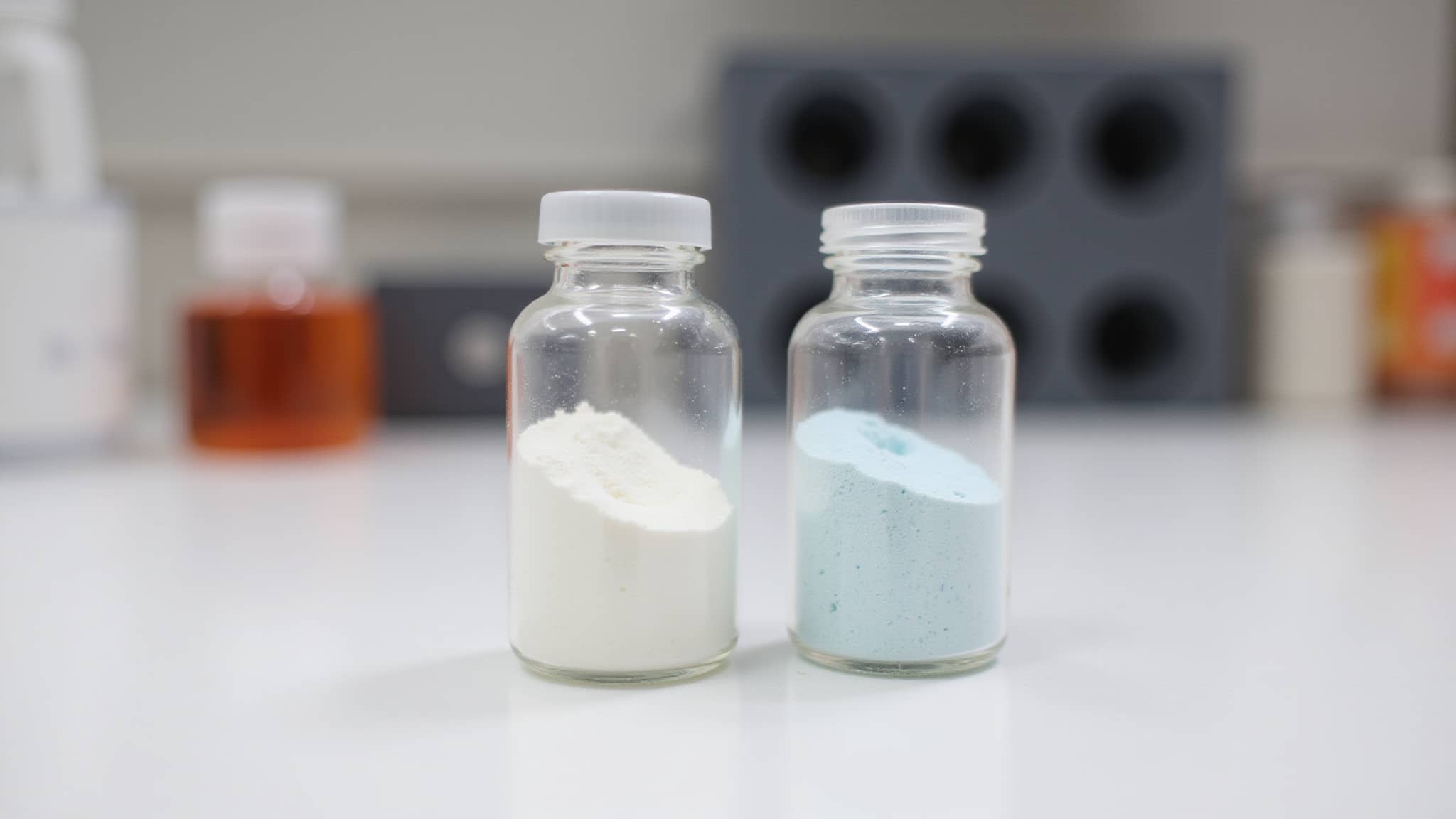
Vial volume and peptide mass differ because they measure entirely different properties. Milligrams quantify the lyophilized peptide’s mass, while vial size describes the container’s liquid capacity. A 5 mg label tells you nothing about the vial’s milliliter rating, and a 3 mL vial reveals nothing about active peptide content. Dry powder has zero concentration until you add diluent. Appearance won’t help you, bulking agents can make vials with different mg loads look identical.
| Property | What It Measures |
|---|---|
| Peptide mass (mg) | Total lyophilized peptide amount |
| Vial capacity (mL) | Maximum liquid the container holds |
| Powder volume | Bulk, not active content |
| Concentration | Mass ÷ diluent volume |
| Appearance | Nothing reliable |
Separate these variables, or concentrations will be miscalculated.
What is peptide mass in a vial
Peptide mass in a vial is the total lyophilized peptide amount sealed inside. If the label says “5 mg,” that number quantifies mass, not volume, not concentration, and not container capacity. The dry powder holds no concentration at all until you add diluent, it’s simply a fixed quantity of peptide molecules waiting for reconstitution. Volumetric measurement units in peptide reconstitution are crucial for accurately preparing solutions. It’s important to convert the mass of the peptide into the appropriate volume based on the desired concentration.
Don’t confuse this mass with the powder’s apparent volume. Some formulations include bulking agents, so two vials can display nearly identical powder while containing different active peptide amounts. Visual inspection won’t tell you what’s actually inside.
The 5 mg stays constant regardless of how you handle it. Add 1 mL or 5 mL of bacteriostatic water, and you’ve still got exactly 5 mg of peptide, only the concentration changes. Using a peptide reconstitution calculator can help you determine the precise concentration after adding the bacteriostatic water. This ensures that you achieve the desired dosage for your specific requirements.
What is reconstituted volume
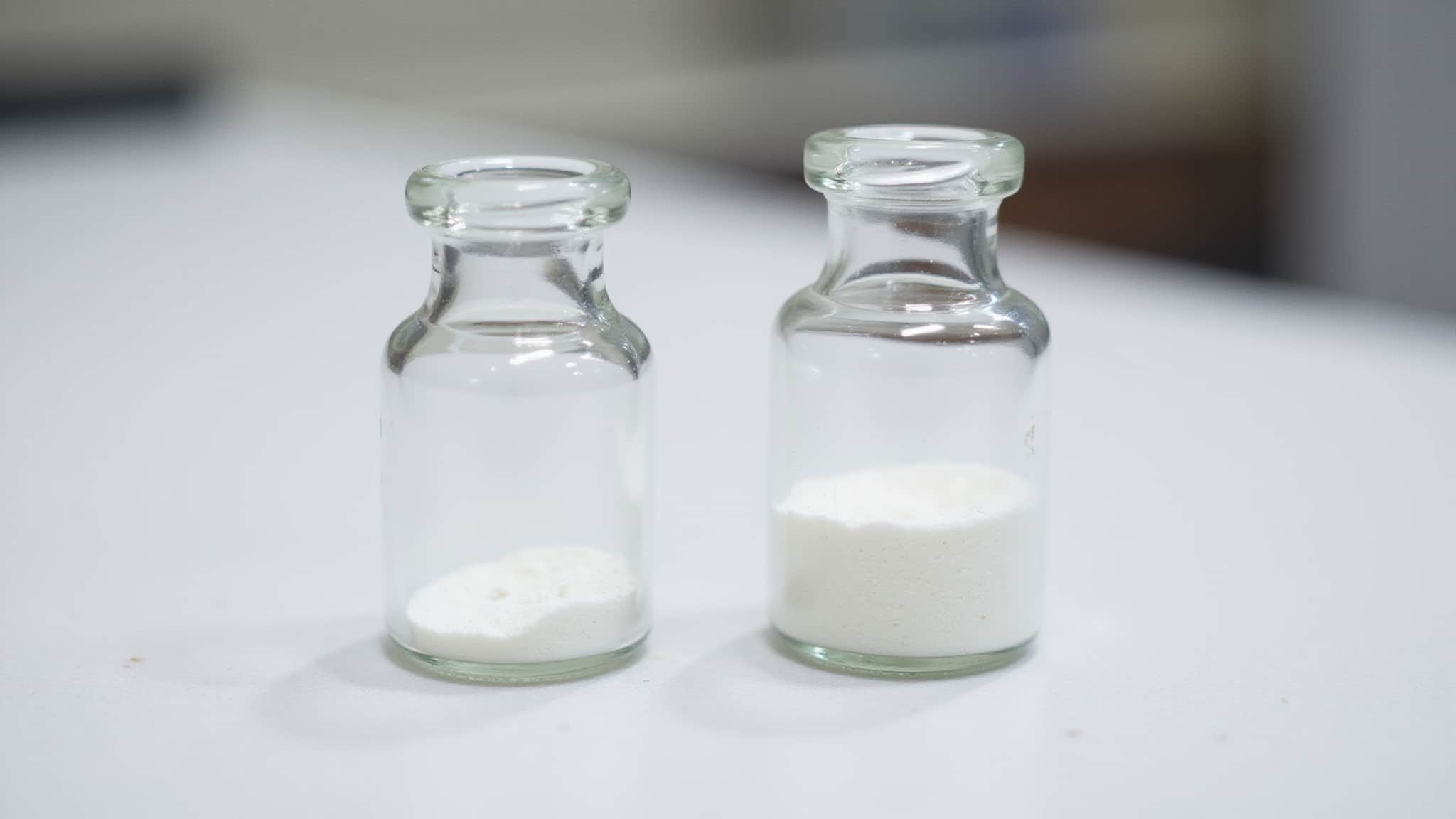
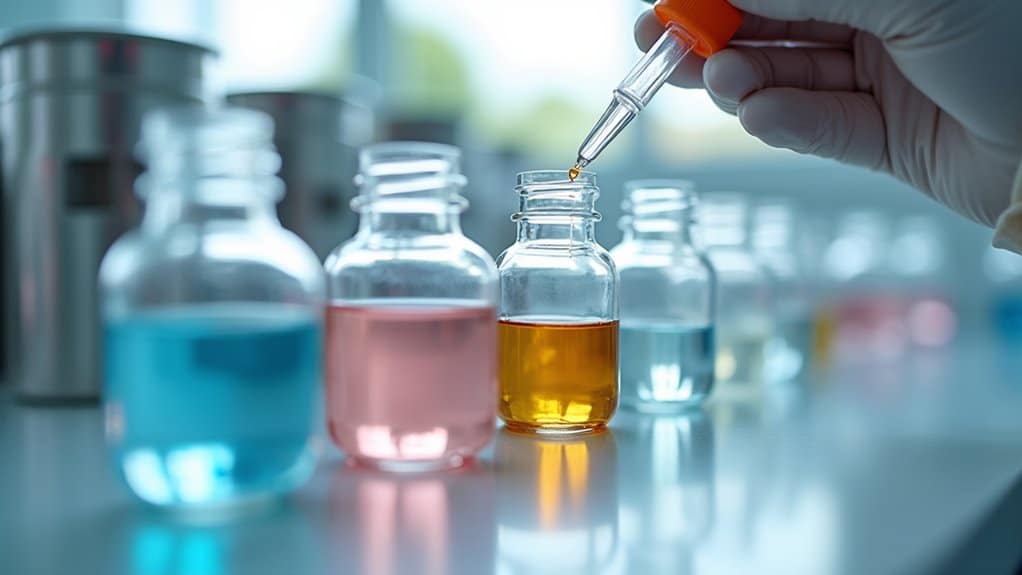
Reconstituted volume is the amount of diluent you add to dissolve the lyophilized peptide. It is the variable that transforms a fixed mass into a usable concentration. Injecting bacteriostatic water into the vial does not change the peptide mass, that stays constant. It defines concentration through the relationship concentration = peptide mass ÷ diluent volume. Add 1 mL to a 5 mg vial, and you get 5 mg/mL. Add 2 mL instead, and you halve it to 2.5 mg/mL. The mass didn’t move, only the denominator did. This means you control the final strength directly by choosing your reconstitution volume. Plan it deliberately, because it dictates every subsequent dose calculation and determines how many units are drawn per measured aliquot.
Why are mass and volume not the same
Mass and volume are not the same because they measure different physical properties. Mass quantifies the amount of peptide present, expressed in milligrams, while volume describes the space a substance occupies, expressed in milliliters. When you read “5 mg” on a vial, you’re seeing total lyophilized peptide mass, not container capacity or liquid quantity. A dry peptide has mass but no meaningful concentration until you add diluent. Only then does volume enter the equation, and concentration emerges as mass divided by volume. Because you control the diluent volume during reconstitution, you determine the resulting concentration independently of the fixed peptide mass. So the same 5 mg yields different concentrations depending on how much liquid you add.
How does confusing them cause calculation errors

Confusing vial size with peptide mass causes calculation errors because it puts the wrong value into the concentration formula. When you treat a “5 mL vial” as if it means 5 mg of peptide, you assign a nonexistent mass to a container capacity. Your concentration calculation, mass ÷ diluent volume, then produces a false value, since you’ve substituted volume for mass in the numerator. Every downstream step inherits that error. The prepared volume, calculated as desired dose ÷ concentration, scales incorrectly, and your U-100 syringe measurement no longer delivers the intended peptide amount. Because 1 unit equals 0.01 mL regardless of content, the same mark now dispenses the wrong mass. You can’t recover accuracy until you separate container capacity from lyophilized peptide mass explicitly.
How to keep mass and volume straight in research prep
Label each variable by its unit to keep mass and volume straight in research prep. Write “peptide mass (mg)” and “diluent volume (mL)” as separate entries, never collapsing them into one figure. Record the vial’s capacity (3 mL or 5 mL) in a third field, since container size never enters your concentration math. After you add bacteriostatic water, calculate concentration as mass ÷ volume, for example, 5 mg ÷ 2 mL yields 2.5 mg/mL. Then derive dose volume as desired dose ÷ concentration, converting to U-100 units where 1 unit equals 0.01 mL. Keep these three variables visually distinct on your prep sheet, and verify fill weight analytically rather than trusting appearance. This separation prevents the unit conflation that generates calculation errors.
Shop Research-Grade Peptides at Holas
Accurate peptide concentration and reconstitution calculations depend on starting with high-purity peptides you can trust. Holas supplies laboratory-grade research peptides, third-party tested and prepared under sterile handling standards for reliable research applications. Browse our shop or contact us to source the right peptides for your work.
Frequently Asked Questions
What Diluent Is Best for Reconstituting Lyophilized Peptides?
Bacteriostatic water is the typical diluent for lyophilized research peptides, since its 0.9% benzyl alcohol limits microbial growth during repeated withdrawals, which suits multi-use vials over an extended period. Sterile water works for single-use preparations but has no preservative. The diluent volume sets the final concentration, since concentration equals peptide mass divided by diluent volume, so the volume is chosen to match the target concentration for the research application.
How Should Reconstituted Peptide Vials Be Stored for Stability?
Reconstituted vials are best kept refrigerated at 2 to 8°C, where dissolved peptides typically stay stable for weeks. Once in aqueous solution, molecular degradation through hydrolysis, oxidation, and aggregation proceeds faster than in dry powder. Vials should stay upright, shielded from light, and away from repeated freeze-thaw, since ice crystals disrupt peptide structure. For long-term storage, aliquoting and freezing at −20°C or −80°C helps. The benzyl alcohol in bacteriostatic water limits microbial growth but does not stop chemical breakdown.
Can Bulking Agents Affect Peptide Reconstitution or Accuracy?
Yes, bulking agents can affect both. They add powder volume without contributing peptide mass, so active content cannot be judged by appearance; two vials that look identical may differ in actual peptide. On reconstitution, concentration still equals peptide mass divided by diluent volume, and bulking agents do not change that mass. Because they can slightly influence dissolution and recovery, analytical verification of fill weight is used to confirm true peptide content.
How Is Analytical Verification of Fill Weight Actually Performed?
Fill weight is verified by weighing vials before and after filling, then subtracting the tare mass to isolate net powder content. For active peptide confirmation, HPLC or mass spectrometry is run against a reference standard to quantify purity and concentration. Gravimetric data alone is unreliable when bulking agents are present, since they inflate powder mass, so analytical assays are paired with fill-weight checks to distinguish total powder from actual peptide content.
What Sample Handling Conditions Reduce Peptide Recovery Variability?
Variability drops when temperature, adsorption, and timing are controlled. Keeping samples chilled near 2 to 8°C slows degradation, and low-binding polypropylene vials limit adsorption onto surfaces. Carrier proteins or surfactants help at low concentrations, since dilute peptides adsorb readily. Minimizing freeze-thaw cycles, standardizing the reconstitution volume, and processing promptly all help, along with consistent, documented handling across samples.