Lyophilized thymosin beta-4 stability is best treated as an ICH Q1A(R2)-aligned shelf-life claim driven by storage temperature, purity, moisture, and degradation trends. At -20°C, data can support under 5% degradation over 24 months, and initial purity of 97% or higher may justify claims up to 36 months. At 2 to 8°C, claims are typically limited to 12 to 18 months. Stability is verified with RP-HPLC, moisture testing, visual checks, and selected mass spectrometry, while deamidation, oxidation, and hydrolysis remain the pathways to track. Specific figures depend on the batch and its supporting study data rather than being fixed guarantees.
Key Takeaways
- Lyophilization improves Thymosin Beta-4 stability by removing water, reducing hydrolysis, deamidation, oxidation, aggregation, and potency loss.
- Stability testing uses RP-HPLC for purity and content, with mass spectrometry confirming degradants at selected intervals.
- Lyophilized Thymosin Beta-4 stored at -20°C may show under 5% degradation over 24 months under appropriate conditions.
- Shelf-life claims are typically shorter at 2 to 8°C, commonly supported for 12 months and limited to 12 to 18 months.
- Testing monitors residual moisture, cake appearance, reconstitution time, precipitation, cloudiness, and impurity peak formation.
Lyophilization Stability of Thymosin Beta-4
Lyophilization stability for Thymosin Beta-4 depends on storage temperature, initial purity, and validated stability-indicating assays that define the shelf-life claim. Lyophilization protocols are aligned with ICH Q1A(R2), using long-term, accelerated, and stress data to justify expiry. Reported data indicate under 5% degradation over 24 months for lyophilized TB-500 at -20°C, and with initial purity of 97% or higher, claims up to 36 months can be supported by long-term testing. At 2 to 8°C, claims are typically limited to 12 to 18 months, with pharmaceutical data commonly supporting 12 months. Room-temperature storage is generally not extended beyond 3 to 6 months. Stability testing relies on RP-HPLC for purity and content, plus mass spectrometry to confirm degradants. A common approach maintains a purity acceptance threshold through expiry, monitors moisture, and rejects lyophilized peptide showing color change, precipitation, or cloudiness. These figures are condition- and batch-dependent rather than guaranteed outcomes.
What lyophilization is and why it is used for peptides
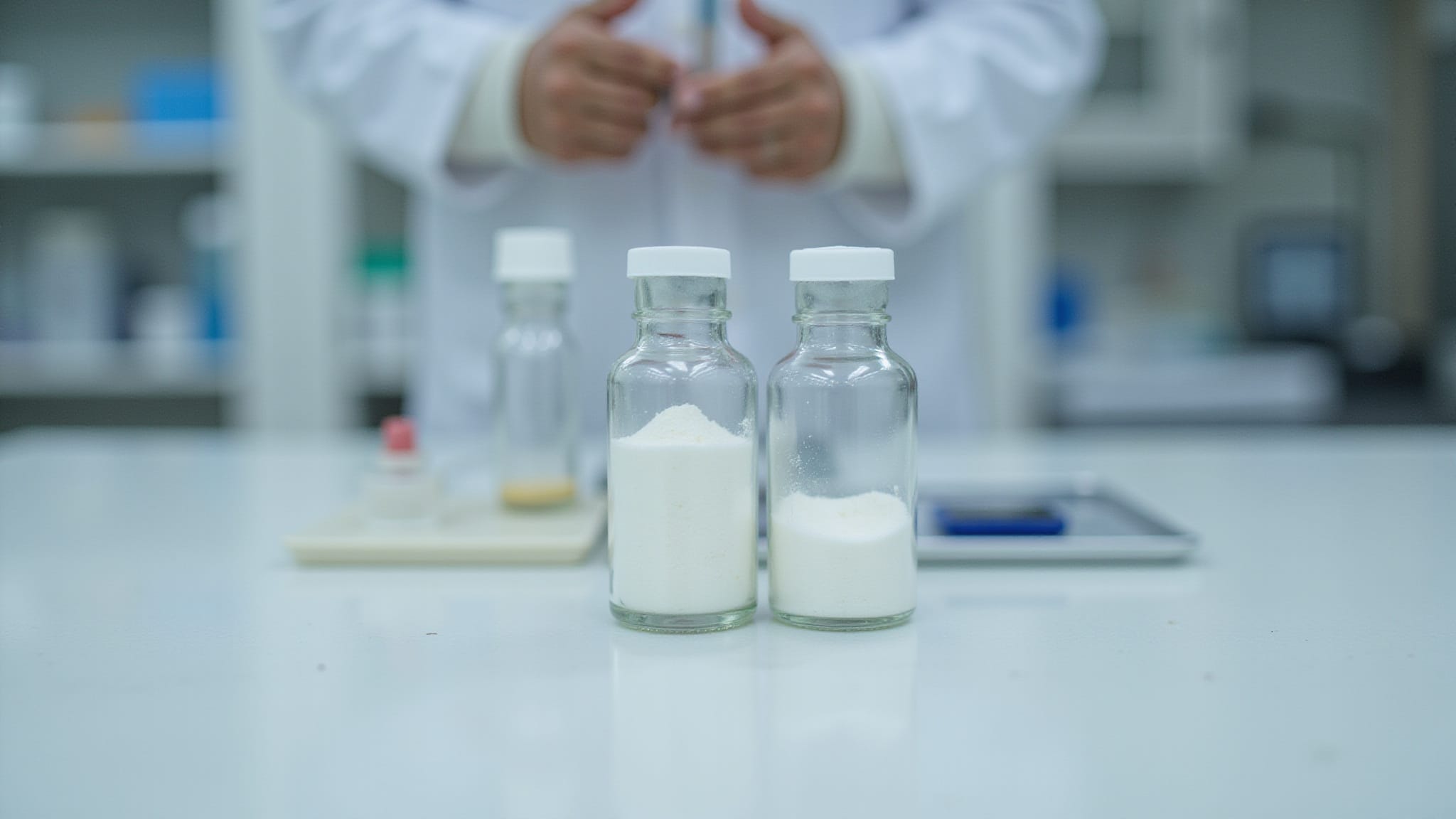
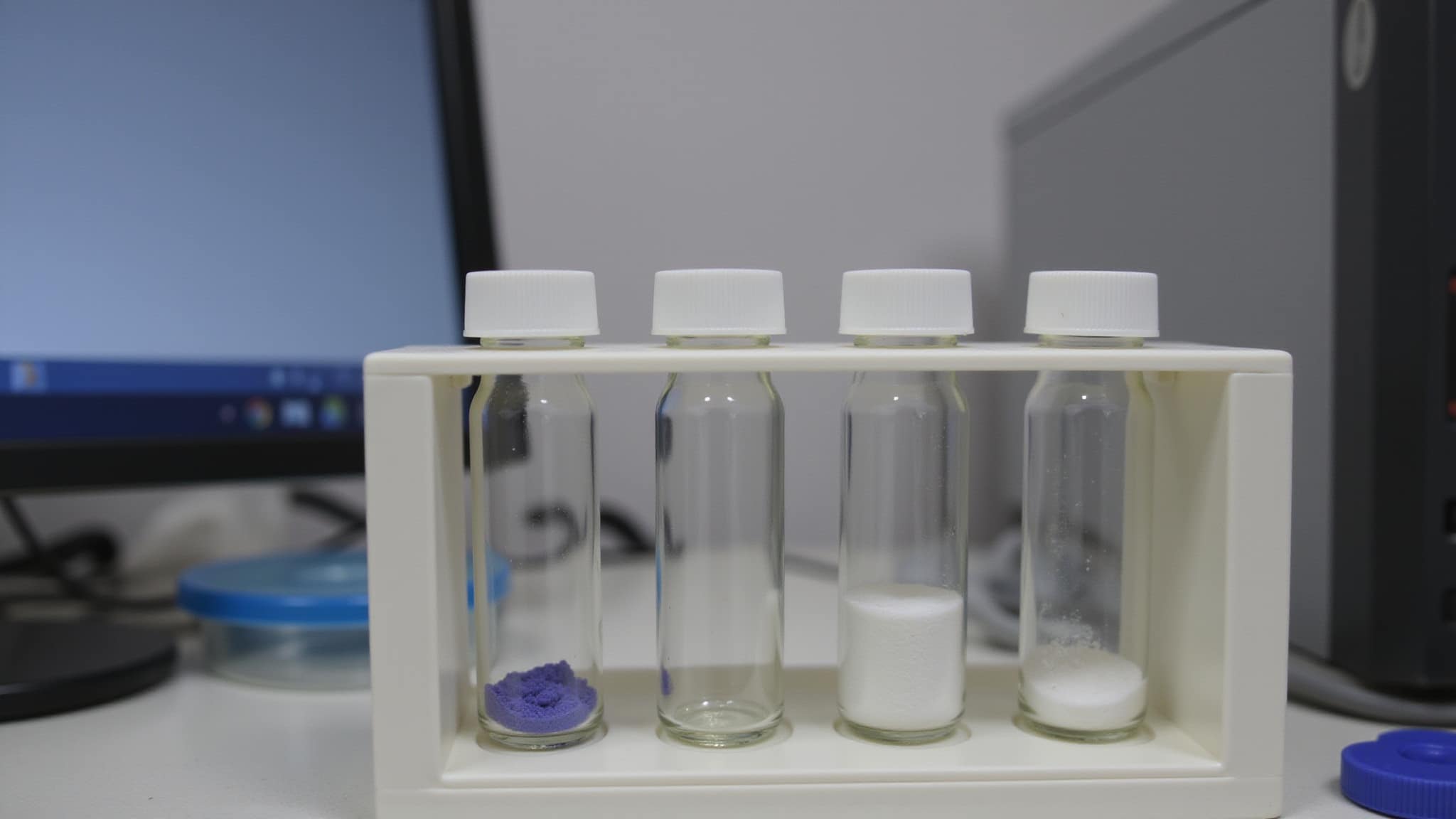
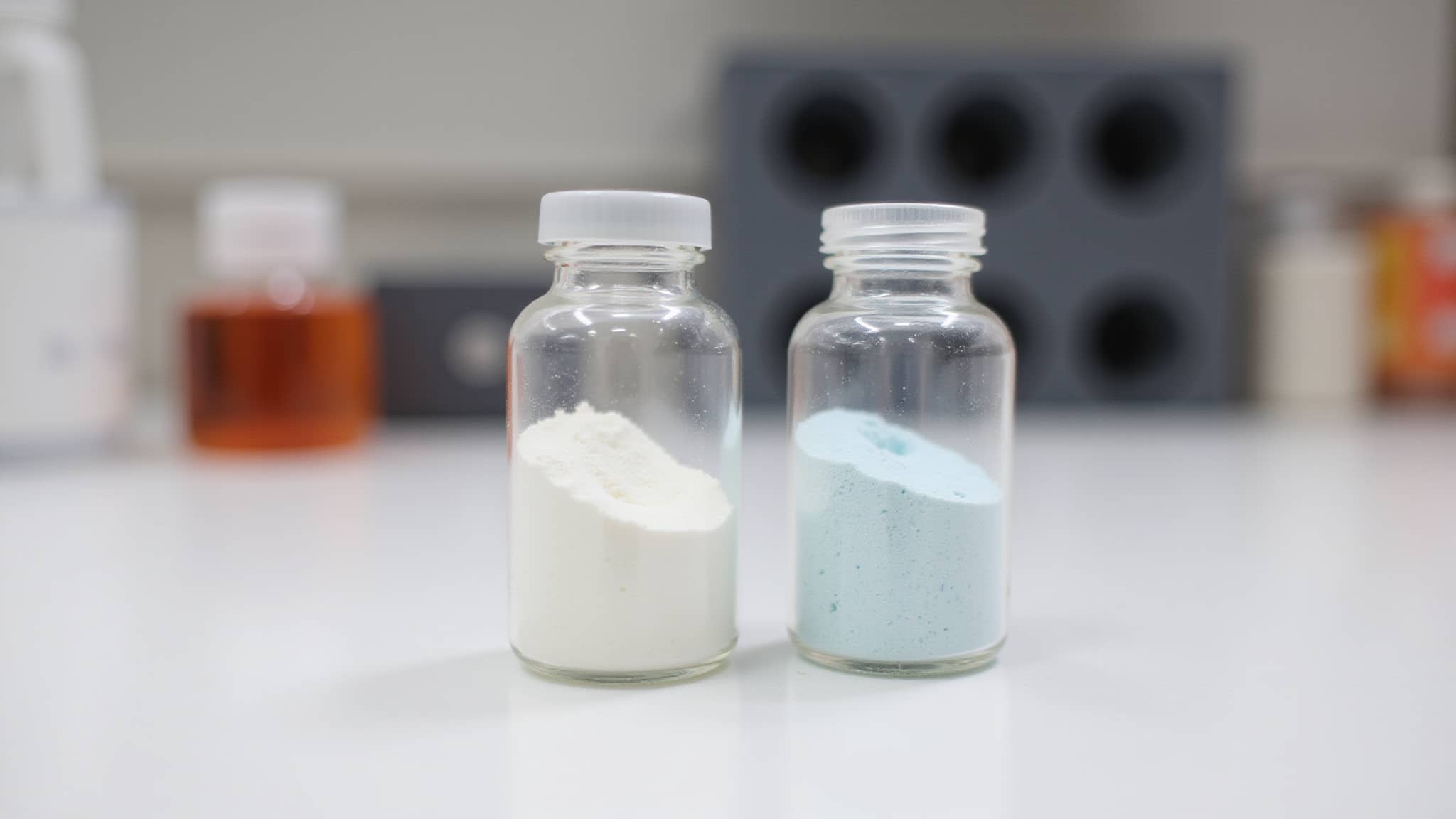
Lyophilization is freeze-drying, a controlled low-temperature vacuum process that removes water from a peptide formulation to produce a dry cake with reduced molecular mobility and lower hydrolytic degradation risk. It is used for peptides because water accelerates deamidation, oxidation, aggregation, and potency loss during storage. In freeze-dried TB-500, residual moisture, cake appearance, reconstitution time, and assay results serve as release and stability attributes. Regulatory expectations call for justifying the cycle, container closure, and labeled conditions through ICH Q1A(R2) studies using stability-indicating RP-HPLC, moisture testing, and selected mass spectrometry. For TB-500 storage, lyophilization supports longer dating at -20°C or 2 to 8°C than solution storage, while limiting room-temperature exposure, direct light, and temperature excursions above controlled specifications. Visual inspection verifies acceptable cake quality.
How lyophilization affects peptide structure
Lyophilization can change peptide structure by altering the physical environment rather than chemically modifying the molecule. As ice forms and sublimates, solutes concentrate, local pH shifts, interfacial stress increases, and residues are exposed to dehydration. For Thymosin Beta-4, covalent restructuring from drying alone is not expected. The concern is conformational perturbation, aggregation risk, and residue exposure that can later influence deamidation or methionine oxidation.
These effects are assessed through stability-indicating controls: residual moisture, cake appearance, reconstitution behavior, RP-HPLC purity, and selected mass spectrometry. A robust lyophilized cake should reconstitute to a clear, colorless solution within 1 to 3 minutes, without precipitation or cloudiness. From a regulatory perspective, the process must be shown to preserve identity, purity, potency, and acceptable physical attributes.
Stability data for the lyophilized peptide
Lyophilized Thymosin Beta-4 / TB-500 has stability data supporting substantially longer shelf life under frozen or refrigerated storage than at room temperature. These data are evaluated through ICH Q1A(R2)-aligned long-term, accelerated, and stress protocols using stability-indicating RP-HPLC, with mass spectrometry at selected intervals. Degradation typically appears as reduced main-peak area plus new polar or hydrophobic impurity peaks. The values below are reported indicators tied to specific conditions and acceptance criteria, not fixed guarantees. Encapsulated tb-500 formulation methods typically enhance bioavailability and facilitate sustained release in therapeutic applications. These innovative methods are being studied for their potential to improve the efficacy of various treatments.
| Parameter | Reported stability indicator |
|---|---|
| -20°C storage | Under 5% degradation at 24 months |
| 2 to 8°C storage | 12-month pharmaceutical support |
| Initial release purity | 97% or higher for stronger claims |
| Ongoing acceptance | 93% or higher purity threshold |
Moisture, appearance, dissolution, and impurity profile are tracked alongside purity. A cake showing discoloration, cloudiness after reconstitution, precipitation, or purity drift is not accepted as stable.
How long the lyophilized peptide remains stable
Lyophilized peptide can remain stable for up to 36 months when long-term testing maintains required purity under a labeled storage condition and defined acceptance criteria. Shelf life for lyophilized Thymosin Beta-4 is interpreted by matching time-point results to validated specifications, not by assuming indefinite stability. For pharmaceutical-grade material released at 97% purity or higher, data can support up to 36 months when long-term testing maintains required purity. A more conservative claim often uses 24 months when degradation stays below 5%. Aqueous solubility testing for TB-500 is crucial in confirming the compound’s stability in solution. This testing can reveal how well the peptide dissolves in various solvents, which is important for formulation development.
Stability is confirmed with stability-indicating RP-HPLC, supported by mass spectrometry at selected intervals. The relevant signals are maintained assay value, purity held at or above the acceptance threshold through shelf life, and no unacceptable growth of degradation peaks. At refrigerated labeling, 12 months is generally justified, sometimes 18 months with supporting data. At room temperature, meaningful degradation can appear within 3 to 6 months.
Storage conditions that preserve lyophilized material
Sealed vials of lyophilized Thymosin Beta-4 are stored at -20°C, protected from moisture and direct light, under validated cold-chain conditions. Sound practice qualifies freezers, monitors temperature continuously, and documents excursions under ICH Q1A(R2)-aligned stability protocols. For pharmaceutical-grade material with initial purity of 97% or higher, -20°C storage can support up to 36 months of shelf life, with reported degradation remaining below 5% at 24 months.
Storage at 2 to 8°C is appropriate when labeling supports refrigerated distribution, but expectations are limited to 12 to 18 months, with 12 months commonly supported by pharmaceutical stability data. Room-temperature storage beyond 3 to 6 months is not advisable. Vials are kept sealed until reconstitution, residual moisture is controlled through testing, and each vial is inspected for cake integrity, discoloration, cloudiness, or visible particulates. Reconstituting a tb-500 vial requires strict adherence to aseptic techniques to avoid contamination. It is essential to use a sterile syringe and needle during the process to ensure the integrity of the solution.
Degradation pathways that threaten stability
Deamidation, oxidation, moisture-driven hydrolysis, and temperature- or light-induced impurity formation threaten the stability of lyophilized Thymosin Beta-4. These risks are controlled by linking storage conditions, analytical trends, and ICH Q1A(R2) acceptance criteria.
- Deamidation: Asparagine and glutamine conversion is tracked, especially after reconstitution near pH 7.4, where degradation accelerates relative to pH 5.0 to 6.0.
- Oxidation: Methionine oxidation is monitored by RP-HPLC and mass spectrometry; -20°C storage and light protection reduce hydrophobic impurity peaks.
- Hydrolysis and moisture effects: Residual moisture is measured, since excess water compromises the lyophilized cake and increases polar degradation products.
Appearance alone is not sufficient. Stability is confirmed through main-peak area and a defined purity acceptance threshold across shelf life, with material rejected when purity falls below that threshold.
Conclusion
Lyophilization stability for Thymosin Beta-4 comes down to a defensible shelf-life claim built on storage temperature, initial purity, and stability-indicating data. Frozen storage supports the longest dating, refrigerated a shorter window, and room temperature the shortest, with RP-HPLC, moisture testing, mass spectrometry, and visual inspection together confirming that identity, purity, and physical quality hold across the claimed period. Because the pathways at work, deamidation, oxidation, and moisture-driven hydrolysis, are condition-sensitive, every shelf-life figure is a claim that a specific batch’s data must support rather than a fixed guarantee.
Those claims start from the quality of the material itself. Higher initial purity, a well-formed cake, and low residual moisture are what make longer dating supportable, while variable purity or an inconsistent lyophilization history shortens it. Sourcing research-grade TB-500 with verified purity and third-party-confirmed batch quality gives stability work a stronger starting point and keeps shelf-life results comparable across lots.
Shop Lab-Verified TB-500 at Holas Today
When your research calls for TB-500 with verified quality, secure lyophilized packaging, and reliable stability, Holas delivers exactly what your lab requires. Each batch of our TB-500 peptide is third-party tested for purity and consistency, prepared under laboratory-grade standards, and shipped with care. Browse our shop or contact us to source the right peptides for your work.
Frequently Asked Questions
Why does frozen storage extend Thymosin Beta-4 shelf life over refrigerated or room-temperature storage?
Lower temperatures slow the molecular motion and reaction kinetics behind deamidation, oxidation, and hydrolysis, so degradation accumulates more slowly at -20°C than at 2 to 8°C or room temperature. This is why frozen labeling can support the longest dating, refrigerated a shorter window, and room temperature the shortest. The exact claim still depends on the initial purity and the supporting stability study rather than temperature alone.
What makes an assay stability-indicating for a lyophilized peptide?
A stability-indicating method resolves the intact peptide from its degradation products, so a drop in main-peak area and the rise of new impurity peaks can be detected and quantified. RP-HPLC serves this role for Thymosin Beta-4, with mass spectrometry confirming the identity of degradants at selected intervals. Without that resolving power, a purity number could mask co-eluting breakdown products.
Why is residual moisture measured in lyophilized TB-500 stability testing?
Residual water left in the cake reintroduces the hydrolysis and deamidation pathways that freeze-drying is meant to suppress, so moisture is a direct predictor of degradation risk. Measuring it verifies that the lyophilization cycle achieved adequate dryness and that the container closure is holding. A cake with elevated moisture can show polar degradation products and slower or incomplete reconstitution.
How does the appearance of the cake relate to measured stability?
Cake appearance, reconstitution time, and solution clarity are useful first-line indicators, since collapse, discoloration, cloudiness, or precipitation can flag a compromised product. On their own they are not sufficient, because purity drift can occur before any visible change. Visual inspection is therefore paired with RP-HPLC and moisture data rather than used as a standalone stability measure.
Why are shelf-life numbers treated as claims rather than fixed expiry dates?
A shelf-life figure is the outcome of a specific stability study on a specific batch under defined storage and acceptance criteria, so it reflects those conditions rather than a universal property of the peptide. Different initial purity, container closure, or storage temperature produce different supportable dating. This is why reported ranges are read as condition-dependent claims that each batch’s own data must substantiate.