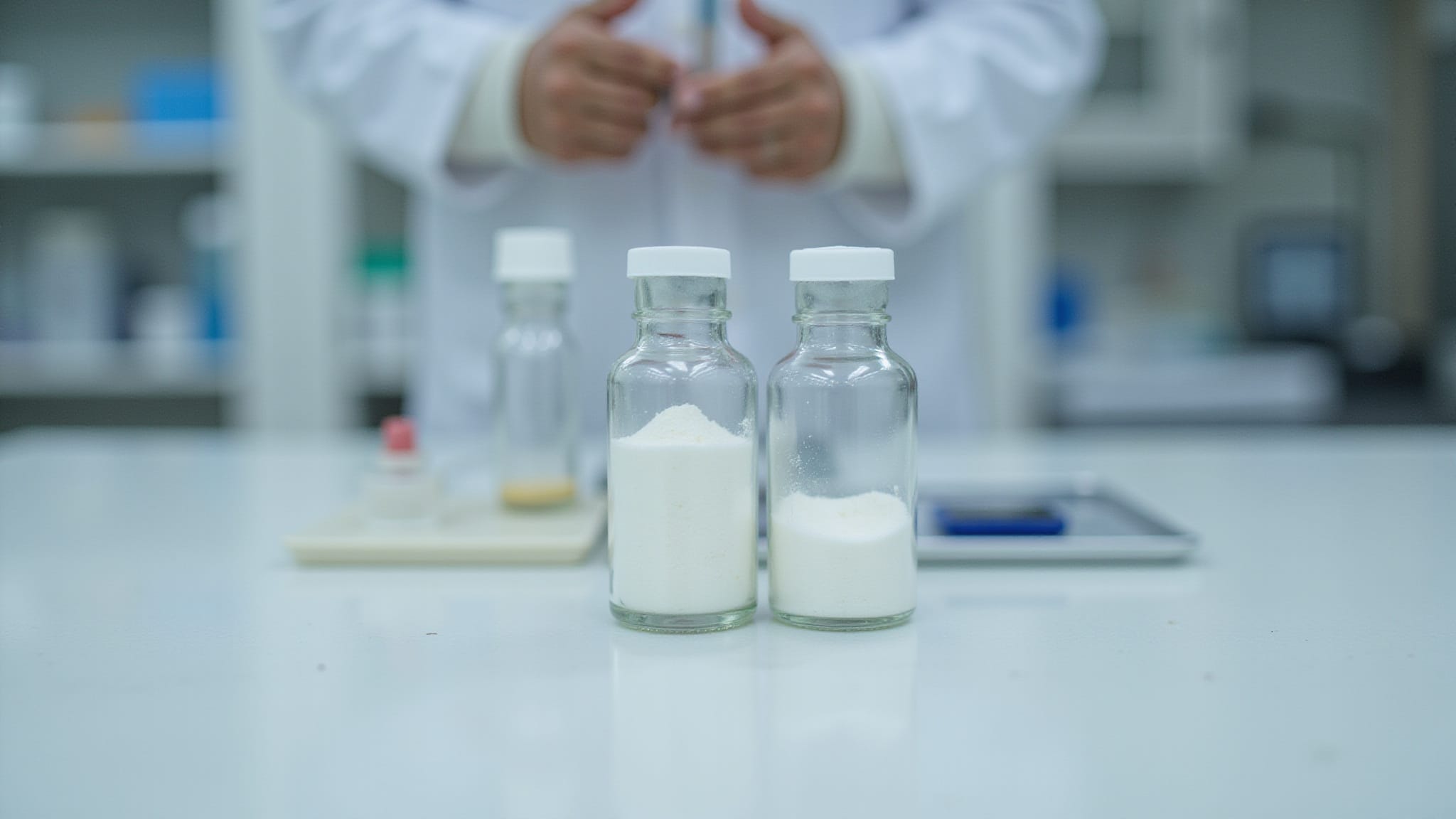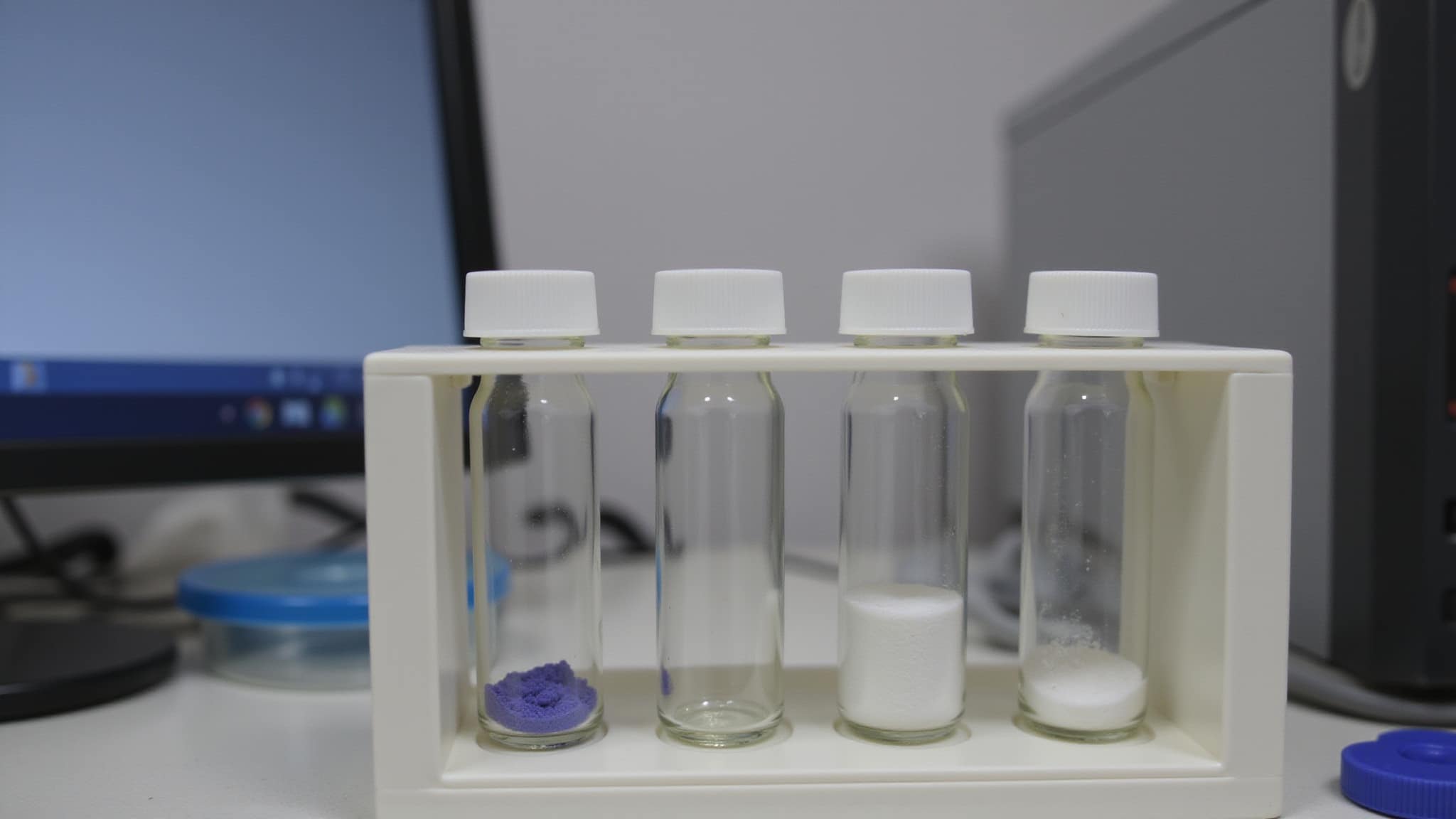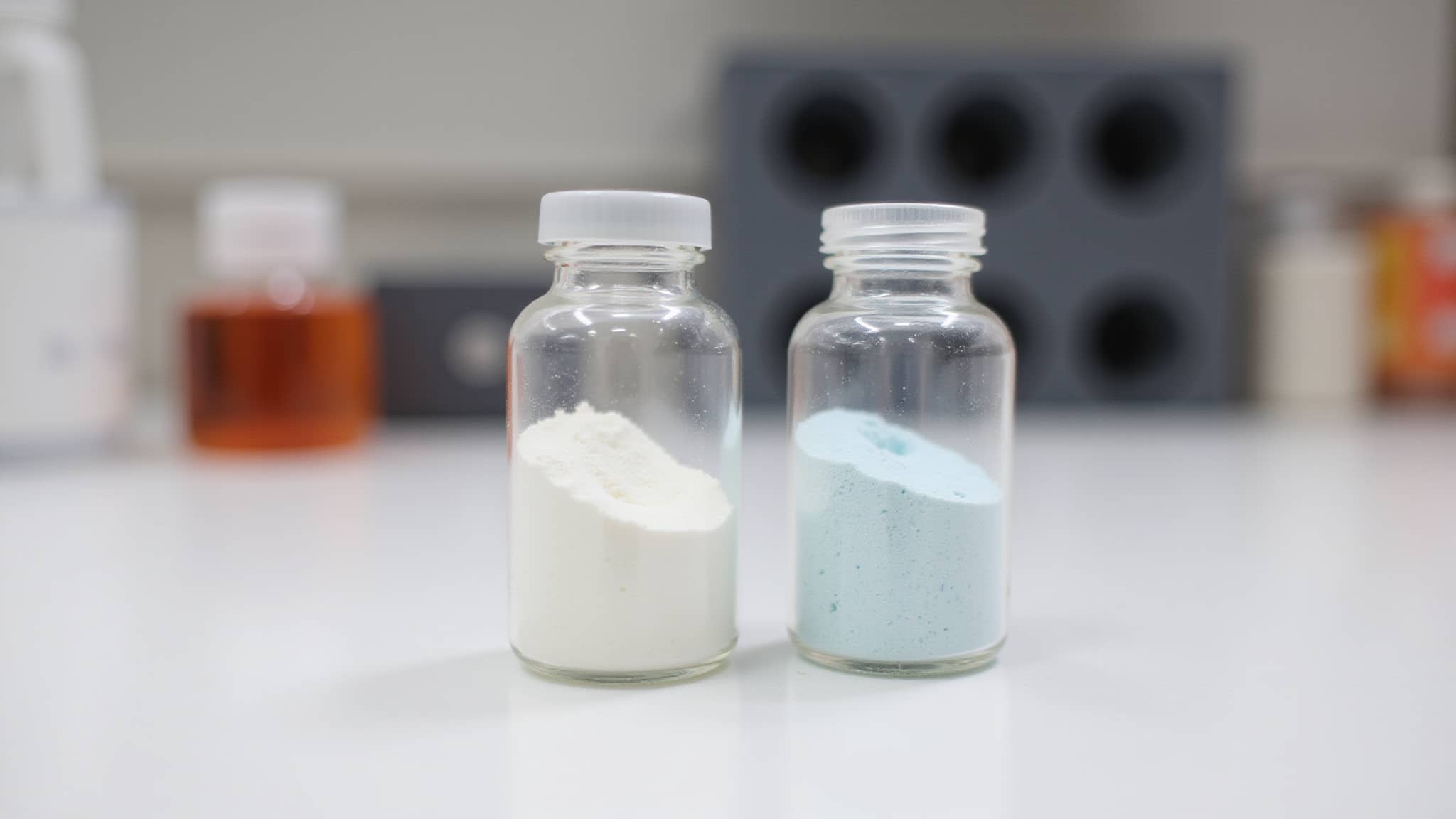
Research peptides lack FDA approval for human use, sterility testing, and dosing standards, so vendors label them “not for human consumption” to evade liability, you risk contamination, endotoxins, and health hazards like sepsis from unregulated labs. Clinical peptides, however, undergo rigorous FDA oversight in GMP-certified sterile pharmacies, meeting USP <797> for purity (98-99%+), validated LAL endotoxin tests (<0.1 EU/mg), and prescription-only compounding under Sections 503A/503B. You’ll uncover specifics on safe sourcing and examples ahead.
What Are Research Peptides and Why “Not for Human Use”?
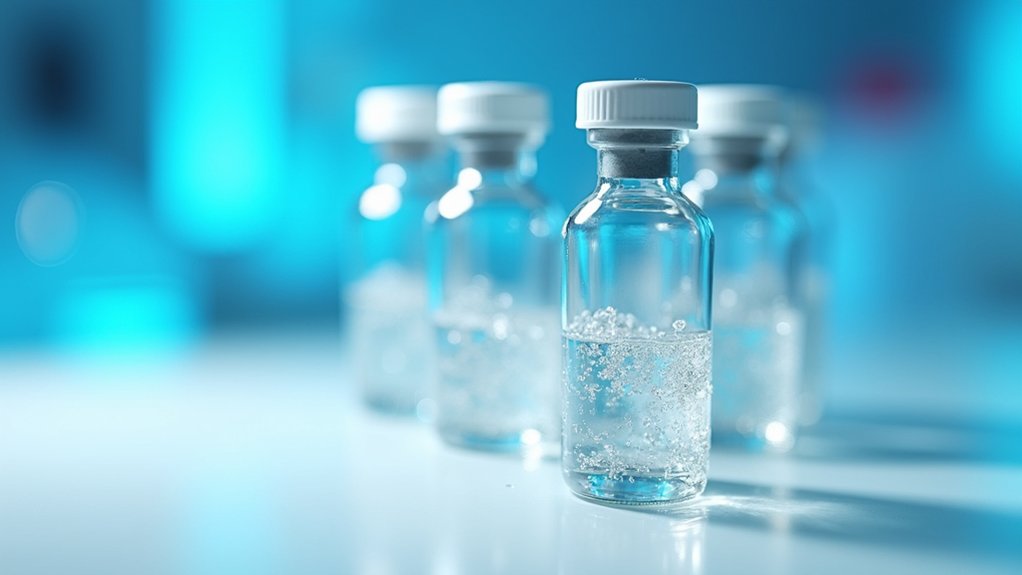
You can’t legally prescribe or administer them for human therapy, doing so risks medical board discipline and personal liability. Without human-use certification, they bypass sterility testing, batch verification, and dosing standardization. Vendors emphasize the label for legal protection, ensuring no recourse exists for contamination or injury. Research peptides are not FDA-approved for human use, lacking regulation and pharmaceutical standards. Over 80 approved peptide drugs are available for clinical use, demonstrating the contrast between research-grade and therapeutically validated peptides. Stick to lab contexts to avoid these pitfalls.
FDA Approval: Clinical vs. Research Peptides
Clinical peptides undergo rigorous FDA approval for specific indications, while research peptides lack any such approval for human or veterinary use. You’ve likely encountered research vs clinical peptides in discussions of investigational peptides vs research peptides, where only clinical versions meet pharmaceutical peptide standards. The FDA has approved roughly ten natural peptides since 1923, like insulin, with nine for diabetes. Popular options such as BPC-157, AOD-9604, and CJC-1295 remain unapproved. Clinical peptides follow sections 503A and 503B for compounding under licensed prescriptions; research peptides don’t. Prescribing them risks discipline, as they’re labeled “not for human consumption” without oversight.
Sterile Pharmacies vs. Shady Chemical Labs
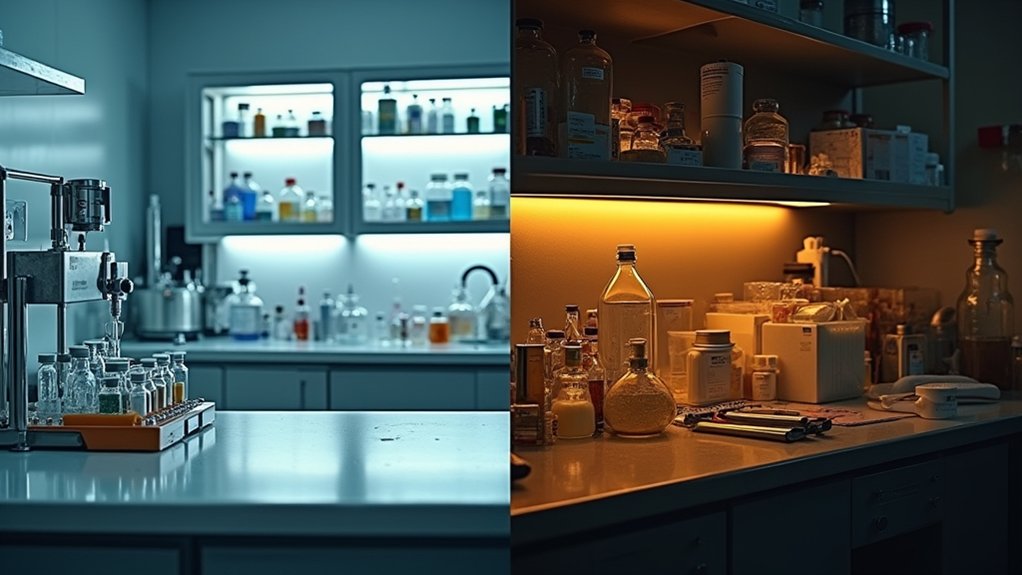
The manufacturing environment separates legitimate clinical peptide sources from unregulated chemical suppliers. When you’re evaluating peptide sources, understanding facility standards and compliance practices is critical for patient safety.
- Facility Standards: Sterile pharmacies operate in FDA-registered or GMP-certified facilities with ISO-classified cleanrooms, while unregulated labs lack these requirements and batch records entirely.
- Quality Assurance: Clinical-grade peptides follow USP <797> standards with verified purity testing and full traceability, whereas research-grade peptides have no sterility or contamination obligations.
- Regulatory Oversight: Legitimate providers adhere to Section 503A or 503B compliance and state pharmacy board inspections; unregulated suppliers evade all FDA approval processes.
The distinction between GMP peptides vs research grade reflects fundamental differences in peptide compliance labeling and peptide supply chain distinctions. Products labeled “research only” bypass safety validation entirely, exposing prescribers to serious liability risks while legitimate clinical sources provide legal protection and adverse event tracking.
Purity Testing: Unverified vs. Lab-Validated
You expose yourself to unverified purity risks with research peptides, as they undergo basic tests like HPLC or MS without thorough validation or regulatory oversight. Clinical peptides demand validated lab standards, employing methods such as qNMR and AAA for precise content and impurity profiling that guarantee consistency. You’ll also encounter missing sterility tests in research-grade products, heightening contamination dangers absent in clinical-grade rigorous protocols.
Unverified Purity Risks
Key risks you’ll encounter include:
- Simplified colorimetric assays (Bradford, BCA, Lowry) providing only indirect concentration measurement without confirming actual purity levels
- IP sample spectrum methods unable to distinguish molecular weight differences or identify specific impurities within peptide samples
- Rapid screening approaches masking contaminants that could compromise experimental results and reproducibility
Laboratory peptide regulations mandate thorough testing for clinical applications, whereas research peptides frequently circumvent these validation requirements. This distinction means your research outcomes depend entirely on supplier credibility and testing transparency rather than regulatory oversight. As the demand for innovative therapies grows, more companies are emerging in the field of research peptides companies. These entities often offer a diverse array of products, but it’s crucial to analyze their reputability and the quality of their offerings.
Missing Sterility Tests
Research-grade peptides skip mandatory sterility testing required for every clinical-grade batch intended for injection, leaving contamination risks unchecked. You face uncontrolled bacterial exposure since research labs don’t demand injectable-grade sterility for cell cultures, unlike clinical peptides that follow ICH Q7 guidelines with validated methods. Clinical-grade products document sterility data for INDs and NDAs, ensuring batch consistency; research-grade skips this, risking variability and impurities. You’ll get no verified sterility on Certificates of Analysis (CoA) from unregulated sources, unlike pharmaceutical-grade’s expansive oversight. This gap heightens sepsis potential from unchecked contaminants, as research peptides lack full quality systems and traceability you rely on for safety.
Validated Lab Standards
Beyond unchecked sterility, validated lab standards reveal stark gaps in purity testing. When you choose research-grade peptides, you’re accepting unverified purity levels that may fluctuate between batches. Clinical-grade peptides, conversely, maintain consistent 98%+ purity with rigorous documentation.
- Research-grade testing relies on basic HPLC analysis and mass spectrometry for identity confirmation, without regulatory validation or thorough impurity profiling
- Clinical-grade testing requires expanded quality control covering identity, purity, potency, residual solvents, sterility, endotoxin levels, and stability studies with full analytical documentation
- Batch consistency differs greatly, research peptides tolerate acceptable variations with inconsistent impurity profiles, while clinical peptides maintain tight specifications across every production run
This distinction matters fundamentally. You’re not simply choosing between two products; you’re selecting between unvalidated chemistry and pharmaceutical-grade assurance. Clinical standards guarantee reproducible results and documented safety records that research-grade peptides cannot provide.
Contaminants in Research Peptides: Bacteria and Endotoxins
You face bacterial contamination risks in research peptides since they lack the sterility testing and cleanroom standards of clinical-grade versions, allowing Gram-negative bacteria to persist in raw materials, water, and equipment. These bacteria release endotoxins, lipopolysaccharides undetectable by standard purity tests due to masking and interference, that clinical peptides routinely screen for but research ones often omit. Injecting them exposes you to infection health hazards like pyrogenic fever, inflammation, and sepsis-like shocks from even trace levels.
Bacterial Contamination Risks
- Raw material sourcing, amino acids lack microbial screening, introducing bacterial spores before synthesis begins
- Production environments, open-air academic settings expose peptide mixtures to skin flora and environmental bacteria without HEPA filtration
- Post-synthesis handling, recycled solvents and non-autoclaved equipment transfer bacterial residues between batches
These contaminants produce endotoxins exceeding 100 EU/mg, risking pyrogenic reactions and immune activation. In contrast, clinical-grade peptides maintain endotoxin levels below 0.1 EU/mg through rigorous LAL testing and sterility validation protocols.
Endotoxin Detection Absence
Research peptides typically lack endotoxin detection protocols that’re standard in pharmaceutical manufacturing, creating a critical safety gap. You won’t find routine LAL-based tests, like gel-clot, turbidimetric, or chromogenic methods, that FDA approves for clinical products, detecting endotoxins as low as 0.01 EU/mL in peptides. Clinical peptides undergo these validated assays, plus emerging ones like recombinant C Factor or MAT, to guarantee levels below 5 EU/mL post-purification. Without such screening, research peptides risk harboring undetected LPS from gram-negative bacteria, evading tools like Pierce kits or ToxinSensor systems. You’re left exposed to reproducibility issues, interferences, and unremoved contaminants via inadequate HPLC or affinity methods, heightening lab hazards versus regulated clinical supply chains.
Infection Health Hazards
- Ingested or injected contaminants invade your tissues, causing localized infections or systemic sepsis from endotoxin activation of immune pathways.
- Toxin-producing bacteria like S. aureus release compounds that provoke severe inflammatory responses, fever, and organ damage.
- Fungal and bacterial byproducts alter pH and introduce variables that amplify health risks in non-sterile lab conditions.
You face batch inconsistencies heightening these dangers, unlike clinical peptides’ strict standards.
Why Does Dosing Need Doctor Oversight?
You interact peptides with complex biological pathways, binding receptors to trigger GH release, alter blood sugar, or influence inflammation, risking imbalance without monitoring. Incorrect dosing causes nausea, hypoglycemia, tachycardia, or IGF-1 spikes, as therapeutic windows demand precision.
| Risk Without Oversight | Doctor Oversight Benefit |
|---|---|
| Ineffective or toxic doses | Baseline labs (IGF-1, glucose) guide adjustments |
| Hypoglycemia, edema, insomnia | Follow-ups every 4-12 weeks guarantee safety |
| Unmonitored hormone shifts | Structured protocols prevent harm |
You’ll need screening for kidney/liver function and ongoing labs; providers guarantee legal compliance via consults and informed consent. Avoid research peptides lacking controls, you require clinical-grade under supervision.
What Happens If Research Peptides Harm You?
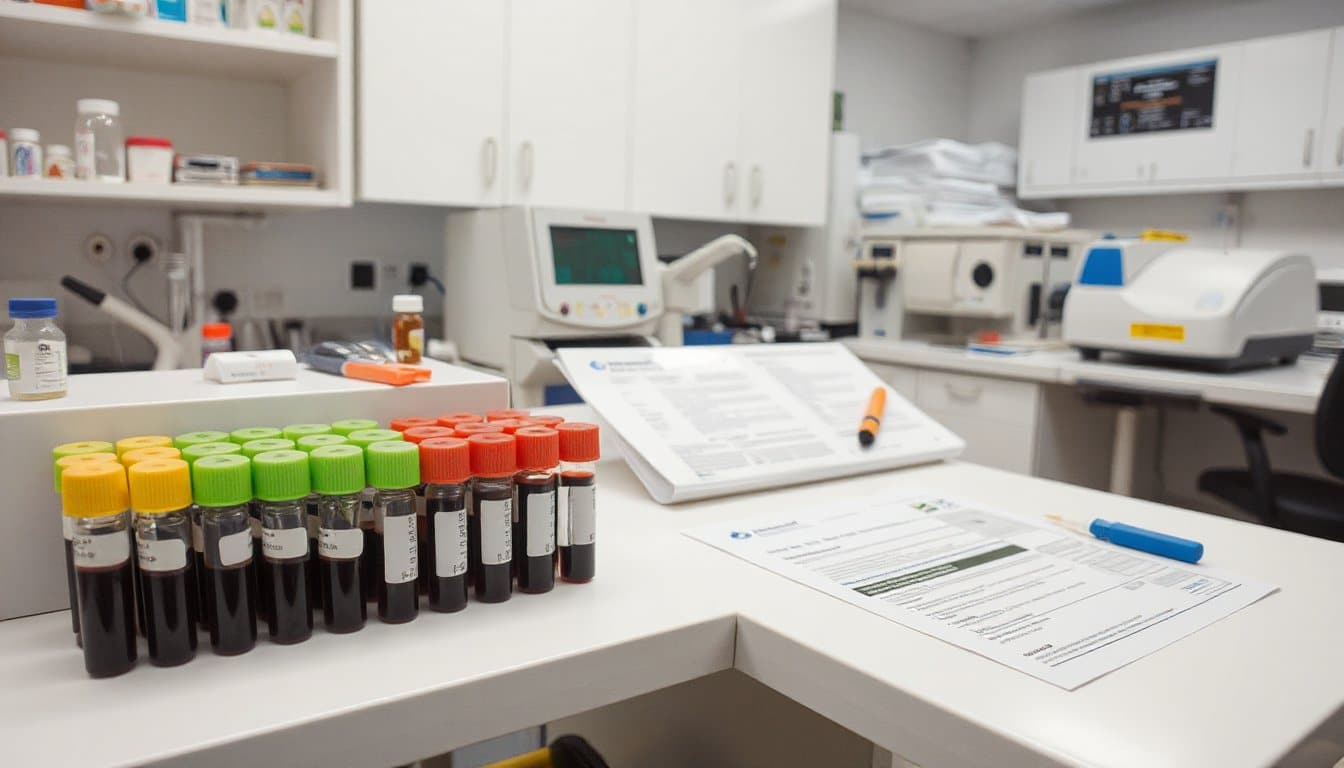
You encounter these severe consequences:
- Gastrointestinal and injection issues: Impurities cause nausea, diarrhea, abdominal pain, headaches, fatigue, and non-sterile reactions.
- Hormonal disruptions: Overstimulation leads to acromegaly, diabetes, thyroid dysfunction, cancer growth promotion, or gynecomastia.
- Legal repercussions: Possession risks fines, charges, or athlete bans; unregulated products evade liability while diverting you from evidence-based care.
Blood tests investigate toxicity, but long-term organ damage remains unknown due to limited studies.
Batch Records and CoAs for Safe Peptides
FDA mandates these for identity, purity, potency, and safety per ICH guidelines, you guarantee validated methods and stress testing for reliable, safe peptides.
Examples: Semaglutide FDA-Approved vs. Online Fakes
Semaglutide exemplifies the stark contrast between FDA-approved clinical peptides and dangerous online counterfeits. You’ve seen FDA seize thousands of fake Ozempic 1-mg units from legitimate U.S. supply chains, including lots PAR1229, PAR0362, and NAR0074. Counterfeits entered authorized channels, as Novo Nordisk notified FDA in 2023, 2025.
Spot fakes with these checks:
- EXP/LOT text sits left of expiration on counterfeits; authentic places it above.
- Pens fail to extend during dosing; real ones lengthen, with varying dial windows.
- Non-sterile needles risk infection; fakes may hold insulin or unknown substances.
Adverse events like nausea link to lots, but testing continues. Get prescriptions only from licensed pharmacies via Novo Nordisk distributors; report suspects to FDA.
Get Safe Peptides From Pharmacies, Not Vendors
You can considerably reduce health risks by obtaining peptides from licensed compounding pharmacies rather than online vendors. Pharmacies operate under state Board of Pharmacy supervision, follow USP guidelines, and source verified ingredients from FDA-registered facilities with rigorous testing for purity, potency, and sterility. Online vendors circumvent these protections by marketing research-grade peptides as “not for human use,” exposing you to unregulated manufacturing, unverified purity, contamination risks, and potential legal liability without the safety oversight or recourse available through legitimate pharmaceutical channels.
Pharmacy Safety Standards
- Purity and potency via HPLC and mass spectrometry for identity confirmation.
- Sterility and endotoxin checks with third-party validation and Certificates of Analysis.
- Stability studies supporting shelf-life, plus cleanroom monitoring for safety.
PCAB accreditation and no adverse event spikes confirm predictable dosing.
Vendor Risk Factors
Vendor risk factors abound when you source peptides from unregulated sellers rather than accredited pharmacies, exposing you to impurities, regulatory violations, and serious health hazards. Firms from China ship peptides to the US for $5 per vial via platforms like TikTok, while online sites mimic professional labs. You encounter experimental substances marketed for human use despite lacking long-term safety studies, with vendors using “research use only” labels as loopholes. Reputable suppliers test purity but skip sterility and potency guarantees, evolving to oral capsules to evade detection. FDA enforcement targets unapproved sales, yet you risk civil suits, board actions, and criminal liabilities if providers bypass legal channels. Stick to pharmacies for vetted, clinical-grade options.
Choose Licensed Sources
When you source peptides from licensed compounding pharmacies, you’re getting products manufactured under strict regulatory standards. These facilities operate under FDA registration and comply with USP <795> and <797> standards for sterility and purity.
Your protection includes:
- Verified potency testing verifying 98-99%+ purity with Certificates of Analysis for every batch
- Licensed prescriber involvement requiring clinical evaluation before dispensing, with documented monitoring and adverse-event tracking
- Complete traceability including lot numbers, expiry dates, and legal recourse if contamination or mislabeling occurs
Research peptides lack these safeguards. They’re manufactured without FDA oversight, contain unverified purity claims, and provide no clinical accountability. Physicians cannot legally prescribe them without risking professional discipline. Licensed pharmacy sourcing confirms what you’re receiving matches what’s labeled, a guarantee unregulated vendors cannot provide.
Shop Research Peptides at Holas Today
If you are looking for research peptides that are properly handled, securely packaged, and shipped with care, Holas has you covered. We provide laboratory-grade peptides with third-party tested purity, reliable packaging standards, and fast shipping to support your research needs. Browse our full catalog or contact us to find the right peptides for you today.
Frequently Asked Questions
Can Research Peptides Be Converted or Upgraded to Pharmaceutical-Grade Standards?
No, you cannot convert or upgrade research peptides to pharmaceutical-grade standards. You must re-synthesize them under GMP conditions with enhanced analytics, process optimization, and scale-up validation to meet regulatory compliance, impurity profiling, and clinical purity requirements beyond basic HPLC/MS checks.
How Do Insurance Companies Handle Claims for Injuries From Research Peptide Use?
Insurance companies deny your claims for injuries from research peptide use, deeming them self-inflicted due to off-label acquisition of unregulated substances labeled “not for human consumption.” You’ll lack prescription proof, Certificates of Analysis, or GMP sourcing, triggering policy exclusions for experimental items. Insurers reroute to personal liability with sublimits; expect premium hikes or cancellations for contamination risks like endotoxins.
What Are the Storage and Shelf-Life Differences Between Research and Clinical Peptides?
You store research peptides lyophilized at -80°C for 6+ months or -20°C for 1-6 months, with reconstituted solutions aliquoted at -20°C or below; they’re stable months to years desiccated, but degrade faster post-reconstitution. For clinical peptides, keep lyophilized below -15°C (ideally -50°C), avoiding long-term solutions; sensitive residues limit shelf life, with short-term fridge use at 4°C.
Are There Legitimate Research Institutions That Use Pharmaceutical-Grade Peptides for Studies?
Yes, legitimate research institutions use pharmaceutical-grade peptides for studies. You’ll find that academic and pharmaceutical researchers rely on cGMP-manufactured peptides to safeguard quality consistency and regulatory compliance, particularly when advancing toward clinical trials. Companies like Bachem, AmbioPharm, and CordenPharma supply GMP-certified peptides to institutional researchers conducting preclinical and clinical investigations. This approach ensures that your research meets FDA and EMA standards while maintaining the scientific rigor necessary for peer-reviewed publications and regulatory submissions.
How Can Consumers Identify Counterfeit Pharmaceutical-Grade Peptides From Legitimate Pharmacy Sources?
You identify counterfeit pharmaceutical-grade peptides by verifying they’re prescribed by licensed providers from FDA-registered pharmacies, not labeled “research use only.” Demand a Certificate of Analysis (COA) with ≥98% HPLC purity, mass spectrometry identity confirmation, sterility guarantees, and GMP compliance documentation. Check lot traceability, endotoxin testing, and third-party lab accreditation; avoid unregulated online vendors selling non-sterile powders.