You face strict FDA restrictions on most research peptides in the U.S., but as of February 2026, about 14 Category 2 peptides like BPC-157, TB-500, CJC-1295, and Ipamorelin shifted to Category 1, allowing licensed 503A compounding pharmacies to prepare them under physician prescription with USP <795>/<797> compliance. You must adhere to institutional procurement, supplier vetting, and COA retention to minimize legal risks, avoiding RUO misuse or unapproved imports. Understanding legal considerations for research peptides in the U.S reveals enforcement details and safe pathways next. Nasal spray peptide research has been gaining momentum due to its potential therapeutic benefits. Researchers are exploring various formulations that could enhance delivery efficiency and minimize side effects.
14 Peptides Legal Again in 2026

You adhere to institutional purchasing policies, university lab procurement, and procurement governance via purchase order documentation, vendor qualification procedures, supplier vetting, and supplier contracts for legal risk reduction procurement. You enforce documentation requirements, COA retention, batch records retention, chain-of-custody records, inventory control research reagents, and lot acceptance process to meet traceability requirements, recordkeeping standards, audit readiness, transparent manufacturer info, domestic shipping compliance, compliance workflows, quality system alignment, and research integrity documentation. Peptide therapy employs small chains of amino acids as biological signaling molecules to influence physiological processes in clinical settings. Approximately 14 peptides to Category 1 will soon be reclassified by the FDA for legal compounding by pharmacies under prescription.
FDA Approval for Research Peptides
You grasp the FDA approval process for research peptides through its rigorous NDA pathway under the FD&C Act, which exempts strictly labeled RUO materials from pre-market scrutiny but demands full evaluation for any intended human therapeutic use. You’ll track category shifts’ impact, like the 2023 Section 503A updates placing 17 peptides in Category 2 for safety risks, with ongoing PCAC reviews potentially enabling Category 1 compounding access. Consult the approved peptides list, including insulin, liraglutide, leuprolide, and recent additions like semaglutide, to guarantee your procurement aligns with compliant, pharmaceutical-grade sourcing.
Approval Process Overview
- Provide complete structure, manufacturing processes, analytical methods, and validated data in your NDA/IND filing.
- Include batch records, stability studies, and safety/efficacy evidence for FDA review.
- Follow ICH Q6A/B for specifications and Q3A/B for impurities to guarantee compliance.
Category Shifts Impact
In late 2023, the FDA designated 17 peptides, including Thymosin Beta-4, Thymosin Alpha-1, BPC-157, and AOD-9604, as Category 2 on its bulk drug substances list due to insufficient human trials, immunogenicity risks, impurities, and limited safety data, halting compounding without due process. You face restricted access as Category 2 status prohibits 503A pharmacies from using these in compounded drugs, prompting legal challenges. A September 2024 settlement reversed unilateral bans; FDA now submits peptides like CJC-1295, Ipamorelin, and AOD-9604 for PCAC review, with nominators withdrawing some to reset processes. Late 2024 PCAC meetings evaluate safety, efficacy, and international data, potentially shifting winners to Category 1 for compounding. January 2025 enforcement ends tolerance for non-NDA peptides in human therapies, so you stick to RUO-labeled research peptides for lab use only.
Approved Peptides List
Additionally, established peptides like semaglutide maintain FDA approval with compounding availability, while oxytocin and growth hormone remain clinically approved. You’ll benefit from verified regulatory status when consulting qualified healthcare professionals about appropriate peptide use in your research or clinical context. Retatrutide vs semaglutide has emerged as a significant topic of discussion among healthcare professionals focusing on metabolic diseases.
Unapproved Peptides’ Legal Status
You’re traversing a complex regulatory landscape where unapproved peptides like BPC-157 fall into a legal gray area, they’re not explicitly banned for possession, but the FDA has placed them in Category 2 restrictions that prohibit compounding pharmacies from preparing them. When you encounter these peptides marketed as “research use only,” understand that this labeling is legally permissible for sales purposes, but any actual or implied use for human consumption violates FDA regulations and exposes both sellers and users to enforcement action. Your institution’s compliance framework should reflect that while purchasing research-labeled peptides may seem legitimate on the surface, the FDA’s aggressive enforcement against companies making therapeutic claims, including a recent $1.79 million forfeiture case, signals serious regulatory risk if documentation suggests human application rather than genuine laboratory research.
FDA Category Restrictions
You should understand that this classification creates significant compliance constraints:
- Compounding prohibition: You can’t legally obtain compounded peptides from traditional pharmacies, as they’re barred from manufacturing new formulations regardless of prescriptions.
- Pending review status: The FDA scheduled December 2024 meetings to evaluate potential reclassification, with nominators withdrawing some nominations to reset the process.
- RUO labeling limitations: You cannot purchase “research-use-only” peptides if vendors know you’ll use them therapeutically, as this violates FDA compliance policy and the FD&C Act.
Unapproved Drug Classification
Unapproved peptides lack FDA approval via the New Drug Application process, so they qualify as unapproved new drugs under the FD&C Act if marketed for human therapeutic use. You can’t legally prescribe or sell them for diagnosis, treatment, mitigation, or prevention of disease without FDA review of safety and efficacy data from clinical trials. Only FDA-approved peptides like semaglutide qualify for prescription through standard channels.
Stick to “research use only” labeling to avoid regulation as drugs; this permits lab sales but prohibits human consumption claims. Vendors exploit this loophole, yet FDA enforcement targets misbranded products via warnings and seizures. You’re barred from importing them, and licensed providers face no gray area, prescribing unapproved peptides violates federal law. Document RUO compliance to mitigate institutional risks.
Compounding Prohibitions
FDA categorizes 17 peptides, including BPC-157, Thymosin Beta-4 (TB-500), CJC-1295, and Ipamorelin, as Category 2 on the bulk drug substances list, prohibiting compounding under Sections 503A and 503B due to risks like immunogenicity, impurities, and limited safety data. You can’t compound these in state-licensed pharmacies or outsourcing facilities, as they fail criteria like FDA approval, USP monographs, or Bulks List inclusion, most qualify as biologics without exemptions. Thymosin beta4 in corneal healing has shown significant promise in promoting tissue repair and reducing inflammation. Researchers are exploring its potential to accelerate recovery from corneal injuries and improve overall ocular health.
Key prohibitions include:
- BPC-157, TB-500, Melanotan II, AOD-9604, GHK-Cu (injectable): Banned outright for immune reactions and impurities; no individual prescriptions allowed.
- Semaglutide/tirzepatide: Restricted post-shortage (503A: April/May 2025; 503B: Feb/March 2025); no copies of approved drugs.
- Enforcement: FDA’s 50+ warning letters (Sept 2025) target RUO misuse; expect inspections, seizures for misbranded products.
Ensure you vet suppliers and document RUO use to align with compliance.
Category 1 Vs Category 2 Peptides
Category 1 peptides qualify as bulk drug substances that licensed 503A pharmacies can compound into individualized medications under USP 797/795 standards, provided you have a valid prescription and pharmaceutical-grade sourcing from registered manufacturers. You’ll guarantee physician oversight and compliance with sterility rules, restoring legal access without full FDA approval. Category 2 peptides, like BPC-157, CJC-1295, ipamorelin, and thymosin beta-4, carry FDA-flagged safety risks such as immunogenicity, barring 503A pharmacies from routine compounding. You can’t use them for patient medications via legitimate channels, though they’re not criminally banned. Key differences: Category 1 enables prescribed compounding; Category 2 restricts it. FDA evaluates based on safety, evidence, and needs, 19 peptides shifted to Category 2 by 2024, with some potential 2026 reclassifications.
What 503A Allows for Peptide Compounding
Section 503A permits licensed pharmacists and physicians to compound peptide drugs for individual patients based on valid prescriptions. However, significant limitations apply to peptide compounding under this framework.
You’ll encounter these key restrictions:
- Bulk substance eligibility, Most peptides don’t qualify because they lack FDA-approved drug products, USP/NF monographs, or placement on the FDA’s 503A bulks list.
- Biologics classification, Peptides are often classified as biologics, which aren’t eligible for 503A exemptions under federal law.
- No commercially available replicas, You can’t regularly compound peptides that replicate FDA-approved drugs.
In practice, peptide compounding under 503A remains highly restricted. You’ll need documented justification that the patient’s medical needs can’t be met by approved alternatives, with proper prescriber authorization and compliance with USP <795> and <797> standards.
2026 Category Changes for Peptides
While the restrictions you’ve just reviewed represent the current enforcement landscape, the regulatory status of peptides is actively shifting. In late 2023, the FDA placed 19 peptides in Category 2, prohibiting 503A compounding due to safety risks like immunogenicity and impurities.
On February 27, 2026, HHS Secretary Robert F. Kennedy Jr. announced ~14 will shift to Category 1 within weeks, enabling licensed pharmacies to compound under prescription with oversight.
| Category | Status | Examples |
|---|---|---|
| 1 (Upcoming) | Compounding allowed | BPC-157, Thymosin Alpha-1, GHK-Cu, Ipamorelin |
| 2 (Ongoing) | Prohibited | Melanotan II, GHRP-2, GHRP-6, CJC-1295 |
| Shift Impact | Prescription-required | Quality-controlled access |
You confirm compliance by verifying vendor RUO labeling and awaiting official FDA rules.
Legal Human Use Pathways
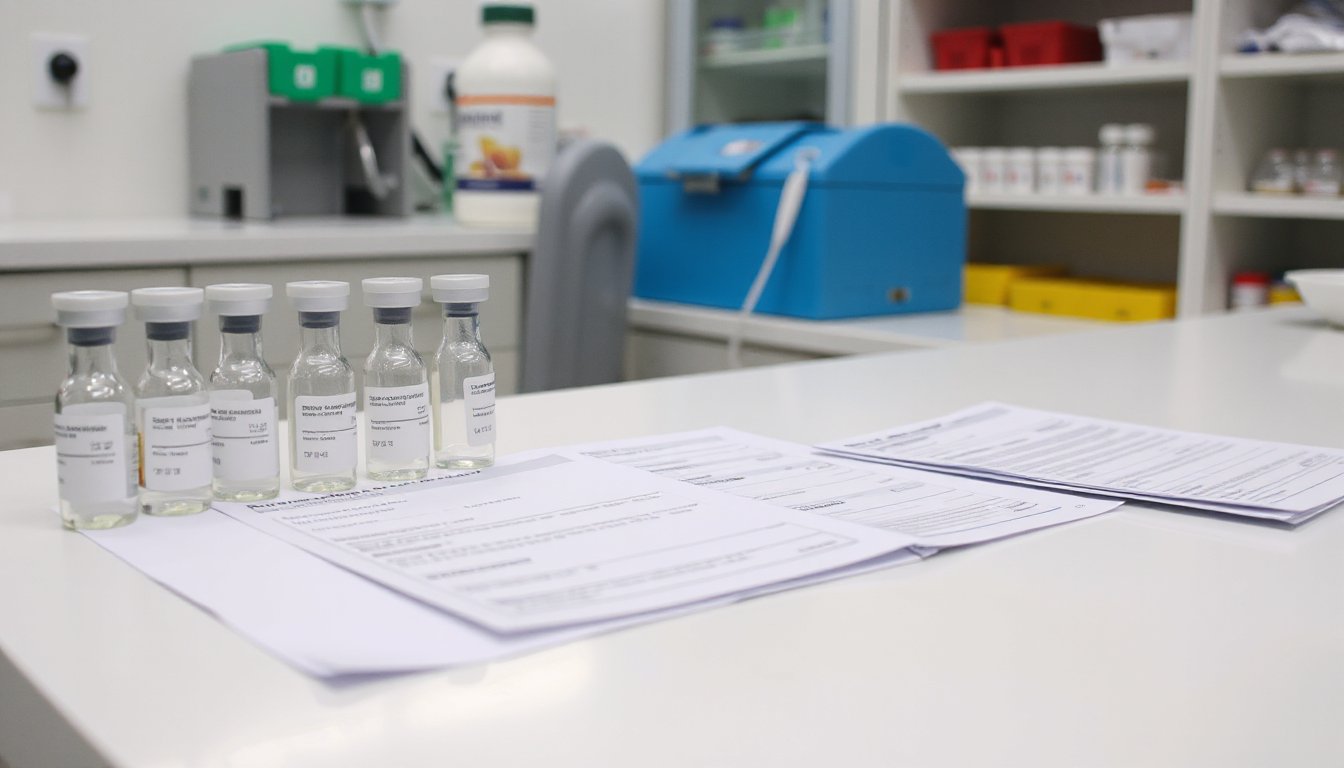
Four primary legal pathways exist for human peptide use in the United States: FDA-approved medications obtained through licensed pharmacies with physician prescriptions; compounded preparations prepared by 503A or 503B facilities under physician prescription for individual patients; investigational peptides accessed through FDA-approved Investigational New Drug (IND) applications for controlled clinical research; and internationally sourced peptides subject to strict personal import limits. Bacteriostatic water reconstitution is essential for preparing injections that require dilution or reconstitution of powdered forms. Proper technique must be employed to ensure sterility and safety during the preparation process.
Each pathway requires specific documentation:
- FDA-Approved Route: You’ll need a physician prescription for recognized conditions like diabetes or obesity, dispensed through licensed pharmacies with full regulatory oversight.
- Compounding Pathway: Your doctor prescribes from a compounding pharmacy that uses high-quality ingredients without copying marketed drugs, ensuring compliance with 503A/503B regulations.
- Clinical Research Access: You participate in FDA-approved studies with informed consent, strict protocols, and institutional review board oversight governing all investigational use.
Risks of Unapproved Peptide Prescribing
If you prescribe unapproved peptides like BPC-157, you expose yourself to legal prosecution risks from FDA enforcement, including warning letters, fines, and criminal charges as seen in cases like Tailor Made Compounding’s $1.79 million forfeiture. You’ll also face physician liability exposure through civil malpractice suits and state medical board discipline for unprofessional conduct involving drugs outside authorized pathways. Additionally, enforcement action threats loom from agencies like the DOJ and DoD, which classify these peptides as unapproved and illegal for human use, jeopardizing your license and practice.
Legal Prosecution Risks
Your enforcement exposure includes:
- Criminal prosecution: The DOJ pursues serious cases, as demonstrated by the Tailor Made Compounding CEO conviction for distributing unapproved peptides.
- Professional consequences: You risk medical board investigations, license suspension, and loss of prescribing privileges for violating compounding law Sections 503A and 503B.
- Civil penalties: The FDA issues warning letters, product seizures, injunctions, and substantial FTC fines for marketing unapproved peptides with unsubstantiated claims.
Physician Liability Exposure
Prescribing unapproved peptides exposes you to malpractice claims, as it deviates from the standard of care without FDA endorsement or safety guidelines. If harm occurs, patients can sue for negligence or battery, since informed consent is impossible amid unstudied risks like immune reactions or cancer. Malpractice insurers often deny coverage for such illegal acts, leaving you personally liable for defense costs, damages, and reputational harm.
State medical boards may suspend your license for unmonitored prescribing, as seen in Ohio spa investigations. You’ll violate FDCA by ordering unapproved drugs for human use, inviting FDA enforcement and civil suits. Without coverage, you face uninsured risks to your livelihood, discipline, fines, and potential criminal charges stack relentlessly. Stick to FDA-approved therapies to mitigate this exposure.
Enforcement Action Threats
FDA enforcement actions against unapproved peptide prescribing intensify your risks beyond personal liability. You’re exposed to warning letters citing Section 505(a) violations for introducing unapproved drugs, demanding corrective action within 15 days. Escalation hits if you ignore them.
- Seizures: FDA confiscates your unapproved peptides pre-distribution, blocking access entirely.
- Injunctions: Courts prohibit your manufacturing, sales, or prescribing via civil orders.
- Criminal charges: Face fines and jail under Section 303 for intent to defraud, false claims, or ignoring safety reports.
Recent cases target semaglutide and tirzepatide sellers like USApeptide.com. Compounding restrictions ban BPC-157, CJC-1295, and others under 503A/503B. Vet suppliers and label RUO to mitigate threats.
FDA Crackdowns and Key Cases
The FDA escalated its crackdown on research peptides starting in late 2023, when it quietly categorized 17 popular ones, like BPC-157, Thymosin Beta-4, and CJC-1295, as Category 2 bulk drug substances under Section 503A, barring compounding pharmacies from their preparation. You’ve seen enforcement intensify: by January 2025, FDA limited bulk substances via revised policy; late 2024 PCAC meetings evaluated CJC-1295, Ipamorelin, and others; and over 100 warning letters targeted unsubstantiated claims. The increasing scrutiny has led to a surge in demand for alternatives like mots c anti aging. Consumers are now more cautious about the products they choose, seeking those backed by credible research.
| Peptide | Key FDA Concern |
|---|---|
| BPC-157 | Immunogenicity, impurities |
| TB-500 | Category 2 safety risks |
| CJC-1295 | Under PCAC evaluation |
| Ipamorelin | Compounding restrictions |
| AOD-9604 | Limited safety data |
Evexias and Farmakeio’s 2023 lawsuit forced FDA to use proper rulemaking, opening due process for evidence.
State and Business Peptide Restrictions
State pharmacy boards aggressively enforce peptide restrictions, targeting clinics and distributors for unapproved drugs like AOD-9604, BPC-157, and ipamorelin. You’ll face heightened compliance demands across multiple states:
- Ohio’s direct enforcement leverages supply-chain rules beyond pharmacy-specific regulations, with published suspension orders signaling aggressive oversight.
- Multi-state licensing requirements demand separate wholesale distribution licenses in California, Texas, Florida, and New York for interstate peptide shipments.
- State-specific compounding standards impose 503A compliance expectations, with cease-and-desist orders and disciplinary actions for violations.
You must understand that enforcement ranges from aggressive to hands-off approaches depending on jurisdiction. If you’re sourcing or distributing peptides across state lines, you’re responsible for meeting each destination state’s distinct regulatory baselines. Non-compliance risks immediate licensure suspension and administrative sanctions.
Shop Research Peptides at Holas Today
If you are looking for research peptides that are properly handled, securely packaged, and shipped with care, Holas has you covered. We provide laboratory-grade peptides with third-party tested purity, reliable packaging standards, and fast shipping to support your research needs. Browse our full catalog or contact us to find the right peptides for your laboratory today.
Frequently Asked Questions
How to Label Research Peptides RUO?
Label your research peptides with the FDA-required statement: “For Research Use Only. Not for use in diagnostic procedures.” You’re using the full version to guarantee compliance, as shortened forms like “For Research Use Only” risk scrutiny. Affix it prominently on containers, packaging, and invoices. Avoid therapeutic claims in marketing to prevent misbranding under 21 USC 352. Document supply chain traceability for defense.
What Institutional Policies Govern Peptide Purchases?
You’ll follow your institution’s procurement policies mandating RUO-labeled peptides from vetted suppliers, with purity certifications and handling protocols. Maintain detailed purchase records, supplier credentials, and inventory logs for compliance audits. Undergo training on RUO restrictions and biosafety. Secure IRB approval for human studies or IACUC for animal protocols before use, ensuring ethical oversight and research integrity.
How to Maintain Peptide Inventory Records?
Log each research peptide vial into your inventory system upon receipt, recording batch/lot numbers, certificates of analysis, receipt date, storage conditions, and RUO status. Conduct initial characterization via HPLC or mass spectrometry, then test monthly for solutions and quarterly for storage. Maintain usage logs, stability results, aliquoting records, and expiry dates in a readily retrievable format at your registered location[BACKGROUND INFORMATION].
What Vendor Qualifications for Research Peptides?
You’ll want to verify that vendors are FDA-registered API manufacturers with valid state pharmacy licenses if they’re claiming compounding status. Request Certificates of Analysis showing >99% purity via HPLC and mass spectrometry for each batch. Confirm their physical address, business registration, and licensing through state boards. Audit critical suppliers on-site to validate manufacturing capabilities and quality systems. Confirm they’re supplying pharmaceutical-grade peptides, not food-grade or RUO materials intended for human use. Document all vetting thoroughly for institutional compliance records.
How to Document Research Peptide Procurement?
Document your research peptide procurement by securing the vendor’s Certificate of Analysis (CoA) with HPLC purity ≥95%, mass spectrometry, lot numbers, and impurities. Verify RUO labeling on vials, GMP certification, batch records, SOPs, and chain-of-custody docs. Maintain centralized logs of vendor quals, storage specs, and regulatory updates for audits. Retain all for traceability and compliance.