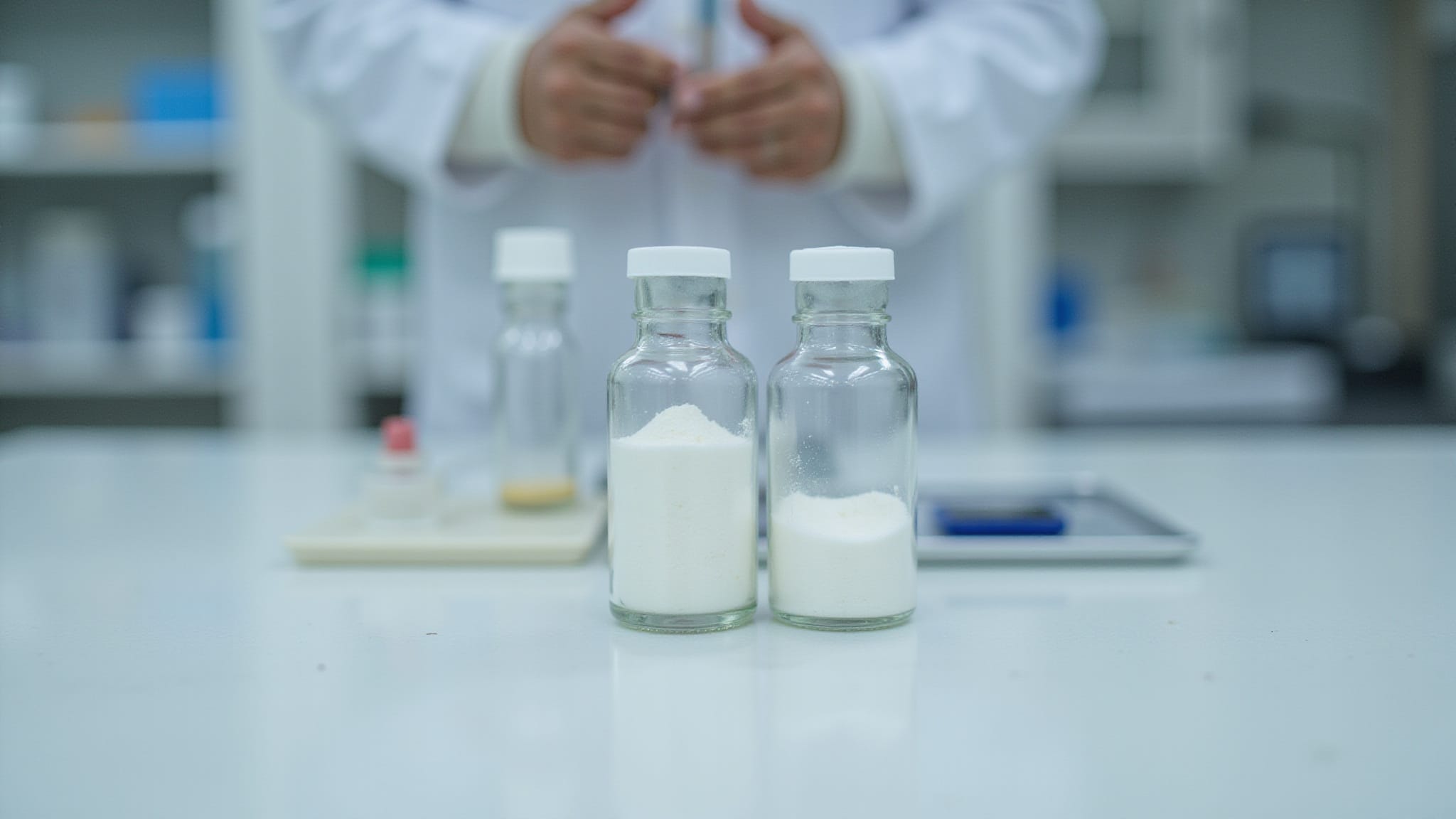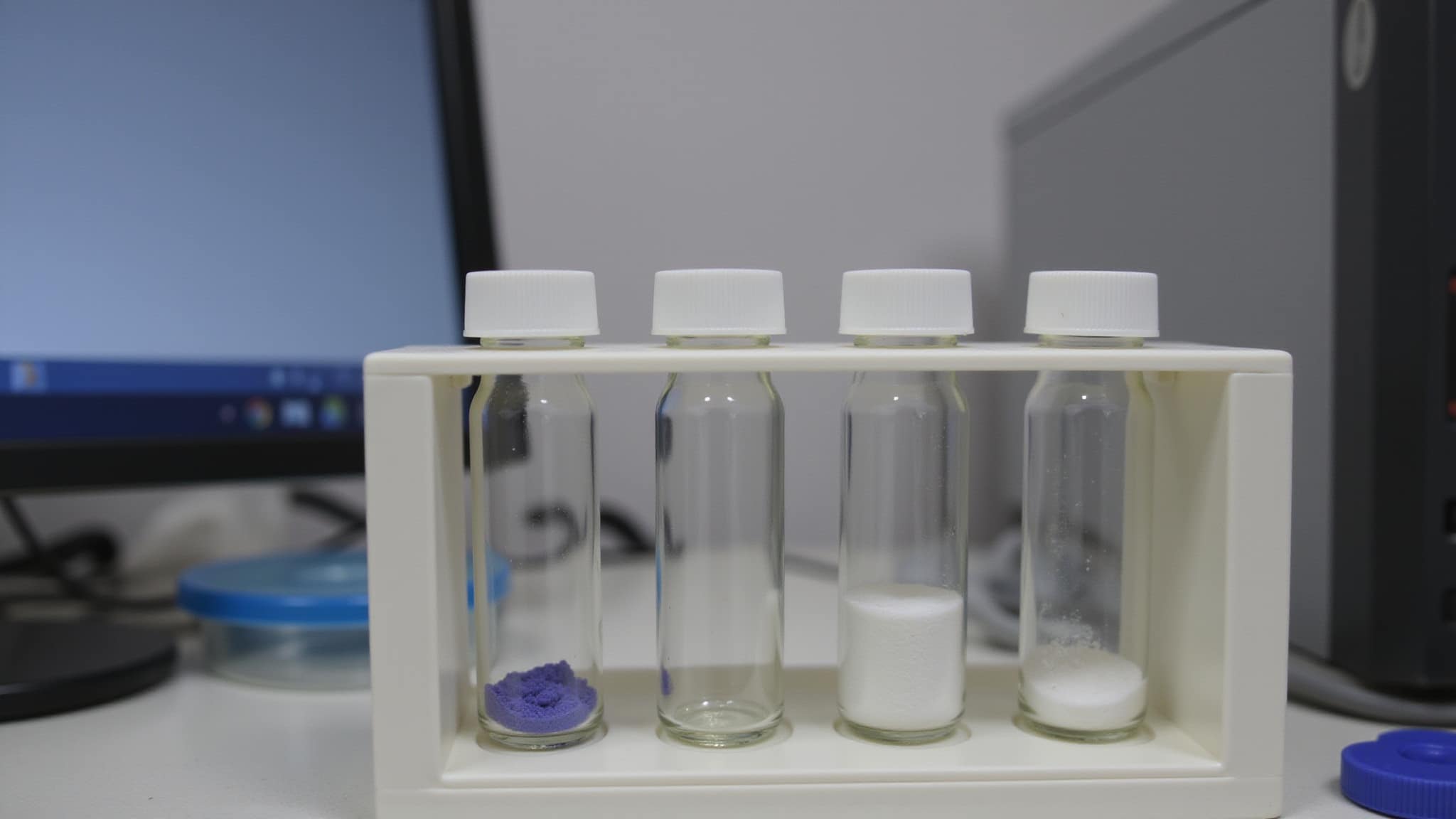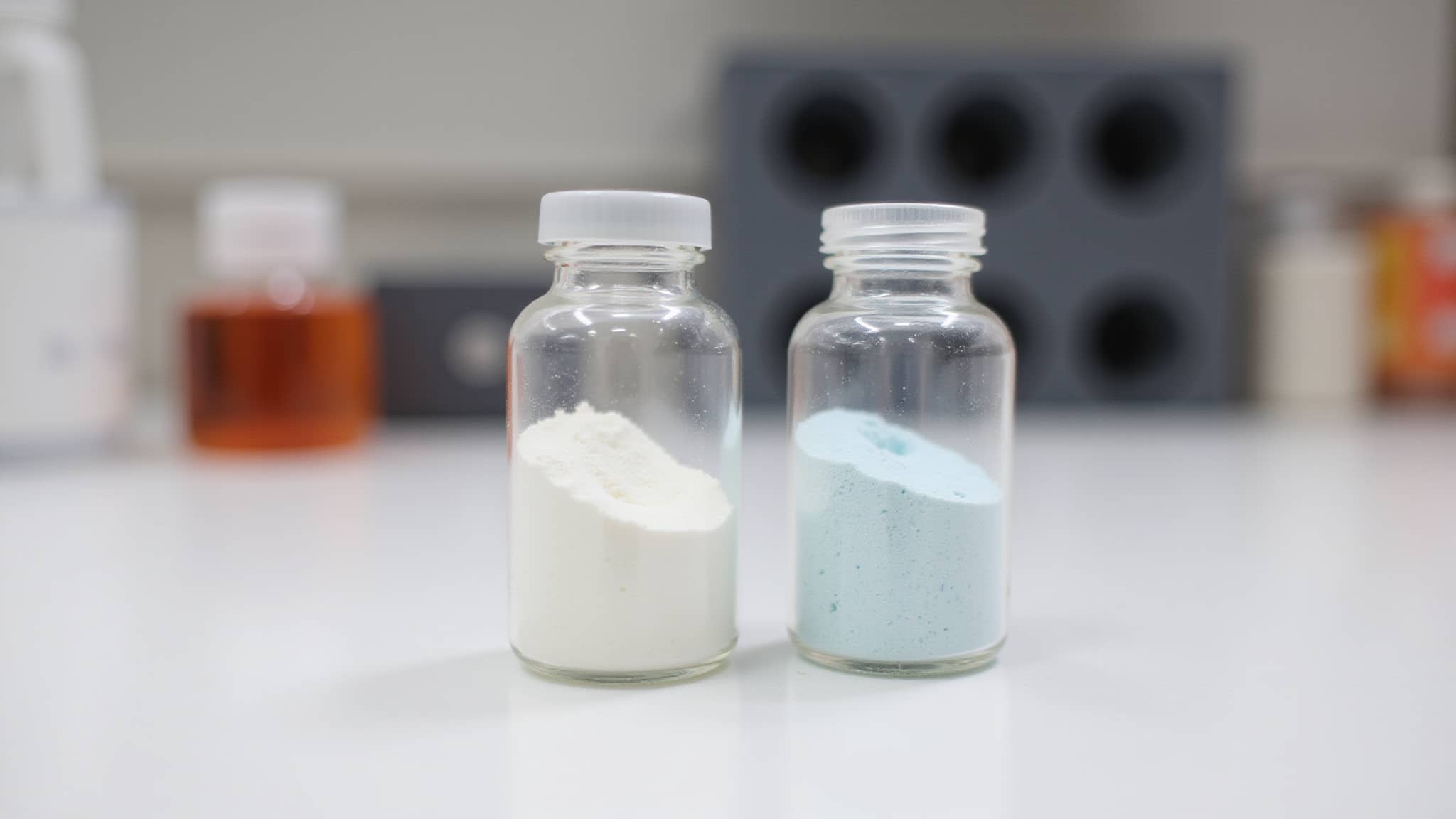
When you buy peptides online labeled “research use only,” watch for red flags like missing FDA approval, no sterility certifications, or absent certificates of analysis, vendors exploit these to dodge liability while hiding contaminants, impurities, and inaccurate dosing. You’ll face bacterial endotoxins, heavy metals, unreliable storage degrading potency, and no guarantees against immunogenicity or overdosing without doctor oversight. Skip enticing low prices; demand independent lab tests and cGMP compliance to avoid health risks and FDA enforcement. Explore the details below for deeper safeguards.
Research Use Only Peptide Risks

When you purchase research use only (RUO) peptides online, vendors exploit regulatory loopholes with labels like “not for human or animal use” that primarily evade liability rather than guarantee, safeguard, or protect safety. These liability evasion mechanisms minimize disclosure about unapproved human injection, despite enticing marketing and low pricing; the FDA has issued warnings and lists dozens of risky peptides. You’ll face missing COA or no HPLC report, unverifiable purity, absent identity confirmation, and poor batch traceability, leading to contaminants, impurities, or wrong compounds per independent tests. Without sterility guarantees, you risk immunogenicity like antidrug antibodies, allergic reactions, or autoimmune issues from synthesis flaws. Regulatory guidelines require assessing these immunogenicity risks prior to any market authorization. Research peptides lack quality testing for contamination or accurate dosing, manufactured in unregulated facilities. Grey-market RUO peptides remain unregulated and carry significant safety risks despite potential regulatory shifts. Long-term effects, hormonal imbalances, and organ damage remain unknown due to absent clinical data.
No FDA Rules for Online Peptides
You encounter no FDA approval standards for online peptides, as the agency lacks a specific regulatory definition for “research peptides,” leaving most unapproved for any human use. Vendors exploit this vacuum by promoting unregulated human use through “research only” labels, yet FDA deems such marketing misbranded under the FD&C Act, rendering personal administration illegal. Expect enforcement warning letters targeting online sales, with intensified scrutiny in 2024-2025 on counterfeit and adulterated products.
Unregulated Human Use
| Risk | Consequence | Legitimate Alternative |
|---|---|---|
| RUO human use | FDA penalties | FDA-approved insulin |
| No safety data | Immunogenicity | Licensed pharmacies |
| Unapproved compounding | Legal action | Verified COAs/lots |
| Online sales | Health/sports bans | NDA/BLA peptides |
| International | Local violations | Supervised prescriptions |
No Approval Standards
Online peptides lack FDA approval standards, leaving buyers exposed to unverified safety, purity, and efficacy. You can’t legally buy therapeutic peptides online without an NDA or BLA, as unapproved ones are misbranded under the FD&C Act. RUO labels don’t protect human use, and off-label prescribing is prohibited.
Watch for these red flags signaling no approval standards:
- Missing no lot number or no batch records, blocking traceability.
- Absent batch-specific COAs with purity, identity tests.
- No FDA registration for manufacturing or distribution.
- Unlisted on FDA bulk drug lists for compounding (e.g., BPC-157 Category 2)
- Therapeutic claims despite RUO disclaimers, risking penalties[facts].
Enforcement Warning Letters
The FDA aggressively enforces rules against online peptide sellers through warning letters, targeting firms like Prime Peptides, Summit Research Peptides, Swisschems, and Xcel Research for marketing unapproved GLP-1 treatments as research chemicals despite human-use claims on websites and social media. These enforcement actions address violations of the Federal Food, Drug, and Cosmetic Act, requiring companies to respond within 15 working days with corrective measures.
| Violation Type | Example Peptides | Enforcement Action |
|---|---|---|
| Unapproved GLP-1 marketing | Semaglutide, CJC-1295, Ipamorelin | FDA Warning Letters (100+) |
| Compounding pharmacy sales | BPC-157, Thymosin Beta-4, Melanotan II | Category 2 restrictions (late 2023) |
| Unlicensed online distribution | Unknown origin products | Seizures; DEA collaboration |
Enforcement against compounding pharmacies intensified when the FDA categorized 17 peptides as Category 2 under Section 503A, citing significant safety risks including immune reactions and impurities. Indicators triggering action include absent U.S. addresses, no licensed pharmacist availability, and missing state pharmacy licensing.
Missing Clean Room Sterility
Vendors lacking cleanroom sterility certification expose your peptides to contamination risks that undermine research validity. When suppliers don’t maintain ISO-compliant facilities, you’re accepting products synthesized in uncontrolled environments that violate FDA cGMP standards and EMA guidelines.
Red flags indicating missing cleanroom sterility include:
- Absence of ISO 14644 documentation or ISO Class certification levels
- No evidence of continuous environmental monitoring for viable and non-viable contaminants
- Missing HEPA filtration systems or unidirectional airflow verification
- Lack of documented sterility assurance protocols meeting USP <797> standards
- No batch-specific cleanroom data or environmental excursion reports
Without sterility assurance systems, vendors can’t guarantee contamination-free peptides. You’ll face compromised experiments, irreproducible results, and failed regulatory audits if your research requires validated materials. Demand cleanroom certification and complete environmental monitoring documentation before purchase. When evaluating suppliers, consider the peptide synthesis best practices for researchers to ensure high-quality products. Look for manufacturers that adhere to these guidelines, as they will prioritize procedures that mitigate contamination risks.
Unreliable Dosing and Storage

Unreliable dosing and storage practices from online peptide suppliers compromise your research outcomes and safety. You’ll face inconsistent concentration across batches, where one shipment yields effective results but the next disappoints due to weak quality control and absent standardized testing. Online vendors lack manufacturing oversight, delivering inaccurate concentrations that undermine reliability and predictability in your experiments. lyophilization benefits in peptide production, as it enhances stability and extends shelf life, ensuring that peptides remain potent and effective. This method reduces the risk of degradation during storage and facilitates easier shipping, making it an attractive option for researchers seeking reliable peptides. By implementing lyophilization, suppliers can improve product consistency and quality, ultimately leading to more trustworthy experimental outcomes.
Improper storage and degradation further erode peptide integrity, as suppliers fail to maintain controlled conditions or provide clear packaging recommendations. Temperature fluctuations during shipping silently degrade compounds, reducing biological activity even if initial purity held. Without batch-specific COAs or traceability, you can’t verify contents, risking invalid data, inconsistent reproducibility, and health hazards from dosing errors.
Contamination From Impure Sources
Online vendors flood marketplaces with contaminated peptides, as LegitScript reports a 308% surge in problematic ads in 2024 versus 2023, spiking further to 678% over 2022 levels. You face serious health risks when purchasing from unregulated sources lacking proper analytical documentation. When evaluating suppliers, key considerations for peptide suppliers should include their compliance with industry regulations and the transparency of their manufacturing processes. It’s crucial to verify their quality assurance measures, as this can significantly impact the safety and efficacy of the peptides you acquire.
Key contamination concerns you should recognize:
- Bacterial endotoxin contamination from counterfeit products triggers sepsis-like reactions and hospitalizations
- Peptide impurities from synthesis at ~1% contamination levels trigger false immune responses despite appearing minimal
- Zero active ingredient found in FDA-seized counterfeits, rendering products ineffective
- Heavy metals and solvents detected alongside dosing inaccuracies in gray-market vials
- “Not for human consumption” labels obscure intended use while vendors make unverified purity claims
Demand verification through independent lab testing and complete certificates of analysis before purchase.
No Doctor Oversight or Labs
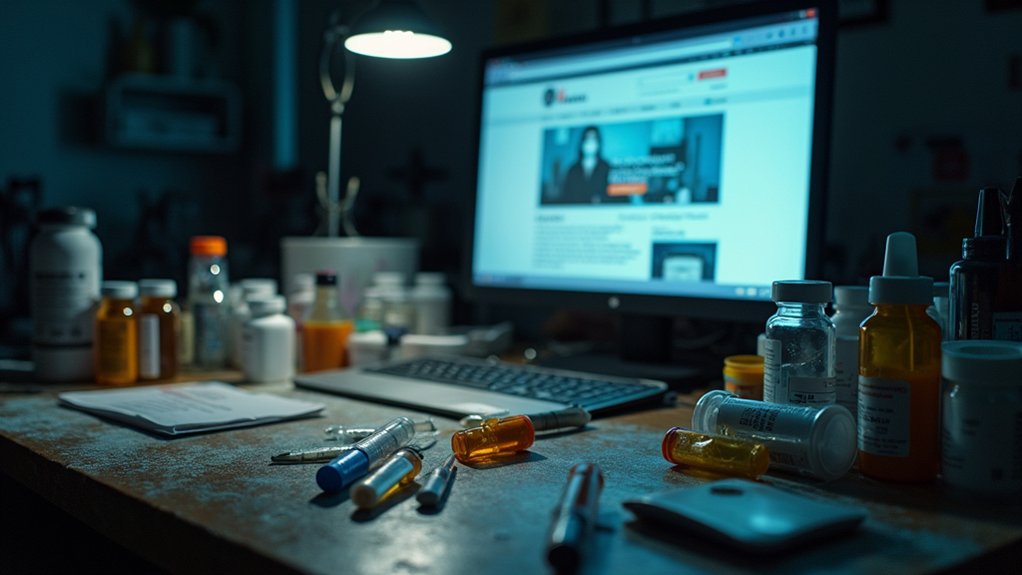
You miss baseline bloodwork and ongoing tests for organ function, failing to catch adverse effects or adjust protocols, which raises toxicity risks. Improper dosing relies on generic instructions, ignoring body weight or response, leading to overdosing from unverified concentrations. Unmanaged side effects go unchecked, no intervention for reactions, hormonal disruptions, or allergies, prolonging complications. Ignored drug interactions overlook medication conflicts or synergies, amplifying harm without guidance.
Unverified Supply Chains
Spot these red flags:
- No third-party validation from labs like Optima, bypassing GMP/ICH Q6B.
- Inadequate testing omitting MS, amino analysis, or orthogonal impurity checks.
- Poor traceability without batch logs, SOPs, or peak purity via LC-MS.
Legal Dangers of Online Buys
When you buy peptides online, FDA enforcement actions target unapproved or misbranded products, issuing warning letters and pursuing prosecutions like the Department of Justice case against Tailor Made Compounding, which resulted in $1.79 million forfeiture. State age restrictions and prescription rules in places like Oregon, Washington, and California make unauthorized purchases illegal, exposing you to customs seizures and federal penalties. You also face personal liability risks, including fines, imprisonment, malpractice suits, or professional discipline if you recommend or use these unregulated peptides.
FDA Enforcement Actions
- Warning letters to Xcel Peptides, Swisschems, and others demand sales cessation within 15 days or risk seizures/injunctions.
- Prior actions shut down Synthetix and US Chem Labs websites for human-use marketing.
- Early 2025 injunction halted a compounding pharmacy for adulterated peptides lacking sterility, purity testing.
- RUO labels fail if sites imply therapeutic benefits like wound healing or anti-aging.
- Non-compliance invites criminal prosecutions; stick to FDA-approved sources.
State Age Restrictions
| Penalty Type | Consequence | Jurisdiction Example |
|---|---|---|
| Audits/Suspensions | Account freezes by Stripe/Shopify | US States |
| Financial Fines | Up to £10,000 per violation | UK Trading Standards |
| Store Marking | “Unsafe” status, full suspension | Shopify Policy |
| Payment Holds | Settlements withheld | Financial Institutions |
| Ecosystem Removal | Banned from sales platforms | Consumer Protection |
You risk audits, fines, or frozen funds if you bypass checks, verify ID or credentials first.
Personal Liability Risks
- Expect customs seizures of shipments from unregulated sources, leaving you without recourse.
- Risk fines, imprisonment, or DOJ prosecution, as seen in cases with $1.79 million forfeitures.
- Face malpractice suits, board discipline, or license loss if you’re a provider.
- Incur civil lawsuits from patient harm due to contaminants or impurities.
- Deal with employment dismissal or sports bans from unapproved use.
Shop Research Peptides at Holas Today
If you are looking for research peptides that are properly handled, securely packaged, and shipped with care, Holas has you covered. We provide laboratory-grade peptides with third-party tested purity, reliable packaging standards, and fast shipping to support your research needs. Browse our full catalog or contact us to find the right peptides for you today.
Frequently Asked Questions
How to Spot Fake COAS?
Spot fake COAs by checking for HPLC purity without mass spectrometry identity confirmation, missing chromatograms, or unverifiable batch codes. You’re wary if there’s no lab signature, third-party verification, or ICH-validated methods, avoid generic tests like titration or TLC. Demand ≥98% purity with main peak data and impurity breakdowns to guarantee reproducibility; poor graphs signal fakes.
What Packaging Preserves Stability?
You’ll preserve peptide stability by selecting inert containers, amber glass or opaque materials shield light-sensitive compounds, while low-protein binding polypropylene prevents absorption. Guarantee inert gas sealing with nitrogen or argon post-dispensing to eliminate oxidation risks. Include desiccant packets maintaining humidity below 50%, preventing moisture-induced degradation. Verify screw-caps with O-ring seals provide airtightness. Demand vendors document these specifications; absent packaging details signal compromised stability and unreliable research materials.
Which Peptides Remain Fda-Approved?
You receive FDA approval only for Zycubo (copper histidinate), Yuviwel (navepegritide), Loargys (pegzilarginase-nbln), Adquey (difamilast), and Bysanti (milsaperidone) in 2026. Category 2 peptides like BPC-157 and Thymosin Beta-4 lack full approval despite reclassifications; you’re warned they’re research-grade, risking impurities and unverified purity without COAs. Verify vendor docs to safeguard your experiments.
How to Verify Vendor Legitimacy?
Verify vendor legitimacy by confirming business registration via state Secretary of State lookup, matching website to registered entities, and checking domain age through WHOIS. Demand batch-specific COAs with HPLC/MS data, test dates, and lab details, reject generics or samples. Scrutinize contact info for stable, accountable channels; avoid WhatsApp-only or reused numbers. Verify third-party labs and pricing outliers to prevent fraud and compromised research.
Are Oral Peptides Safer?
No, you don’t get blanket safety with oral peptides, they face GI degradation, low bioavailability, and risks from permeation enhancers like SNAC that may damage intestinal barriers. Immunogenicity persists from impurities, mirroring injectables, with rare severe events needing surveillance. Verify vendor COAs rigorously; poor sourcing amplifies toxicity uncertainties in experiments.