You explore frequently studied peptides like insulin, discovered in 1921 by Banting and Best, which revolutionized diabetes treatment via recombinant DNA production in bacteria or yeast. Oxytocin drives uterine contractions during childbirth through pulsatile pituitary release and receptor upregulation. Cyclosporin aids transplant success by modulating immunity and stability. Regenerative stars BPC-157 and TB-500 accelerate wound healing, muscle repair, and angiogenesis. You’ll uncover their mechanisms and research frontiers ahead.
Why Therapeutic Peptides Spark Research

Therapeutic peptides spark research because their market reaches USD 49.7 billion in 2025 and grows at an 8.1% CAGR through 2033, fueled by rising chronic diseases like cancer and autoimmune conditions. You explore research-use-only peptides as controlled experimental compounds in scientific literature, where over 80 FDA-approved drugs and 150+ trials highlight oncology (30% of trials) and metabolic diseases (25%). Phase success rates exceed small molecules, with 10% of recent approvals being peptides and 18% in Phase 2/3 pipelines. Semaglutide sales reached $13.9B in 2023, underscoring blockbuster potential in metabolic therapeutics. You prioritize scientific literature peptides for their stability, receptor interactions, and reproducibility in in vitro models, driven by R&D investments, AI optimizations cutting discovery by 40%, and PDC pipeline growth.
Insulin: Pioneering Diabetes Peptide
You trace insulin’s origins to its 1921 discovery by Banting and Best, who extracted it from animal pancreases to treat diabetes in pioneering human trials. You examine how recombinant DNA technology now produces insulin by inserting human genes into bacteria or yeast, ensuring scalable, pure supply for research. These advances enable your precise study of its structure and mechanisms in controlled assays.
Discovery and Development
Before the discovery of insulin, diabetes was a death sentence, patients followed starvation diets and rarely survived more than a few years after diagnosis. You’ll find that breakthrough came through systematic experimentation:
- Banting and Best ligated pancreatic ducts in dogs (1921), isolating islets to yield glucose-controlling extract
- Collip purified insulin for human use by late 1921, enabling safer administration
- Leonard Thompson, a 14-year-old patient, received the first injection in January 1922 with transformative results
- Eli Lilly scaled production using porcine pancreata starting May 1922
This peptide mechanism research revolutionized diabetes treatment. Understanding receptor binding peptides and signaling pathway peptides emerged from studying how insulin interacts with cellular targets. Subsequent structural advances, including Sanger’s complete protein sequencing (1951, 1955) and Hodgkin’s X-ray crystallography, deepened knowledge of insulin’s molecular architecture, establishing foundations for modern peptide therapeutics. This peptide mechanism research revolutionized diabetes treatment. Understanding receptor binding peptides and signaling pathway peptides emerged from studying how insulin interacts with cellular targets. Subsequent structural advances, including Sanger’s complete protein sequencing (1951, 1955) and Hodgkin’s X-ray crystallography, deepened knowledge of insulin’s molecular architecture, establishing foundations for modern peptide therapeutics and informing practical logistics such as shipping peptides to California for regulated research distribution.
Modern Production Methods
Modern insulin production has evolved dramatically since Banting and Best’s breakthrough, shifting from extracting pancreatic tissue to synthesizing peptides through recombinant DNA technology in controlled microbial systems. You encounter bacterial expression systems like E. coli, where you transform plasmids with proinsulin genes, harvest cells by centrifugation at 7500 x g, solubilize inclusion bodies, and refold them via the efficient proinsulin method, fewer steps than the two-chain approach using separate A/B chain fermenters and disulfide bonding. Alternatively, you use yeast expression systems such as Saccharomyces cerevisiae with α-factor signals for 80 mg/ml yields or Pichia pastoris for analogs like Insulin Aspart, matching bacterial space-time yields with less glycosylation. Recombinant generation guarantees superior purity, cuts costs, and lowers emissions versus synthesis, with innovations like PCR cloning and plant systems boosting efficiency.
Oxytocin: Childbirth Peptide Power
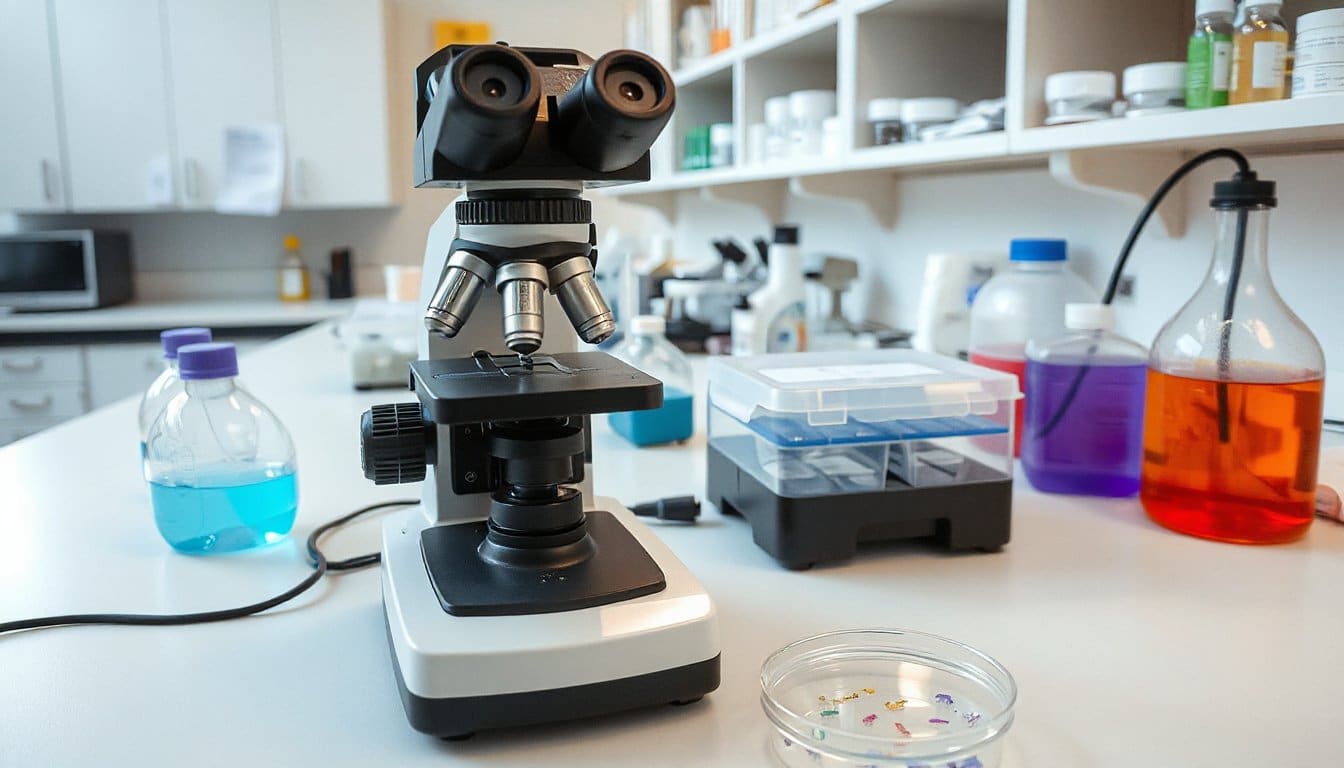
Oxytocin, produced in the hypothalamus’s paraventricular and supraoptic nuclei, drives uterine contractions during childbirth by binding to myometrial receptors, elevating intracellular calcium, and triggering a positive feedback loop via the Ferguson reflex. You’ll find that this peptide’s effectiveness depends on critical biochemical conditions:
- Production and secretion: Pulsatile release from the posterior pituitary increases 3- to 4-fold during fetal expulsion, with amplitude and frequency reaching three pulses per ten minutes before delivery.
- Mechanism in uterine contractions: Oxytocin receptor density increases up to 200-fold by gestation’s end due to estrogen/progesterone ratio shifts, amplifying contractile response.
- Role in labor progression: The peptide doubles in blood plasma during the latent phase, boosting prostaglandin production to intensify contractions and advance labor.
- Experimental stability: Understanding receptor binding kinetics and calcium signaling pathways requires controlled assay conditions to verify measurable biochemical interactions.
Cyclosporin: Transplant Immune Suppressor
In labs, you assess peptide stability in buffers during hepatic CYP3A4 metabolism studies (half-life 8.4-27 hours), peptide solubility research for oral peak at 1.5-2 hours, and peptide aggregation considerations in therapeutic monitoring (heart/liver: 250-350 ng/mL initially). In labs, you assess peptide stability in buffers during hepatic CYP3A4 metabolism studies (half-life 8.4, 27 hours), peptide solubility research for oral peak at 1.5, 2 hours, and peptide aggregation considerations in therapeutic monitoring (heart/liver: 250, 350 ng/mL initially), highlighting the importance of peptide purity levels for obtaining reliable and reproducible research data.
BPC-157: Regenerative Wound Healer
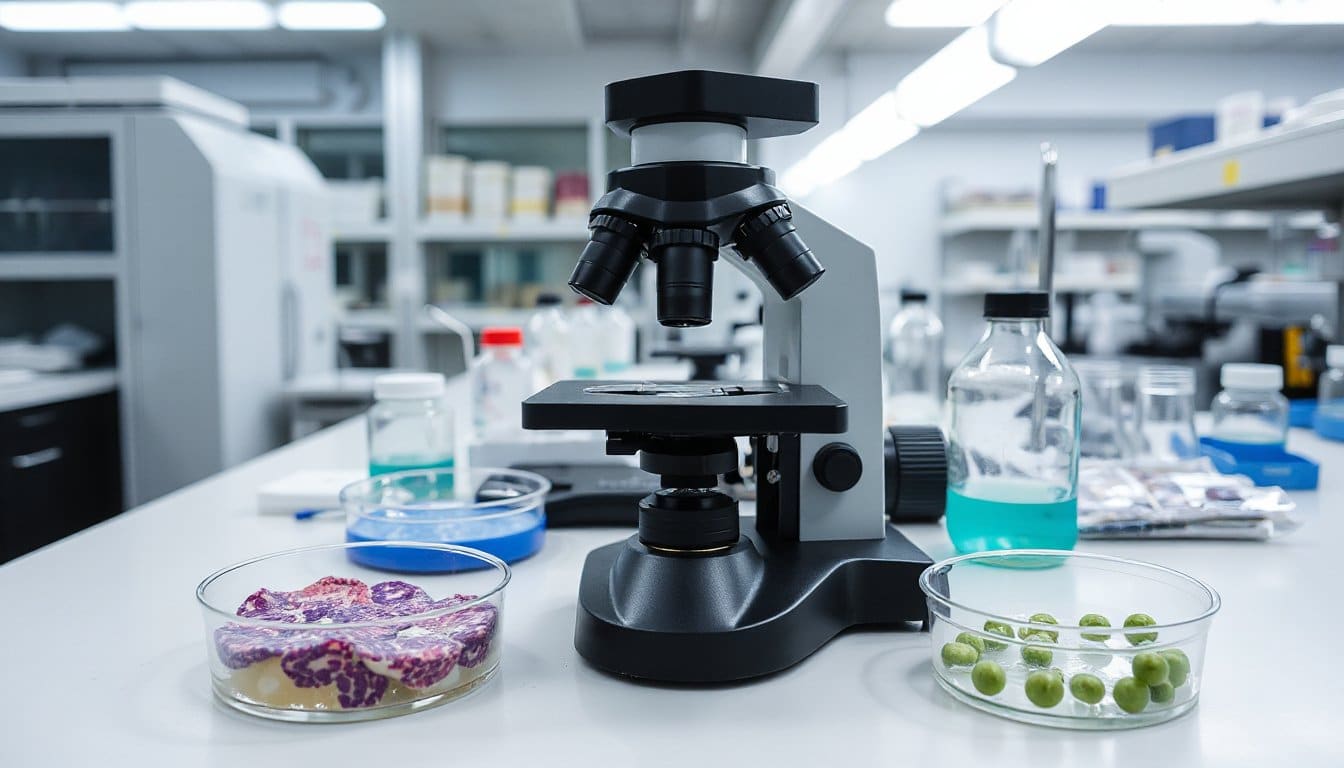
- Histological gains: Boosts granulation, reepithelialization, collagen via ERK1/2 and Masson staining.
- Cellular drive: Spurs angiogenesis, tube formation exceeding antiulcer agents.
- Tissue scope: Heals tendons, ligaments, fistulas, corneas through vessel resolution and growth factors.
- Stability edge: Long half-life sustains activity, maturing collagen unlike PDGF-BB.
You confirm reproducibility in controlled assays.
TB-500: Muscle Recovery Booster
You accelerate muscle repair with TB-500, a synthetic thymosin beta-4 fragment that stimulates cell migration to injury sites and promotes angiogenesis for faster tissue regeneration. You’ll enhance recovery mechanisms as it downregulates NF-κB to curb inflammation, boosts stem cell survival, and minimizes scar tissue in muscle, tendon, and ligament models. Research in animals and early human trials confirms these effects, though rigorous clinical data remains limited.
Accelerated Muscle Repair
- Enhance satellite cell activation and myoblast migration to injury sites, speeding functional recovery.
- Reduce muscle fibrosis, preventing long-term impairment and scar formation.
- Strengthen muscles, tendons, ligaments against reinjury via upregulated hepatocyte growth factor.
- Improve blood flow through angiogenesis, delivering oxygen and nutrients for tissue rebuilding.
You optimize controls for reproducibility in these research-only applications.
Enhanced Recovery Mechanisms
TB-500, a synthetic version of the naturally occurring protein Thymosin Beta-4, enhances muscle recovery through multiple interconnected mechanisms that accelerate healing and restore function after training stress or injury. You regulate actin polymerization and depolymerization, facilitating cell migration to injury sites while promoting angiogenesis for improved circulation. You reduce inflammation by downregulating the NF-κB pathway, lowering swelling in muscles and joints, and support tissue regeneration of fibers, tendons, and ligaments. In athlete recovery, you speed healing from sprains and strains, shorten downtime, and boost resilience. Guarantee peptide identity verification, use assay controls peptides, and maintain experimental reproducibility peptides for reliable lab results.
GHK-Cu: Anti-Aging Skin Peptide
- Tightens loose skin, reverses thinning, improves firmness, elasticity, and clarity.
- Reduces fine lines, deep wrinkles, photodamage, hyperpigmentation, and lesions.
- Repairs barrier proteins, smooths rough texture, boosts epidermal stem cell markers like p63.
- Activates antioxidants (SOD), quenches peroxidation, reprograms aged genes to youthful states.
Shop Research Peptides at Holas Today
If you are looking for research peptides that are properly handled, securely packaged, and shipped with care, Holas has you covered. We provide laboratory-grade peptides with third-party tested purity, reliable packaging standards, and fast shipping to support your research needs. Browse our full catalog or contact us to find the right peptides for you today. We understand that timely shipping peptides is crucial for the success of your experiments. That’s why our logistics team is dedicated to ensuring that your orders arrive quickly and in perfect condition. With Holas, you can be confident in the quality and reliability of both the products and their delivery.
Frequently Asked Questions
Are These Peptides FDA Approved?
No, you don’t use FDA-approved peptides like BPC-157, Thymosin Alpha-1, GHK-Cu, or TB-500; they’re Category 2 substances banned for compounding since 2023 due to safety risks. You study them only in research settings with verified identities. A potential 2026 shift to Category 1 for 14 peptides awaits FDA confirmation. Approved options include insulin and GLP-1 drugs.
What Are Side Effects?
You experience common mild side effects like nausea, headaches, fatigue, injection site reactions, and gastrointestinal issues from peptides. Hormonal disruptions cause insulin resistance, heightened cortisol, and appetite changes. Serious risks include organ strain, cardiovascular issues, pancreatitis, and cancer potential. Long-term effects bring unknown organ damage, dependence, neurological issues, contamination, and allergies.
How to Purchase Legally?
Purchase research peptides legally by selecting U.S. vendors offering third-party tested products (>99% purity via HPLC/mass spectrometry) with batch-specific COAs and “research use only” labels. Verify no human consumption claims; use secure payments and temperature-controlled shipping. Avoid compounding pharmacies for unapproved peptides, restrict to lab research, not human use.
What Are Clinical Trial Results?
You find semaglutide’s clinical trials show 1.5% HbA1c reduction in 9,543 SUSTAIN participants with type 2 diabetes, 20% cardiovascular risk reduction in 17,604 SELECT participants, and 15% average weight loss in 4,567 STEP participants. Tirzepatide delivers superior dual GLP-1/GIP efficacy in SURPASS trials. BPC-157 exhibits tissue healing and inflammation reduction in Phase II trials like NCT04919239.