
For laboratory and research use only. Not for human consumption.
Sermorelin is a growth hormone releasing hormone (GHRH) analog studied for its role in prompting the pituitary gland to produce growth hormone. This collection groups sermorelin with related secretagogue compounds used in laboratory research on the growth hormone axis, endocrine signaling, and age related changes in GH output. Every item here is intended for controlled research use only.
Sermorelin corresponds to the first 29 amino acids of GHRH, the fragment that carries its biological activity. Researchers use it to study how the pituitary responds to GHRH stimulation without introducing the full length hormone.
Because sermorelin acts upstream rather than replacing growth hormone directly, it leaves the body’s own feedback regulation in place. That makes it a common tool in models of pulsatile GH secretion.
Placing sermorelin next to ipamorelin, CJC-1295, and tesamorelin lets researchers compare GHRH analogs and ghrelin receptor agonists inside one experimental framework.
The collection centers on Sermorelin as the primary GHRH analog. It sits alongside CJC1295 without DAC and the CJC No DAC and Ipamorelin blend for extended and combined GHRH activity, Ipamorelin as a selective ghrelin receptor agonist, and Tesamorelin as a stabilized GHRH analog often studied in metabolic contexts. Together they cover the main branches of growth hormone secretagogue research.
Lyophilized sermorelin is usually reconstituted with bacteriostatic water. Add the solvent slowly against the vial wall and swirl gently rather than shaking to protect the peptide.
Keep sealed vials cold and store reconstituted material in the refrigerator. Limit freeze thaw cycles, which reduce peptide integrity over time.
Record lot numbers, concentrations, and preparation dates so results stay reproducible across experiments.
Sermorelin is a synthetic peptide matching the active portion of growth hormone releasing hormone, studied for its effect on pituitary GH output.
Sermorelin acts on the GHRH receptor while ipamorelin acts on the ghrelin receptor. The two pathways are frequently studied side by side.
CJC-1295 is a longer acting GHRH analog, so pairing the two supports comparisons of half life and signaling duration.
Items in this collection are supplied as research grade material with documentation available for laboratory verification.
No. Every compound here is for laboratory research only and is not intended for human or veterinary use.
This collection keeps sermorelin and its related secretagogues in one place to support laboratory work on growth hormone releasing pathways. All products in this collection are supplied for laboratory and research use only. They are not for human or veterinary use.
Peptide

CJC No DAC + Ipamorelin 10mg
$75.00 Original price was: $75.00.$52.50Current price is: $52.50.
Peptide, Research Essentials
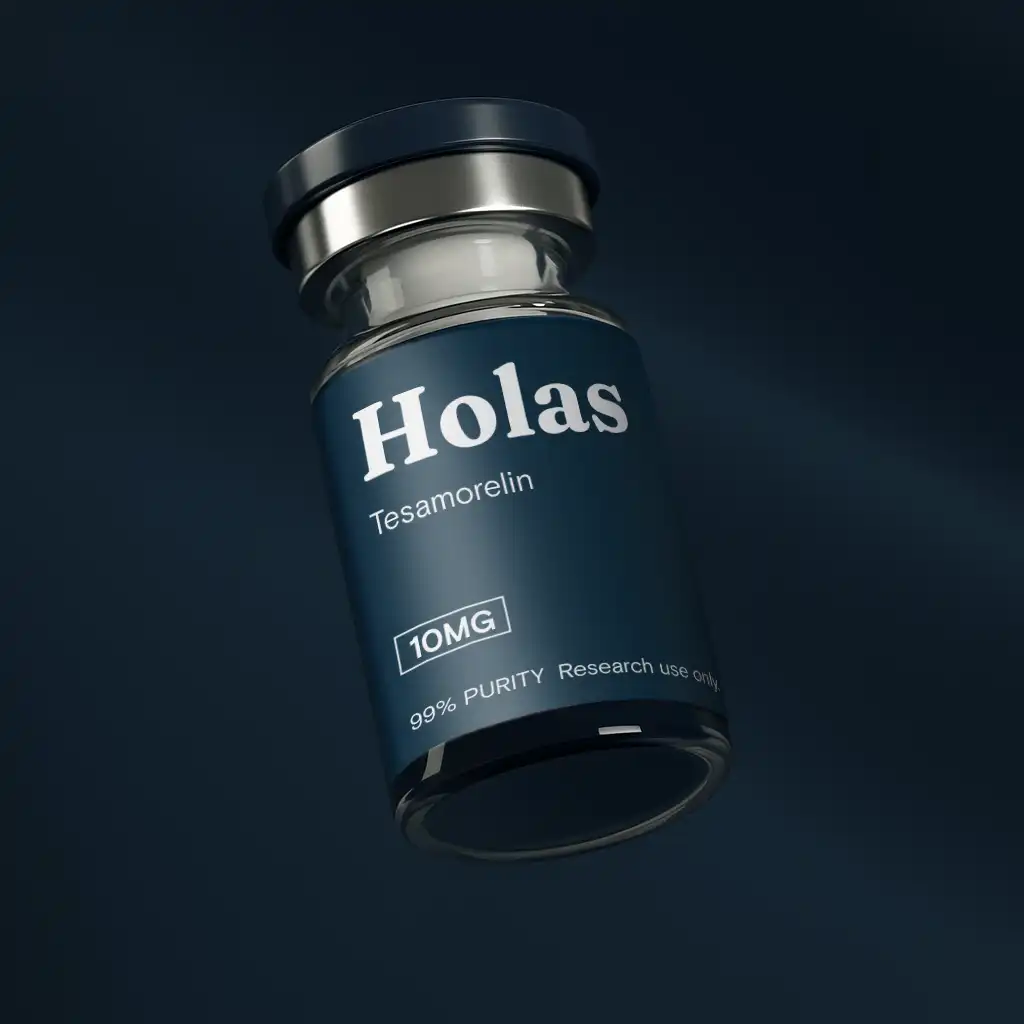
Tesamorelin
From $49.00
Peptide, Research Essentials
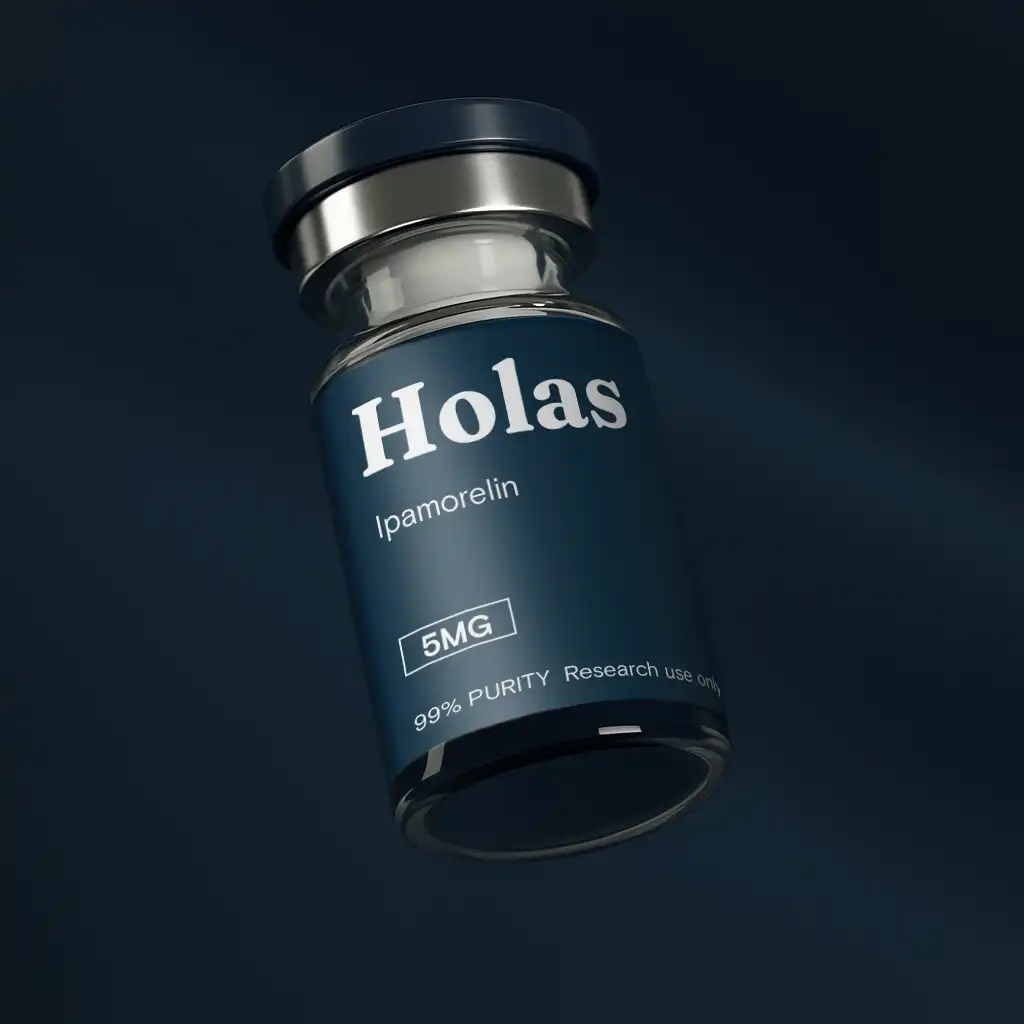
Ipamorelin
From $28.00
Peptide, Research Essentials
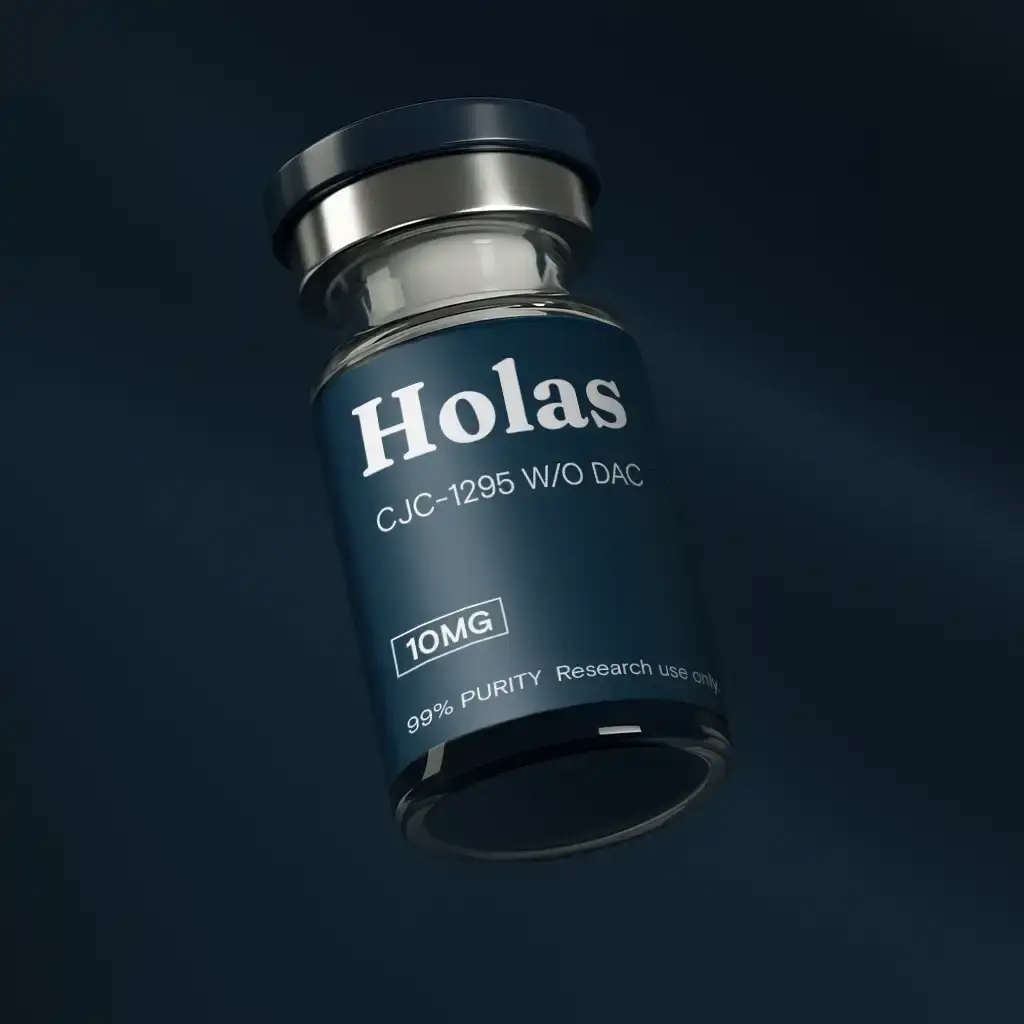
CJC1295 without DAC
$100.00 Original price was: $100.00.$70.00Current price is: $70.00.
Peptide, Research Essentials

Sermorelin
From $35.00
RESEARCHER ACCESS
Create your account to enter.
Products are sold exclusively to qualified researchers and licensed laboratories. They are not drugs, foods or cosmetics, and are not for human or veterinary use. Create your researcher account once; we will remember you on this device.