For laboratory and research use only. Not for human consumption.
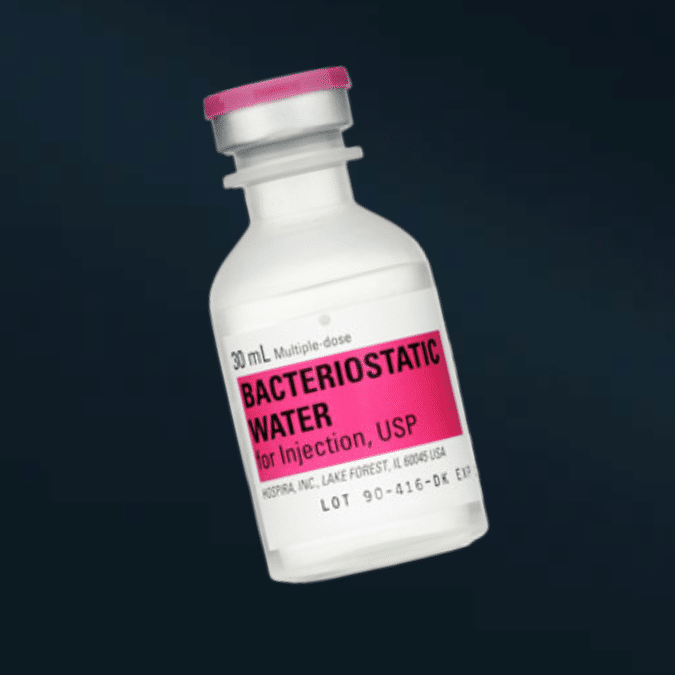
Ensure precise and effective peptide preparation with Reconstitution Solutions—sterile diluents used to transform lyophilized (freeze-dried) peptides back into a usable liquid form. These solutions play a critical role in maintaining peptide stability, sterility, and performance during research and wellness applications. Most commonly, reconstitution solutions include bacteriostatic water or other sterile injectable-grade liquids designed to support safe and consistent peptide handling.
Restore Lyophilized Peptides to Active Form
Reconstitution solutions are used to dissolve peptide powders, allowing them to return to a fully usable liquid state for accurate dosing and application.
Maintain Sterility and Stability
High-quality sterile diluents help reduce contamination risk and support peptide stability after reconstitution, preserving integrity during storage and use.
Support Multi-Dose or Single-Dose Needs
Depending on the formulation, some solutions (like bacteriostatic water) support multiple uses, while sterile water options are typically used for single-use applications.
Improve Consistency in Results
Using the correct reconstitution medium ensures reliable mixing, accurate concentration, and consistent performance across peptide applications.
Flexible Compatibility
Different peptides may require different diluents such as bacteriostatic water, sterile water for injection, or buffered solutions depending on sensitivity and intended use.
1. Sterile Formulation
Reconstitution solutions are manufactured under strict sterile conditions to minimize microbial contamination risk.
2. Preservative Options Available
Some solutions include preservatives (like benzyl alcohol in bacteriostatic water) to extend usability after opening, while others are preservative-free for single use.
3. Designed for Freeze-Dried Compounds
These solutions are specifically intended for lyophilized powders, helping preserve molecular structure during rehydration.
4. Research-Grade Versatility
They are widely used in laboratory and research settings for peptides, proteins, and other sensitive biological compounds.
Confirm the Correct Diluent
Always match the reconstitution solution to the peptide manufacturer’s recommendation to ensure stability and effectiveness.
Maintain Sterile Handling
Use sterile syringes, clean work surfaces, and proper handling techniques to prevent contamination during preparation.
Store Properly After Mixing
Once reconstituted, solutions should typically be refrigerated and used within recommended timeframes to maintain integrity.
Avoid Shaking Vials
Gentle swirling is preferred to avoid damaging delicate peptide structures.
1. What is a reconstitution solution?
A reconstitution solution is a sterile liquid used to dissolve freeze-dried peptides or proteins back into a usable liquid form.
2. Is bacteriostatic water the same as a reconstitution solution?
Bacteriostatic water is a type of reconstitution solution, but not all reconstitution solutions are bacteriostatic water.
3. Why is bacteriostatic water commonly used?
It contains a small amount of preservative (typically benzyl alcohol), which helps inhibit bacterial growth and allows multi-dose use.
4. Can sterile water be used instead?
Yes, but it is usually intended for single-use applications since it does not contain preservatives.
5. Why is choosing the right solution important?
The correct diluent ensures peptide stability, sterility, and accurate performance after reconstitution.
Reconstitution Solutions are a foundational part of peptide preparation, ensuring that freeze-dried compounds are properly restored, stable, and ready for use. By selecting the appropriate sterile diluent and following proper handling practices, you can maintain consistency, safety, and effectiveness across all peptide applications.
RESEARCHER ACCESS
Create your account to enter.
Products are sold exclusively to qualified researchers and licensed laboratories. They are not drugs, foods or cosmetics, and are not for human or veterinary use. Create your researcher account once; we will remember you on this device.