Peptide storage and stability products help laboratories keep research compounds intact from the moment they arrive to the point of use. Peptides react to heat, moisture, and light, so the way they are held between experiments has a direct effect on data quality. This collection brings together the storage solutions and supporting items used to protect lyophilized powders and reconstituted solutions in a working lab.
Correct storage slows the chemical breakdown that degrades peptides over time, so each vial performs as expected when a study begins.
Stable starting material keeps concentrations predictable, which makes results easier to repeat across runs and across team members.
Organized, controlled storage limits accidental loss and extends the working life of each compound, which lowers repeat purchasing.
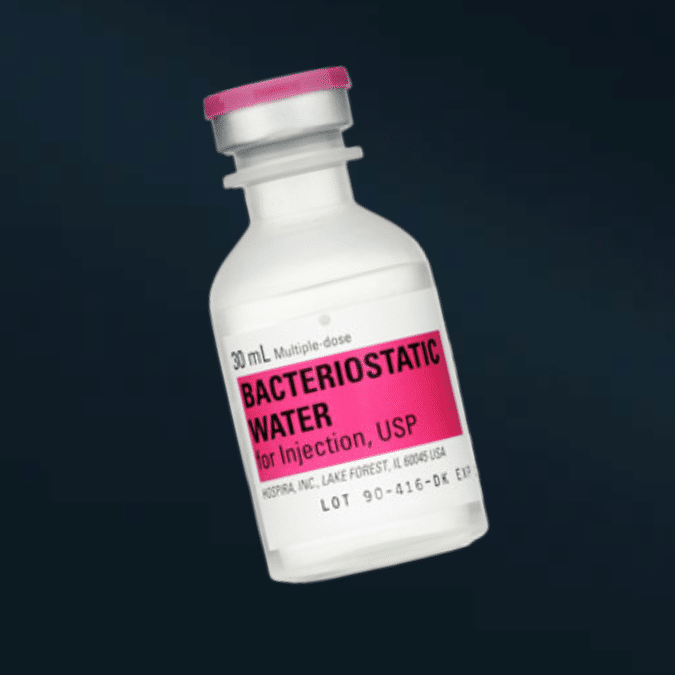
Used to reconstitute lyophilized peptides and to hold prepared solutions under refrigeration for short periods. The volume added sets the final concentration, so it plays a part in both preparation and short term stability.
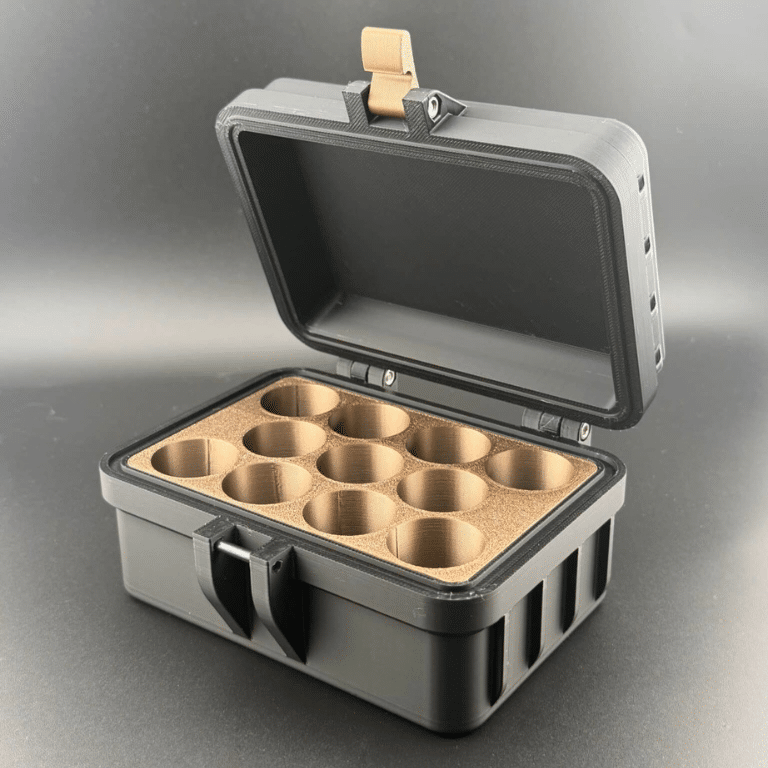
Keeps vials sorted, cushioned, and easy to track between sessions. A dedicated case protects labels and reduces handling errors during a project.
Sealed lyophilized peptides are usually held frozen for long term storage and kept away from light and moisture to preserve structure.
Once mixed, peptide solutions are generally refrigerated and used within a limited window, since stability drops after reconstitution.
Repeated freeze and thaw cycles can damage peptides, so solutions are portioned where possible to avoid warming the whole batch.
Clear labeling with the compound, concentration, and date supports accurate records and safe handling across a research team.
Sealed and frozen in a dry, dark place is the common approach for long term storage, following the conditions listed for each compound.
Prepared solutions are typically refrigerated and used within a short period. Exact stability depends on the peptide and the buffer used.
Degraded peptides can shift concentration and activity, which adds variation and makes results harder to reproduce.
It reconstitutes lyophilized peptides and supports short term storage of the resulting solution under refrigeration.
Repeated freeze and thaw cycles are generally avoided because they can reduce stability. Portioning solutions helps limit this.
Good storage is a small step that protects every experiment that follows. With the right supplies and a consistent routine, research teams keep peptides stable, concentrations accurate, and results dependable from the first vial to the last. All products in this collection are supplied for laboratory and research use only. They are not for human or veterinary use.