For laboratory and research use only. Not for human consumption.
Achieve consistent, sterile, and reliable peptide preparation with Peptide Reconstitution & Mixing Tools. These essential instruments are designed to support the careful process of dissolving, mixing, and transferring lyophilized peptides into usable solutions. From controlled liquid transfer to gentle mixing techniques, these tools ensure peptide integrity, accurate concentration, and contamination-free handling at every step.
Ensure Sterile and Contamination-Free Preparation
Proper mixing tools such as sterile syringes, alcohol wipes, and sealed vials help maintain aseptic conditions during peptide reconstitution, reducing the risk of contamination.
Support Gentle and Controlled Mixing
Peptides are sensitive molecules that require slow, careful handling. Specialized tools allow for controlled liquid addition and gentle swirling to preserve molecular structure.
Improve Measurement Accuracy
Precision syringes and graduated instruments ensure accurate liquid volumes, leading to consistent peptide concentrations and reliable results.
Protect Peptide Integrity
Correct mixing tools help avoid harsh agitation or improper handling that can degrade peptide bonds and reduce effectiveness.
Enable Efficient Workflow
Having the right tools on hand streamlines the reconstitution process from start to finish, improving consistency and reducing handling errors.
1. Precision Syringes & Needles
Insulin syringes (typically 29–31G) allow accurate measurement and smooth liquid transfer with minimal peptide loss.
2. Sterile Transfer Equipment
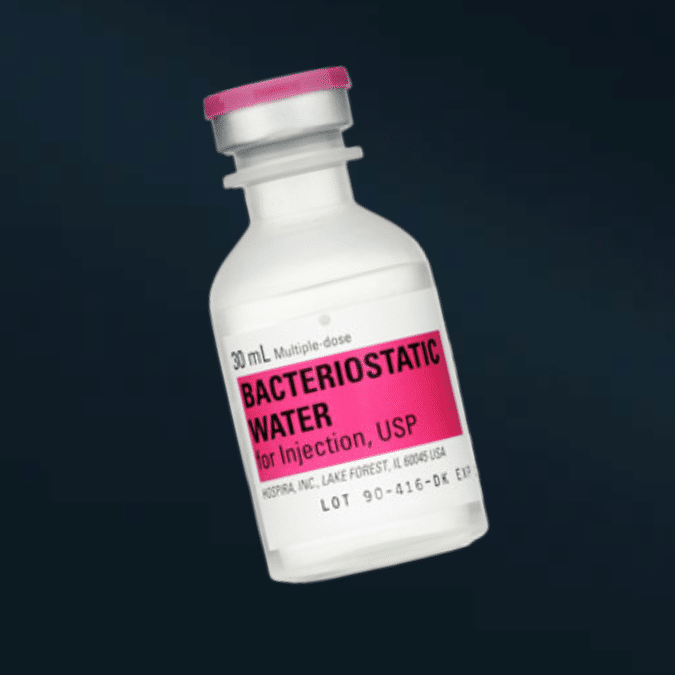
Larger gauge drawing needles and sterile syringes help safely transfer bacteriostatic or sterile water into peptide vials.
3. Mixing Vials & Containers
Sterile glass vials provide a clean, stable environment for reconstitution, storage, or splitting peptide solutions.
4. Alcohol Prep Supplies
70% isopropyl alcohol wipes are essential for disinfecting vial stoppers and maintaining aseptic technique.
5. Gentle Mixing Accessories
Tools and handling methods designed to support slow swirling or rolling instead of shaking, preserving peptide structure and activity.
Insulin Syringes (1 mL, 29–31G)
Used for precise measurement and controlled subcutaneous or laboratory-grade handling of peptide solutions.
Sterile Mixing Syringes (3 mL+)
Useful for drawing and transferring bacteriostatic water or sterile diluents safely.
Sterile Glass Vials (2 mL–10 mL)
Provide a contamination-free environment for peptide reconstitution and storage.
Alcohol Prep Pads (70% Isopropyl Alcohol)
Used to sanitize vial tops before puncturing to maintain sterility.
Bacteriostatic Water / Sterile Water
Common diluents used for dissolving lyophilized peptides into usable solutions under controlled conditions.
Prepare in a Clean Environment
Always work on a disinfected surface with clean hands or gloves to minimize contamination risk.
Add Diluent Slowly
Introduce liquid gently along the vial wall to avoid damaging sensitive peptide structures.
Avoid Shaking Vigorously
Swirl or gently rotate the vial instead of shaking to preserve peptide integrity.
Use Sterile, Single-Use Tools When Possible
Disposable syringes, needles, and wipes reduce contamination risks and ensure consistent results.
Label and Track Each Preparation
Clearly mark reconstitution date, concentration, and peptide name for safe handling and storage.
1. What are peptide reconstitution and mixing tools?
They are sterile instruments used to safely dissolve, mix, and handle lyophilized peptides into liquid form for use.
2. Why is special equipment needed for peptide mixing?
Because peptides are sensitive, they require sterile, precise, and gentle handling to maintain stability and effectiveness.
3. Can regular lab tools be used instead?
Non-sterile or inappropriate tools increase contamination risk and may damage peptide structure, so proper equipment is recommended.
4. What is the most important tool in reconstitution?
Sterile syringes, bacteriostatic water, alcohol prep pads, and sterile vials are considered core essentials.
5. Why is gentle mixing important?
Vigorous shaking can degrade delicate peptide bonds, while gentle swirling preserves molecular integrity.
Peptide Reconstitution & Mixing Tools form the foundation of safe and precise peptide handling. By ensuring sterile conditions, accurate measurement, and gentle mixing techniques, these tools help preserve peptide quality and deliver consistent, reliable results—supporting a professional-grade preparation workflow from start to finish.
RESEARCHER ACCESS
Create your account to enter.
Products are sold exclusively to qualified researchers and licensed laboratories. They are not drugs, foods or cosmetics, and are not for human or veterinary use. Create your researcher account once; we will remember you on this device.