
Ensure precision, sterility, and consistency in every step of peptide use with Peptide Preparation Supplies. These essential tools are designed to support the proper handling, mixing, and storage of lyophilized peptides, helping maintain stability and accuracy from reconstitution to administration. Whether for research environments or advanced wellness protocols, having the right preparation supplies is critical for reliable and effective peptide use.
Maintain Sterility and Safety
Proper peptide preparation requires a sterile environment. Supplies like alcohol wipes, sterile syringes, and bacteriostatic water help minimize contamination risk and preserve peptide integrity.
Ensure Accurate Dosing
Precision tools such as insulin syringes and calibrated vials allow for accurate measurement, ensuring consistent concentration and reliable results every time.
Support Peptide Stability
High-quality preparation materials help maintain peptide structure during mixing and storage, reducing the risk of degradation or contamination.
Enable Proper Reconstitution
Lyophilized peptides must be carefully reconstituted using sterile diluents like bacteriostatic water to restore them into a usable liquid form while maintaining stability.
Essential for Complete Peptide Protocols
From mixing to storage, preparation supplies ensure every step is done correctly, supporting better outcomes and safer handling practices.
1. Sterile Reconstitution Tools
Includes bacteriostatic water, sterile syringes, and mixing accessories designed for contamination-free peptide preparation.
2. Precision Measurement Equipment
Insulin syringes with fine gauge needles allow for accurate dosing and controlled administration.
3. Sanitization Essentials
Alcohol prep pads and sterile wipes help maintain a clean environment and reduce contamination risk during handling.
4. Storage and Handling Accessories
Sterile vials and labeling tools help maintain organization, stability, and traceability of prepared peptides.
5. Safe Disposal Solutions
Sharps containers ensure safe and responsible disposal of used needles and syringes.
Bacteriostatic Water
A sterile diluent containing 0.9% benzyl alcohol used to reconstitute freeze-dried peptides while helping prevent bacterial growth after opening.
Insulin Syringes (29–31G)
Designed for precise liquid measurement and subcutaneous administration.
Alcohol Prep Pads (70% Isopropyl Alcohol)
Used to sanitize vial tops and maintain sterile technique.
Sterile Vials
Used for mixing, storing, or splitting peptide solutions safely.
Sharps Container
Ensures safe disposal of used needles and maintains hygiene standards.
Work in a Clean Environment
Always prepare peptides on a disinfected surface with clean hands or gloves to avoid contamination.
Follow Proper Reconstitution Technique
Add bacteriostatic water slowly along the vial wall and avoid shaking to protect peptide structure.
Label Everything Clearly
Mark reconstituted vials with date, concentration, and peptide name for safe tracking.
Store Correctly After Preparation
Keep reconstituted peptides refrigerated and follow recommended storage timelines for stability.
1. What are peptide preparation supplies?
They are sterile tools and materials used to safely mix, dilute, store, and handle peptides before use.
2. Why are these supplies necessary?
They ensure sterility, accuracy, and stability, which are essential for maintaining peptide effectiveness.
3. Can peptides be prepared without these tools?
It is not recommended, as improper handling can lead to contamination or inaccurate dosing.
4. What is the most important preparation supply?
Bacteriostatic water, insulin syringes, and alcohol wipes are considered core essentials for peptide preparation.
5. How do these supplies improve results?
They help maintain peptide integrity and ensure consistent, reliable preparation for every use.
Peptide Preparation Supplies form the foundation of safe and effective peptide use. By ensuring sterile handling, accurate measurement, and proper storage, these tools help protect peptide quality and support consistent results—making every step of preparation reliable, safe, and precise.
Sterile Water
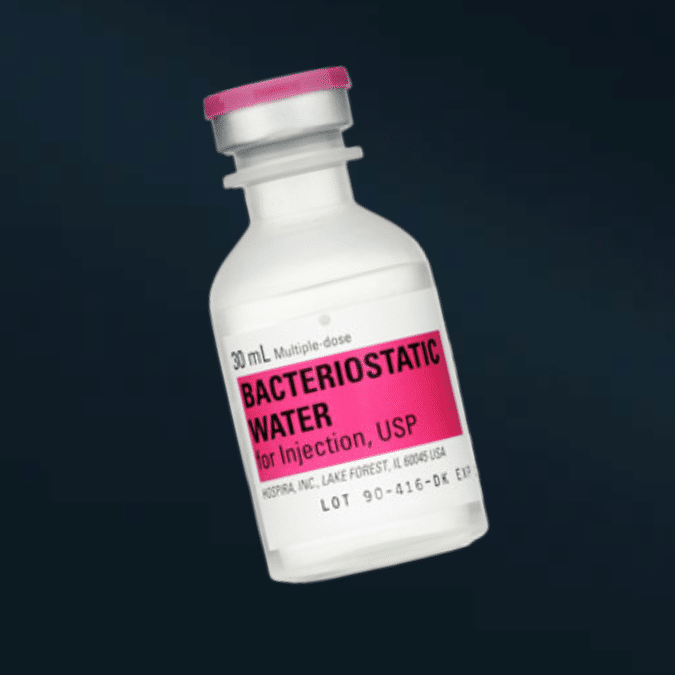
Bac Water (Fast Shipping)
$40.00