
For laboratory and research use only. Not for human consumption.
KLOW is a combination research peptide blend studied in skin, tissue, and recovery focused laboratory work. This collection groups the KLOW blend with the related GLOW blend and the copper peptide GHK-Cu so researchers can compare formulations built around regenerative signaling. Every item is supplied for research use only.
A blend lets researchers study several peptides acting together, which is useful when modeling overlapping repair and signaling pathways.
KLOW is oriented toward skin and connective tissue research, where copper and repair peptides are commonly studied.
Studying KLOW next to GLOW allows a direct look at how two related blends differ in composition and behavior.
The collection centers on the KLOW 80mg blend. It is grouped with the GLOW 70mg blend as a closely related formulation and GHK-Cu, a copper binding peptide studied in skin and tissue models. Together they cover the main regenerative blend options in the catalog.
Reconstitute the lyophilized blend with bacteriostatic water, adding solvent slowly along the vial wall and swirling gently.
Keep vials cold and store reconstituted material refrigerated, limiting freeze thaw cycles.
Record the blend composition, concentration, and preparation date for each vial to keep results reproducible.
KLOW is a multi peptide research blend studied in skin, tissue, and recovery focused laboratory work.
Both are research blends in this catalog, and comparing them highlights differences in their formulations.
GHK-Cu is a copper peptide frequently studied alongside regenerative blends, so it serves as a single compound reference.
All items are supplied as research grade material with documentation available for laboratory verification.
No. Every product in this collection is for laboratory research only and not for human or veterinary use.
This collection keeps the KLOW blend and its related regenerative peptides together for laboratory research. All products in this collection are supplied for laboratory and research use only. They are not for human or veterinary use.
Peptide, Longevity / Cosmetic Peptides, Performance Peptides, Recovery Peptides
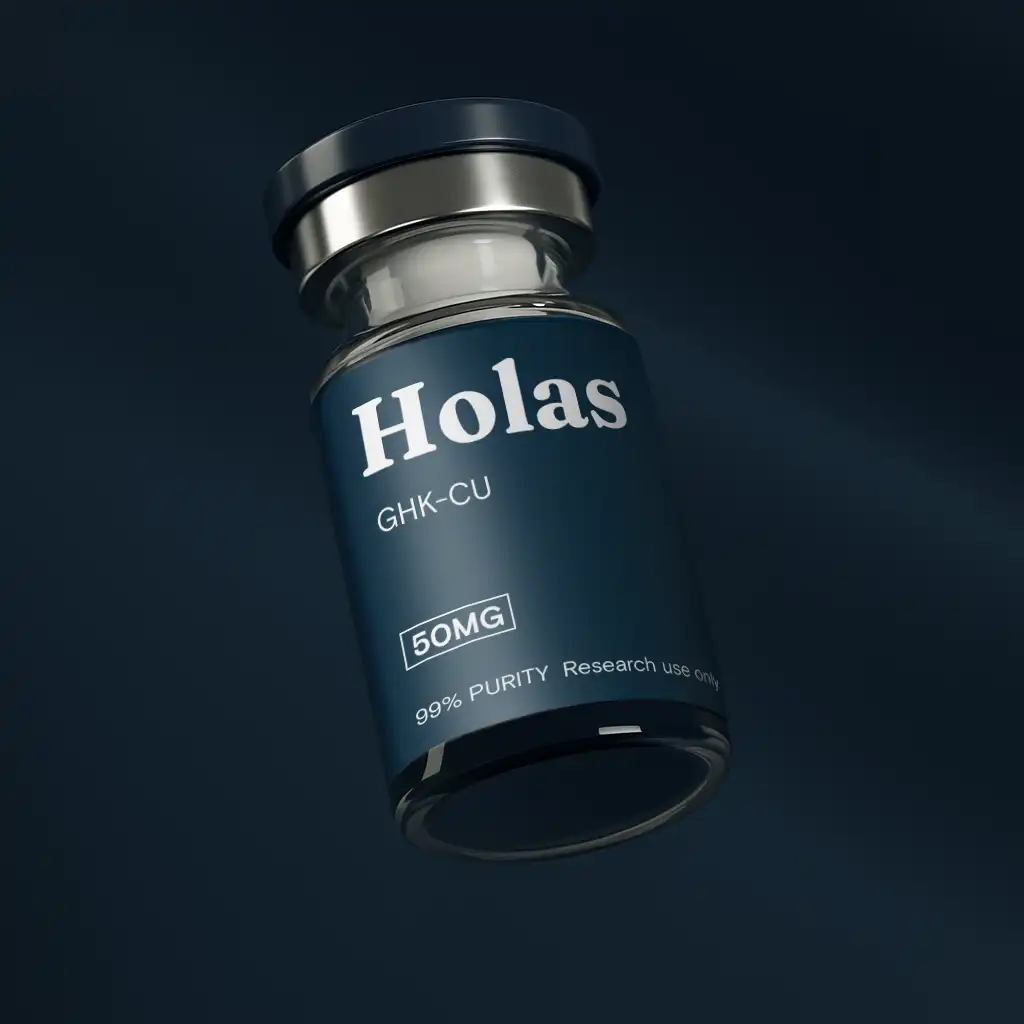
GHK-Cu
From $35.00
Peptide, Longevity / Cosmetic Peptides
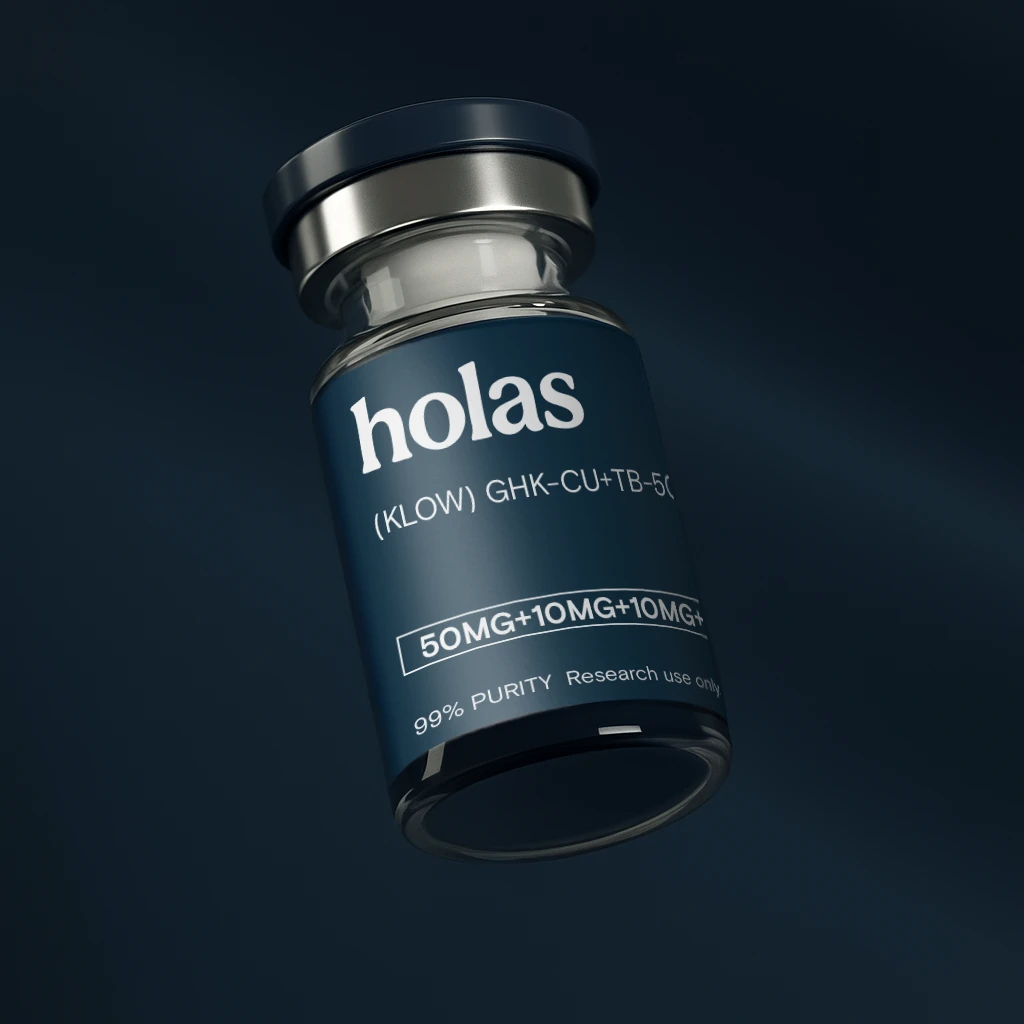
KLOW 80mg
$290.00 Original price was: $290.00.$203.00Current price is: $203.00.
Peptide, Longevity / Cosmetic Peptides, Performance Peptides
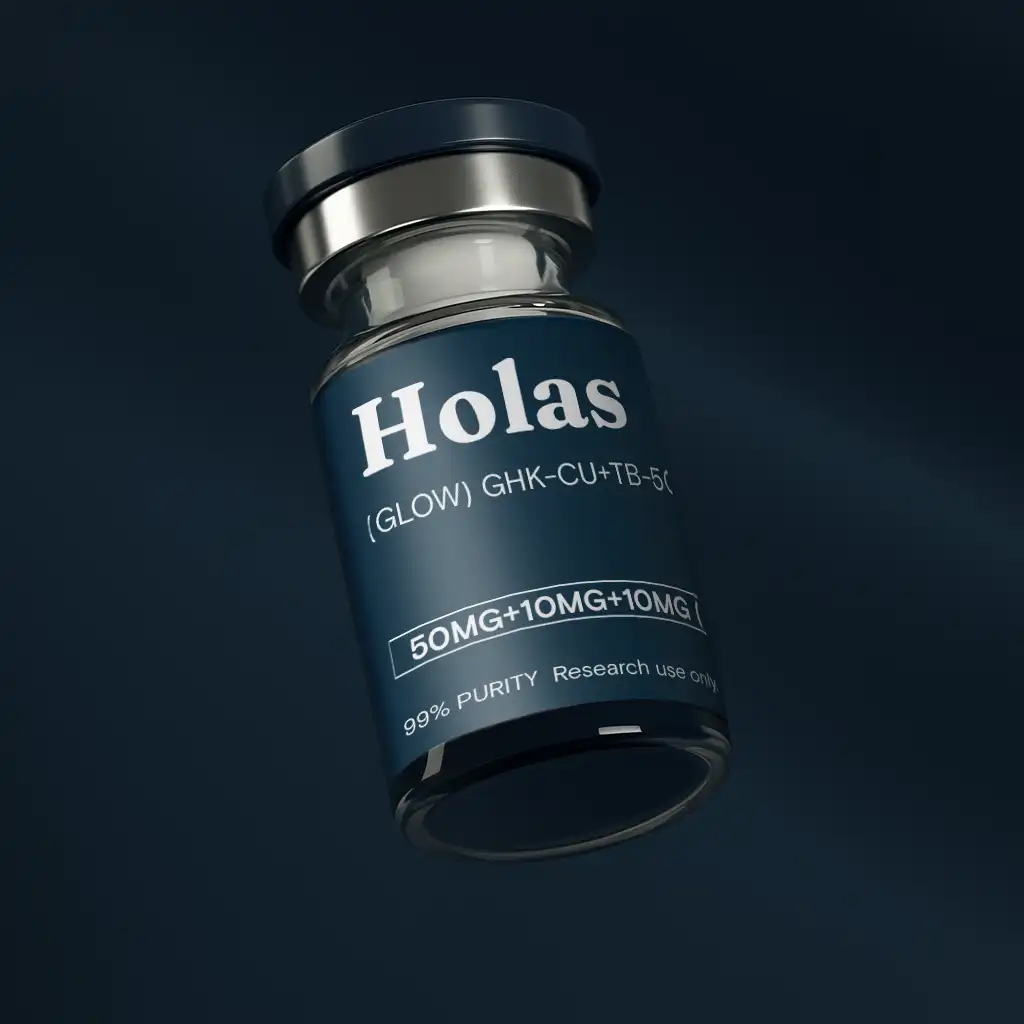
GLOW 70mg
$240.00 Original price was: $240.00.$168.00Current price is: $168.00.
RESEARCHER ACCESS
Create your account to enter.
Products are sold exclusively to qualified researchers and licensed laboratories. They are not drugs, foods or cosmetics, and are not for human or veterinary use. Create your researcher account once; we will remember you on this device.