
Step into the forefront of scientific discovery with Experimental Peptides—novel compounds used in early-stage research to investigate emerging biological mechanisms and unexplored physiological pathways. These peptides are typically in preclinical or exploratory phases, offering researchers a way to study new structures, novel receptor interactions, and potential biological effects before broader validation.
Explore New Biological Pathways
Experimental peptides are used to investigate previously uncharacterized mechanisms in metabolism, regeneration, signaling, and cellular communication.
Support Early-Stage Discovery Research
These compounds play a key role in identifying new peptide functions and potential applications in health and biological science.
Enable Hypothesis-Driven Studies
Researchers use experimental peptides to test new theories about how peptides may influence cellular and systemic processes.
High Innovation Potential
Many future therapeutic or research breakthroughs begin as experimental peptides in controlled laboratory settings.
Diverse Research Applications
From metabolic studies to tissue regeneration and molecular signaling, these peptides support a wide range of exploratory work.
1. Novel Molecular Structures
Often newly synthesized or modified, these peptides are designed to explore untested biological interactions.
2. Preclinical Research Focus
Typically studied in laboratory environments before any broader scientific or regulatory validation.
3. Uncharted Mechanistic Pathways
Used to investigate unknown or emerging receptor activity and cellular responses.
4. High Research Flexibility
Can be adapted into multiple experimental models depending on research objectives.
Cellular Signaling Research
Studying how cells communicate using newly identified peptide pathways.
Metabolic Function Studies
Investigating how novel peptides may influence energy balance and biochemical processes.
Regenerative Science
Exploring potential roles in tissue repair, healing, and cellular regeneration.
Neuroscience and Cognitive Research
Early investigation into how peptides may affect brain signaling and neurological function.
Strictly For Research Purposes
Experimental peptides are intended exclusively for laboratory and scientific research and are not approved for human use unless formally authorized.
Follow Controlled Research Protocols
Use standardized methodologies, proper documentation, and controlled environments to ensure valid and reproducible data.
Maintain Proper Storage and Handling
Due to their sensitivity and novelty, these peptides require strict temperature control and sterile handling practices.
1. What are experimental peptides?
They are newly developed or early-stage peptides used in scientific research to explore unknown or emerging biological functions.
2. Why are they considered experimental?
Because they have not yet undergone extensive validation or approval and are primarily studied in preclinical research settings.
3. What are they used for?
They are used to test new hypotheses in areas like metabolism, cellular signaling, regeneration, and neuroscience.
4. Are they safe for human use?
They are not approved for human use unless specifically authorized through regulatory pathways.
5. Why are they important in science?
They help drive innovation by uncovering new biological mechanisms and potential therapeutic directions.
Experimental Peptides represent the earliest stage of discovery in peptide science, offering a window into untested biological mechanisms and future possibilities. By enabling researchers to study novel pathways and interactions, these compounds help shape the next generation of scientific understanding and innovation.
Peptide, Recovery Peptides

BPC/TB500 Blend
From $70.00
Peptide, GLP Peptides

Retatrutide
From $63.00
Peptide, GLP Peptides, Performance Peptides
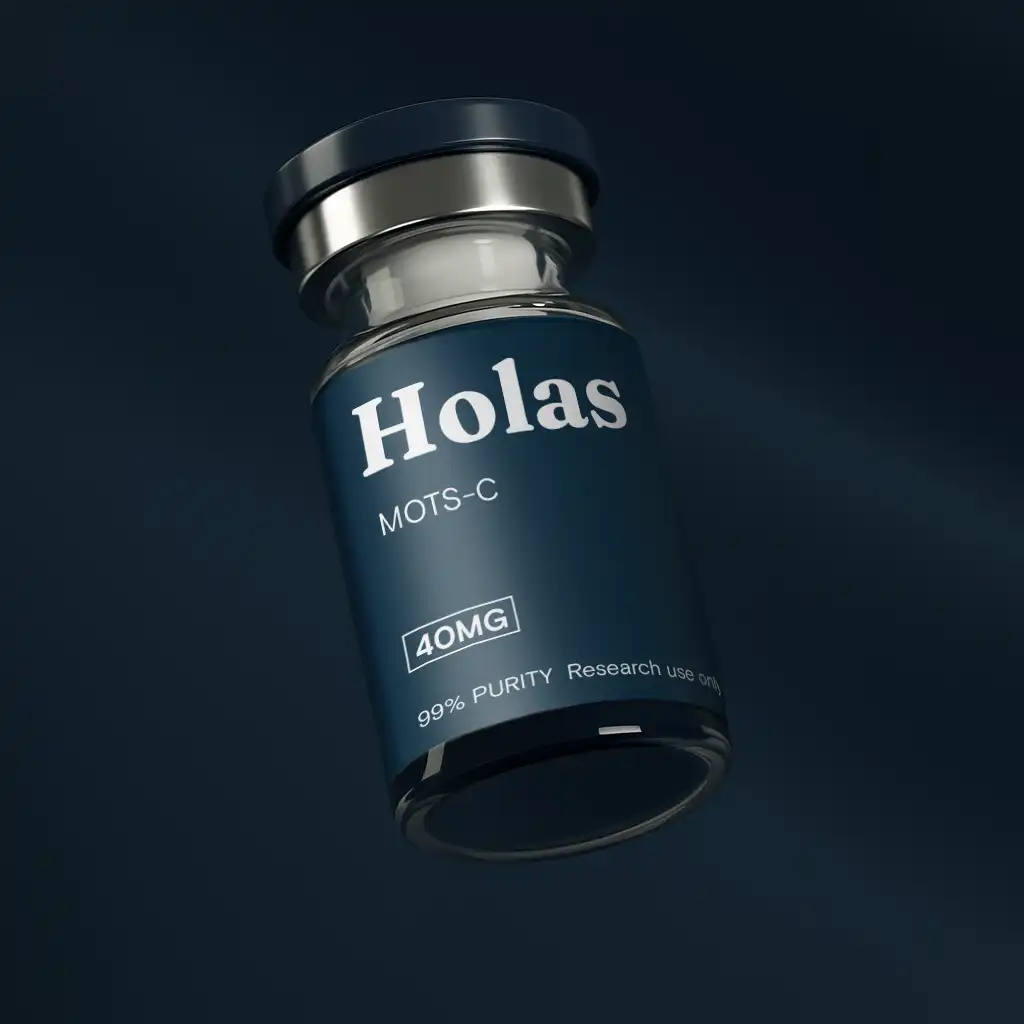
MOTS-C
From $56.00
Peptide, Longevity / Cosmetic Peptides

KLOW 80mg
$290.00 Original price was: $290.00.$203.00Current price is: $203.00.
Peptide, Longevity / Cosmetic Peptides, Performance Peptides

GLOW 70mg
$240.00 Original price was: $240.00.$168.00Current price is: $168.00.