
Explore the forefront of longevity science with Anti-Aging Research Peptides—specialized compounds studied for their role in supporting cellular repair, regeneration, and age-related biological processes. These peptides are widely used in research to better understand how the body maintains vitality over time, focusing on mechanisms such as cellular turnover, oxidative stress response, and tissue integrity.
Support Cellular Renewal Processes
Anti-aging peptides are studied for their ability to promote cell regeneration and repair, helping maintain healthy cellular function over time.
Investigate Longevity Pathways
These peptides are often explored for their role in pathways related to aging, including mitochondrial function, oxidative stress, and metabolic regulation.
Promote Tissue Integrity and Repair
By supporting collagen production and tissue remodeling, anti-aging peptides contribute to maintaining structural health across skin, muscles, and connective tissues.
Reduce Effects of Oxidative Stress
Many peptides are studied for their antioxidant-like effects, helping protect cells from damage associated with aging.
Enhance Overall Vitality Research
From energy levels to recovery capacity, anti-aging peptides are used to explore how the body sustains performance and resilience with age.
1. Cellular Regeneration Focus
These peptides target processes involved in cell turnover and repair, supporting healthier aging at the cellular level.
2. Mitochondrial and Energy Support
Some peptides are studied for improving mitochondrial efficiency, which is essential for maintaining energy production as the body ages.
3. Collagen and Structural Support
They may influence collagen synthesis and tissue remodeling, helping maintain strength and elasticity.
4. Multi-System Impact
Anti-aging peptides can affect multiple systems, including metabolic, immune, and neurological pathways.
Longevity and Lifespan Studies
Investigating how peptides influence aging processes and long-term health outcomes.
Skin and Tissue Regeneration
Exploring improvements in skin elasticity, repair, and overall tissue health.
Metabolic and Energy Function
Studying how aging affects metabolism and how peptides may support energy balance.
Cognitive and Neurological Health
Examining how cellular health impacts brain function and cognitive performance over time.
For Research Purposes Only
Anti-aging research peptides are typically intended for laboratory and scientific use, not for direct human consumption unless approved under proper regulatory guidelines.
Maintain Proper Handling and Storage
Peptides should be stored and handled under controlled conditions to preserve stability and effectiveness.
Follow Standard Research Protocols
Accurate documentation, controlled environments, and consistent methodologies are essential for reliable and reproducible results.
1. What are anti-aging research peptides?
They are peptides studied for their potential to influence biological processes related to aging, including cellular repair and longevity pathways.
2. How do they work?
They interact with specific cellular receptors and signaling pathways involved in regeneration, metabolism, and stress response.
3. What are they used to study?
They are commonly used in research focused on longevity, tissue repair, metabolic health, and cognitive function.
4. Are they naturally occurring?
Some are derived from naturally occurring peptides, while others are synthetically developed to enhance stability and function.
5. Why are they important in research?
They provide targeted insights into how aging occurs at the cellular level and how it may be influenced.
Anti-Aging Research Peptides offer a cutting-edge approach to studying how the body ages and adapts over time. By targeting cellular repair, energy production, and protective mechanisms, these peptides help researchers uncover new insights into longevity, resilience, and overall vitality—driving innovation in the science of healthy aging.
Peptide

CJC1295 without DAC
$100.00 Original price was: $100.00.$70.00Current price is: $70.00.
Peptide

GHK-Cu
From $35.00
Peptide

Ipamorelin
From $28.00
Peptide
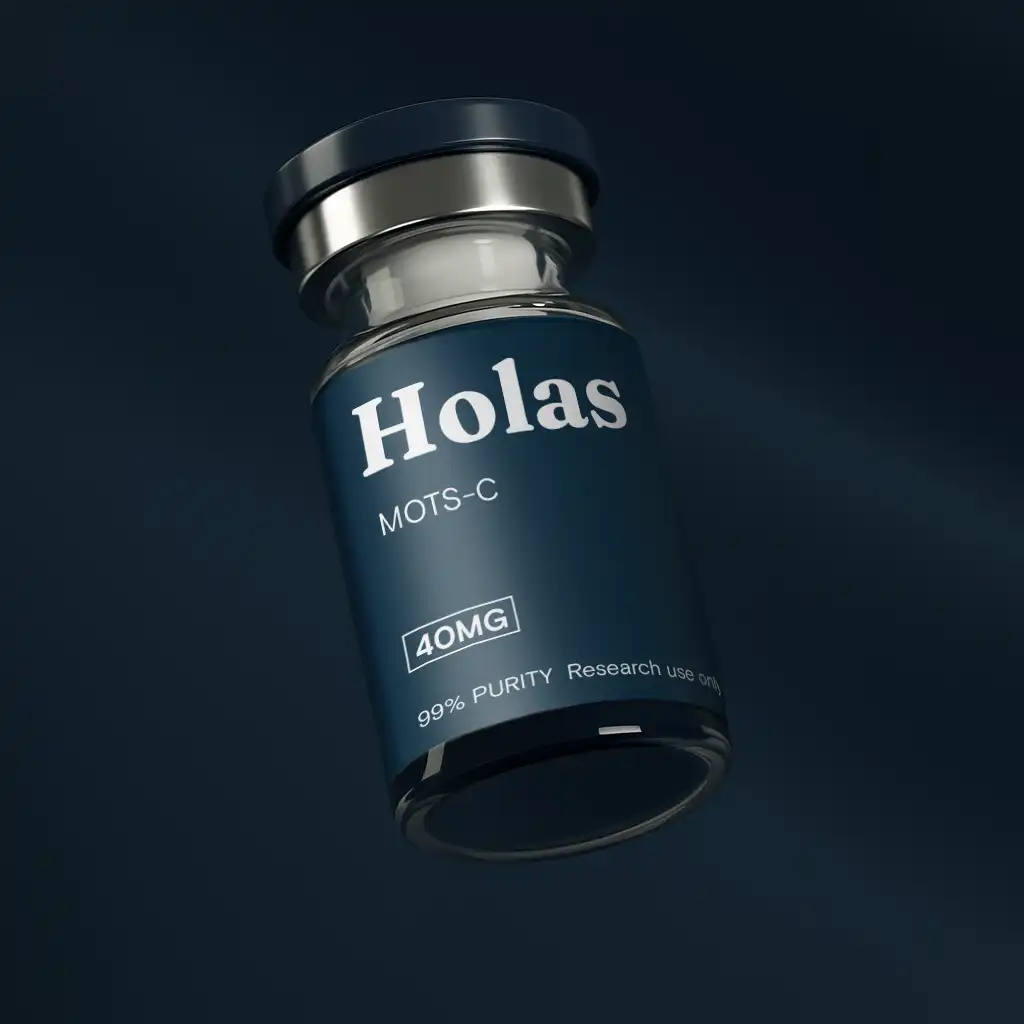
MOTS-C
From $56.00
Peptide

NAD+
From $84.00
Peptide

Sermorelin
From $35.00